Do Freelancers Need to Register for VAT in Nigeria?
Tax & Compliance Series
This guide is part of a comprehensive series. Explore all 202 topics:
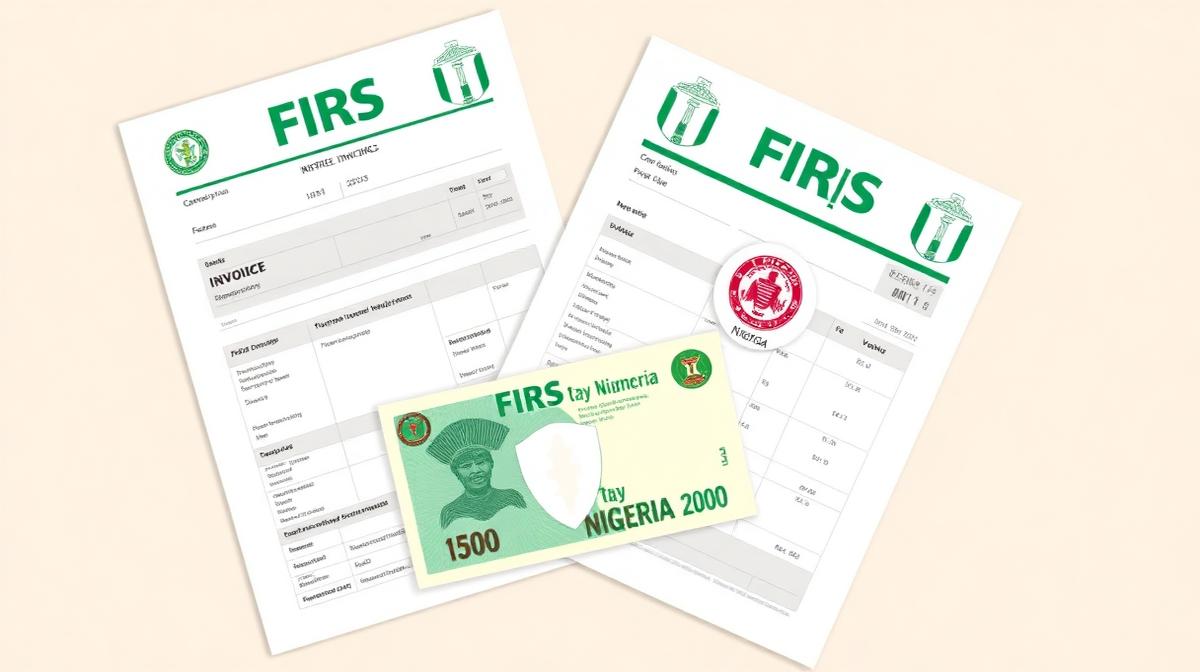
As a freelancer in Nigeria, understanding your VAT obligations is critical. Whether you're just starting out or scaling your freelance business, knowing when and how to register for VAT with the Federal Inland Revenue Service (FIRS) can save you from penalties and help you reclaim tax on business expenses.
When Must You Register?
In Nigeria, VAT registration is mandatory when your taxable turnover exceeds ₦25 million annual turnover. This includes all taxable goods and services you supply, not just your profit.
In Nigeria, VAT registration is mandatory when your taxable turnover exceeds ₦25 million annual turnover. This includes all taxable goods and services you supply, not just your profit.
If you're below the threshold, registration is optional — but there are good reasons to consider voluntary registration.
Benefits of Voluntary Registration
Benefits of Voluntary Registration includes: Reclaim input VAT: Claim back VAT on business purchases like equipment, software, and office supplies Professional credibility: VAT-registered businesses appear more established to clients
- Reclaim input VAT: Claim back VAT on business purchases like equipment, software, and office supplies
- Professional credibility: VAT-registered businesses appear more established to clients
- B2B advantage: VAT-registered clients can claim input credits on your invoices
- Future-proofing: Avoid scrambling to register when you hit the threshold
Drawbacks of Early Registration
Drawbacks of Early Registration includes: Administrative burden of VAT returns monthly, by the 21st of the following month Your prices effectively increase by 7.
- Administrative burden of VAT returns monthly, by the 21st of the following month
- Your prices effectively increase by 7.5% for non-VAT-registered clients
- Record-keeping obligations for 6 years
How to Register
Register with FIRS through their online portal at https://firs. gov.
Register with FIRS through their online portal at https://firs.gov.ng. You'll need:
- Your Tax Identification Number (TIN)
- Proof of business activity (contracts, invoices)
- Bank account details
- Estimated turnover information
Your Obligations Once Registered
Your Obligations Once Registered includes: Charge VAT at 7.
- Charge VAT at 7.5% on all taxable supplies
- Issue VAT-compliant invoices
- File VAT returns monthly, by the 21st of the following month
- Remit collected VAT to FIRS
- Maintain records for 6 years
Common Mistakes Freelancers Make
Common Mistakes Freelancers Make includes: Not registering when turnover exceeds the threshold Confusing revenue with profit for threshold calculations
- Not registering when turnover exceeds the threshold
- Confusing revenue with profit for threshold calculations
- Forgetting to charge VAT on digital services
- Not keeping proper records of input VAT claims
How Invoicemonk Helps
Invoicemonk for freelancers automatically calculates VAT, generates compliant invoices, and tracks your turnover against the registration threshold. Pro starts at $15/month and scales with you.
Invoicemonk for freelancers automatically calculates VAT, generates compliant invoices, and tracks your turnover against the registration threshold. Pro starts at $15/month and scales with you.
More in this series (202 articles)
From this series
Stay audit-ready and compliant with tax regulations across different regions.
Related Topics
Digital Marketing, SEO Specialist, Content Creator & Product Professional
Olayinka is a digital marketer, content creator, growth and SEO specialist with 10+ years helping businesses in Nigeria, the UK, the US, Australia, and Dubai achieve their goals online.