Reverse Charge VAT in Germany: When and How to Apply It on Invoices
Tax & Compliance Series
This guide is part of a comprehensive series. Explore all 202 topics:
What Is the Reverse Charge Mechanism?
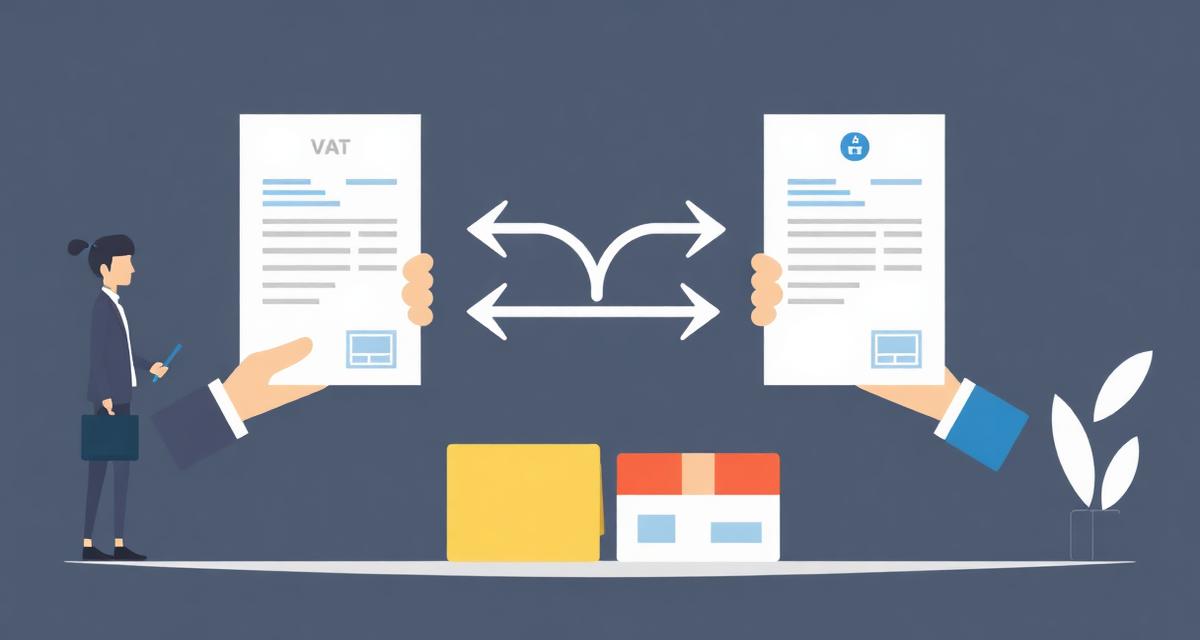
Under the standard VAT system, the seller charges VAT on their invoice and remits it to the tax office. The reverse charge mechanism flips this: the buyer is responsible for calculating and paying the VAT directly to the Finanzamt, while the seller issues an invoice without VAT.
Under the standard VAT system, the seller charges VAT on their invoice and remits it to the tax office. The reverse charge mechanism flips this: the buyer is responsible for calculating and paying the VAT directly to the Finanzamt, while the seller issues an invoice without VAT.
In Germany, the reverse charge (Steuerschuldnerschaft des Leistungsempfängers) is governed by §13b UStG. It applies in specific cross-border and domestic scenarios to prevent VAT fraud and simplify compliance.
When Does Reverse Charge Apply?
Cross-Border B2B Services (Most Common)
When a business in another EU country provides services to a German business, the reverse charge applies automatically under the general B2B place-of-supply rule (§3a Abs. 2 UStG). The German buyer self-assesses VAT at 19% (or 7% for reduced-rate items) and reports it in their VAT return.
Examples:
- A French design agency invoices a German company for branding work → reverse charge
- An Irish SaaS company invoices a German business for software → reverse charge
- A Polish developer invoices a German startup for web development → reverse charge
Domestic Reverse Charge Sectors
Germany also mandates reverse charge for specific domestic transactions under §13b Abs. 2 UStG:
- Construction services (Bauleistungen) — when provided to another construction business (§13b Abs. 2 Nr. 4)
- Building cleaning (Gebäudereinigung) — when provided to another cleaning business (§13b Abs. 2 Nr. 8)
- Scrap metal and waste — transactions in certain raw materials (§13b Abs. 2 Nr. 7)
- Carbon emission certificates — trading in EU ETS allowances (§13b Abs. 2 Nr. 6)
- Mobile phones and tablets — when sold above €5,000 net per transaction (§13b Abs. 2 Nr. 10)
- Gold — unprocessed gold or gold with a purity of 325/1000 or more
How to Invoice with Reverse Charge
When issuing a reverse charge invoice, you must:
When issuing a reverse charge invoice, you must:
- Show no VAT — the invoice amount is the net amount only. Do not display a VAT rate or VAT amount.
- Include a mandatory note: "Steuerschuldnerschaft des Leistungsempfängers" or "Reverse Charge — VAT to be accounted for by the recipient"
- Display your USt-IdNr. (VAT ID) and the buyer's USt-IdNr. for cross-border transactions
- Include all standard §14 UStG fields — invoice number, date, descriptions, amounts, delivery date
Using invoicing software with reverse charge support automates the correct note placement and ensures no VAT is accidentally calculated.
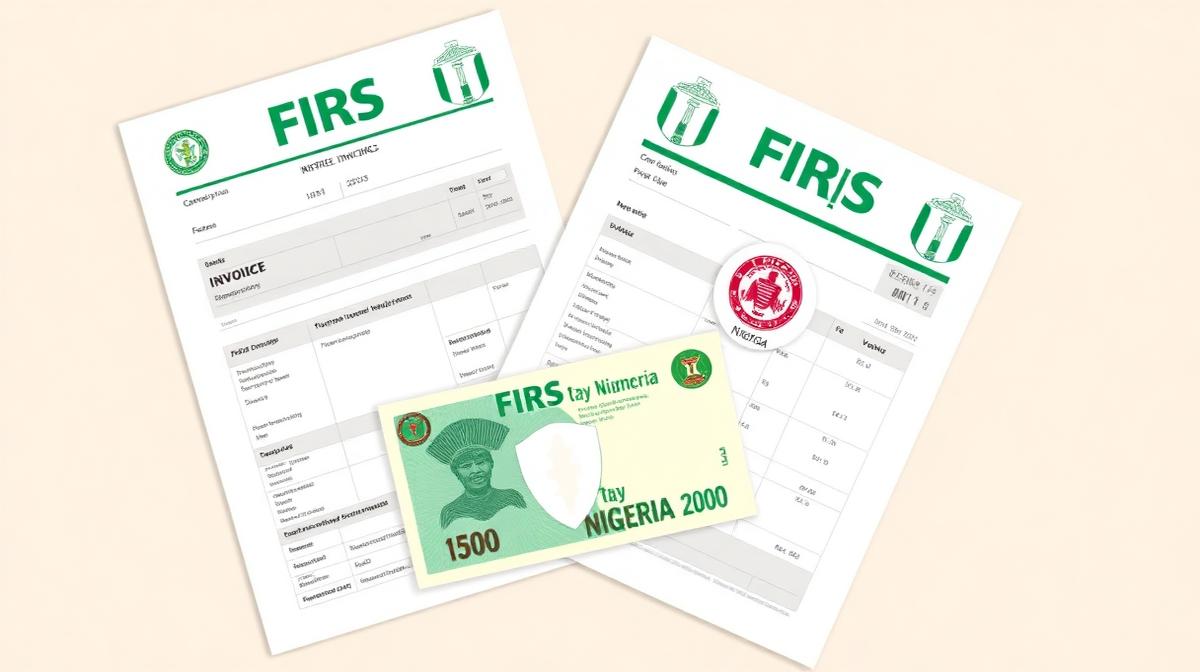
Reverse Charge Invoice Example
Here's what changes compared to a standard invoice:
Here's what changes compared to a standard invoice:
| Field | Standard Invoice | Reverse Charge Invoice |
|---|---|---|
| VAT Rate | 19% | Not shown |
| VAT Amount | €190.00 | Not shown |
| Total | €1,190.00 | €1,000.00 (net only) |
| Special note | None | "Steuerschuldnerschaft des Leistungsempfängers" |
| Buyer VAT ID | Optional | Required (cross-border) |
Buyer's Obligations Under Reverse Charge
As the buyer receiving a reverse charge invoice, you must:
As the buyer receiving a reverse charge invoice, you must:
- Self-assess VAT — calculate 19% (or 7%) on the net amount and report it in your Umsatzsteuervoranmeldung (preliminary VAT return)
- Claim input VAT deduction — in the same VAT return, deduct the same amount as input tax (Vorsteuer), resulting in a net-zero VAT effect
- Report in the correct fields — reverse charge amounts go in specific lines of the VAT return (currently lines 46-47 for EU cross-border services)
- File Zusammenfassende Meldung (ZM) — for cross-border transactions, report in the EC Sales List
Common Reverse Charge Mistakes
Common Reverse Charge Mistakes includes: Charging VAT when reverse charge applies — if you charge VAT on a transaction that should be reverse charge, the buyer cannot deduct it, and you still owe it to the Finanzamt Missing the mandatory note — without the "Steuerschuldnerschaft des Leistungsempfängers" note, the…
- Charging VAT when reverse charge applies — if you charge VAT on a transaction that should be reverse charge, the buyer cannot deduct it, and you still owe it to the Finanzamt
- Missing the mandatory note — without the "Steuerschuldnerschaft des Leistungsempfängers" note, the invoice is non-compliant and may be rejected by the buyer's tax advisor
- Applying reverse charge to B2C — reverse charge generally only applies to B2B transactions. If your client is a private individual, you charge VAT normally
- Forgetting the ZM filing — for cross-border reverse charge services, you must file a Zusammenfassende Meldung quarterly (or monthly if above threshold)
Reverse Charge and E-Invoicing
With Germany's 2025 e-invoicing obligation, reverse charge invoices must also be transmitted as structured e-invoices (ZUGFeRD or XRechnung). The XML format has specific fields for indicating reverse charge status — your invoicing software should handle this automatically.
With Germany's 2025 e-invoicing obligation, reverse charge invoices must also be transmitted as structured e-invoices (ZUGFeRD or XRechnung). The XML format has specific fields for indicating reverse charge status — your invoicing software should handle this automatically.
In ZUGFeRD, the tax category code "AE" indicates reverse charge. In XRechnung, the same code is used in the tax breakdown section.
More in this series (202 articles)
From this series
Stay audit-ready and compliant with tax regulations across different regions.
Related Topics
Digital Marketing, SEO Specialist, Content Creator & Product Professional
Olayinka is a digital marketer, content creator, growth and SEO specialist with 10+ years helping businesses in Nigeria, the UK, the US, Australia, and Dubai achieve their goals online.