FIRS Merchant Buyer Solution (FIRSMBS): How It Works and What to Do
Tax & Compliance Series
This guide is part of a comprehensive series. Explore all 202 topics:
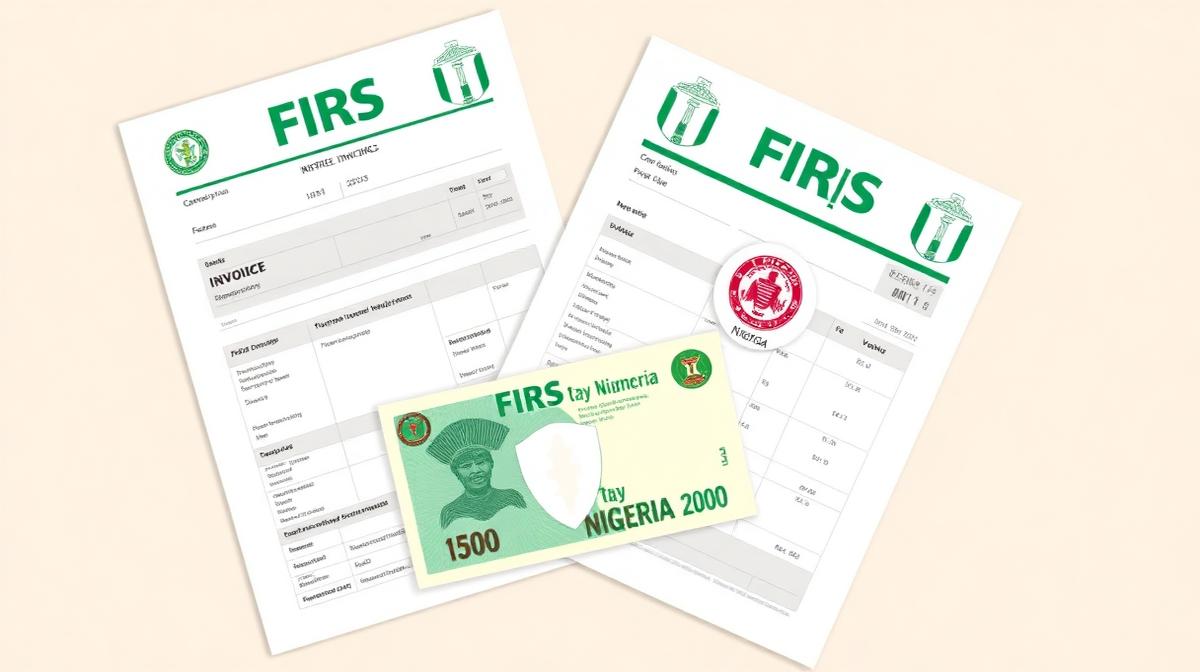
The FIRS Merchant Buyer Solution (FIRSMBS) is the backbone of Nigeria's e-invoicing infrastructure. It's the system that connects sellers and buyers through electronic invoice data, allowing the Federal Inland Revenue Service to verify transactions in real time and close the VAT gap.
If you're a Nigerian business owner, understanding FIRSMBS isn't optional — it's the mechanism through which your invoices are validated, your VAT input credits are confirmed, and your compliance status is determined.
How FIRSMBS Works
Think of FIRSMBS as a three-way handshake between the seller, the buyer, and FIRS:
Think of FIRSMBS as a three-way handshake between the seller, the buyer, and FIRS:
- Seller generates an e-invoice with an Invoice Reference Number (IRN) and QR code using compliant software
- Invoice data is transmitted to FIRS through the TaxPro-Max platform
- Buyer receives the invoice and their system validates it against their purchase records
- FIRS cross-references both records — matching the seller's output VAT with the buyer's input VAT claim
This matching system means:
- No more phantom invoices — you can't claim VAT input credit on invoices that the seller didn't report
- Automatic discrepancy detection — mismatches between seller and buyer data trigger FIRS alerts
- Faster VAT refunds — verified invoices speed up the refund process
- Reduced audit burden — compliant businesses face fewer manual FIRS audits
What Your Business Needs to Do
As a seller (issuing invoices)
- Use invoicing software that generates IRN and QR codes
- Include both your TIN and the buyer's TIN on every B2B invoice
- Ensure your VAT calculations at 7.5% are accurate
- Transmit invoice data to TaxPro-Max within the required timeframe
As a buyer (receiving invoices)
- Verify that received invoices contain valid IRN and QR codes
- Cross-check the seller's TIN on the FIRS verification portal
- Only claim VAT input credit on invoices that pass FIRSMBS validation
- Reject and request corrections for non-compliant invoices
FIRSMBS and Your Invoicing Software
The right invoicing software handles most FIRSMBS requirements automatically. Invoicemonk generates all mandatory fields — IRN, QR code, TIN fields, and VAT breakdown — so you don't need to manually construct compliant invoices.
The right invoicing software handles most FIRSMBS requirements automatically. Invoicemonk generates all mandatory fields — IRN, QR code, TIN fields, and VAT breakdown — so you don't need to manually construct compliant invoices.
For the full picture of Nigeria's e-invoicing requirements, see our complete FIRS e-invoicing guide.
Key Takeaways
Key Takeaways includes: FIRSMBS matches seller and buyer invoice data to verify VAT compliance Non-matching invoices can result in denied VAT input credits for buyers
- FIRSMBS matches seller and buyer invoice data to verify VAT compliance
- Non-matching invoices can result in denied VAT input credits for buyers
- Both sellers and buyers have responsibilities under the system
- Compliant invoicing software like Invoicemonk automates the technical requirements
- Early adoption means smoother compliance when enforcement reaches your business tier
More in this series (202 articles)
From this series
Stay audit-ready and compliant with tax regulations across different regions.
Related Topics
Digital Marketing, SEO Specialist, Content Creator & Product Professional
Olayinka is a digital marketer, content creator, growth and SEO specialist with 10+ years helping businesses in Nigeria, the UK, the US, Australia, and Dubai achieve their goals online.