VAT Invoice Format in United Kingdom: Complete Guide for Small Businesses
Tax & Compliance Series
This guide is part of a comprehensive series. Explore all 202 topics:
Getting the VAT invoice format right in United Kingdom is essential for compliance with HM Revenue & Customs (HMRC). An incorrectly formatted invoice can mean your clients can't claim input tax credits, and your business faces penalties during audits.
This guide explains the exact format requirements, walks through a calculation example, and shows you how to set up compliant invoices in minutes.
What Is a VAT Invoice?
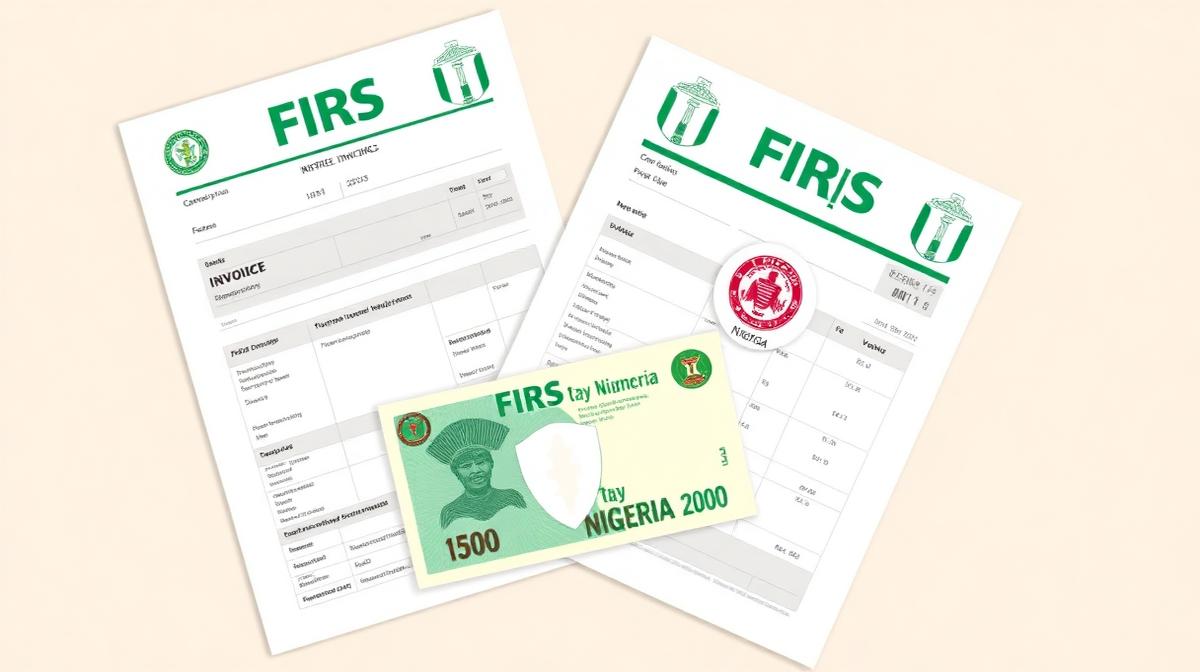
A VAT invoice is a formal document that shows the VAT charged on a sale. It serves as proof of the transaction for both seller and buyer, and enables VAT-registered buyers to claim input tax credits from HMRC.
A VAT invoice is a formal document that shows the VAT charged on a sale. It serves as proof of the transaction for both seller and buyer, and enables VAT-registered buyers to claim input tax credits from HMRC.
Required Fields on a VAT Invoice
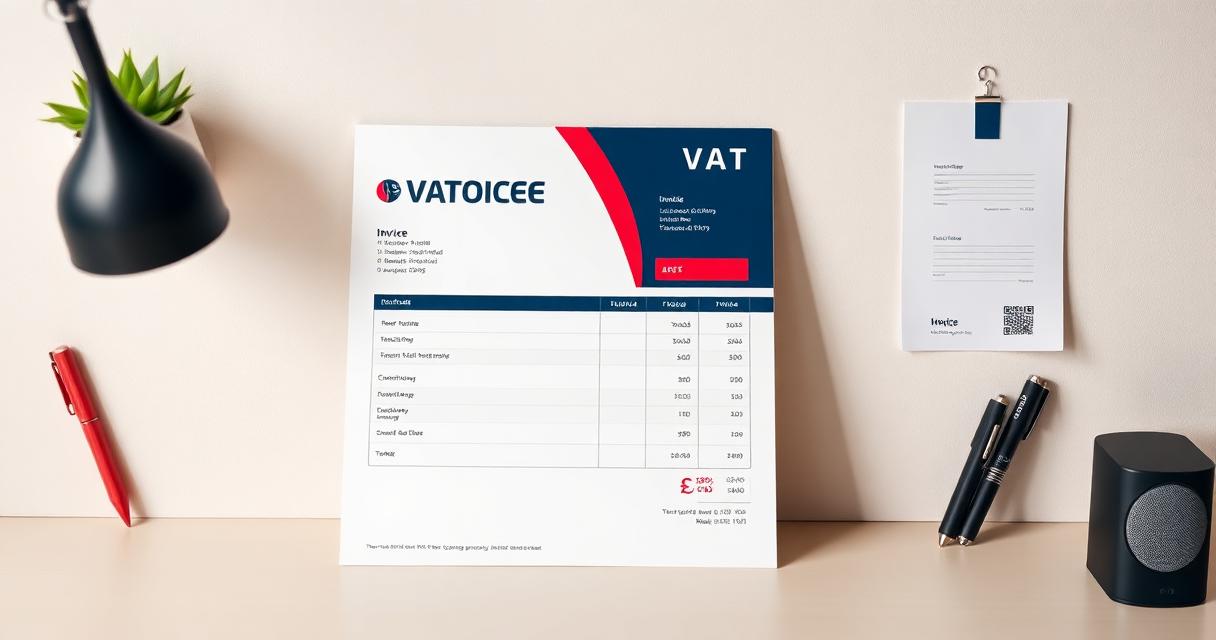
Every VAT invoice in United Kingdom must clearly display:
Every VAT invoice in United Kingdom must clearly display:
- The words "Tax Invoice" prominently displayed
- Seller's business name, address, and UTR
- Buyer's name, address, and UTR (for B2B)
- Invoice number (unique and sequential)
- Invoice date and tax point
- Line-item descriptions with quantities and unit prices
- Subtotal before VAT
- VAT rate applied: 20% (standard), 5% (reduced), 0% (zero-rated)
- VAT amount
- Total payable including VAT
VAT Calculation Example
For a service worth £10,000 in United Kingdom:
For a service worth £10,000 in United Kingdom:
- Subtotal: £10,000
- VAT (20% (standard), 5% (reduced), 0% (zero-rated)): calculated on the subtotal
- Total: subtotal + VAT
Always show the VAT as a separate line item — never bundle it into the price without disclosure.
Common Format Mistakes
Common Format Mistakes includes: Missing "UTR" — makes the invoice invalid for input credits Not labelling the document as "Tax Invoice"
- Missing "UTR" — makes the invoice invalid for input credits
- Not labelling the document as "Tax Invoice"
- Using old VAT rates
- Bundling VAT into prices without a clear breakdown
- Non-sequential or duplicated invoice numbers
Free Templates for British Businesses
Invoicemonk's invoice generator provides pre-built templates with all HMRC-required fields. Select your country, add your UTR, and the platform handles VAT calculations automatically.
Invoicemonk's invoice generator provides pre-built templates with all HMRC-required fields. Select your country, add your UTR, and the platform handles VAT calculations automatically.
Digital vs Paper Invoices
HMRC accepts digital invoices provided they contain all mandatory elements and can be produced for audit. The UK supports Peppol e-invoicing and has implemented Making Tax Digital (MTD), requiring digital record keeping and quarterly digital VAT returns for all VAT-registered businesses.
HMRC accepts digital invoices provided they contain all mandatory elements and can be produced for audit. The UK supports Peppol e-invoicing and has implemented Making Tax Digital (MTD), requiring digital record keeping and quarterly digital VAT returns for all VAT-registered businesses.
Using invoicing software ensures consistency and reduces errors compared to manual formatting.
More in this series (202 articles)
From this series
Stay audit-ready and compliant with tax regulations across different regions.
Related Topics
Digital Marketing, SEO Specialist, Content Creator & Product Professional
Olayinka is a digital marketer, content creator, growth and SEO specialist with 10+ years helping businesses in Nigeria, the UK, the US, Australia, and Dubai achieve their goals online.