How to Issue a Tax-Compliant Invoice in United Kingdom: HMRC Requirements
Tax & Compliance Series
This guide is part of a comprehensive series. Explore all 202 topics:
Issuing a tax-compliant invoice in United Kingdom isn't just good practice — it's a legal requirement. The HM Revenue & Customs (HMRC) sets strict rules about what every invoice must contain, how VAT should be calculated, and how long records must be retained.
Whether you're a freelancer, small business owner, or running a growing company, this guide covers everything you need to create invoices that satisfy HMRC requirements and keep your business audit-ready.
Why Invoice Compliance Matters in United Kingdom
A compliant invoice does more than request payment — it creates a legal record that protects both you and your client. HMRC uses invoices to verify tax declarations, track VAT collections, and identify non-compliant businesses.
A compliant invoice does more than request payment — it creates a legal record that protects both you and your client. HMRC uses invoices to verify tax declarations, track VAT collections, and identify non-compliant businesses.
Non-compliant invoices can lead to:
- Rejected tax deductions for your clients (they can't claim input VAT)
- Penalties and interest from HMRC
- Failed audits and additional scrutiny
- Damaged business reputation and client trust
Mandatory Invoice Elements
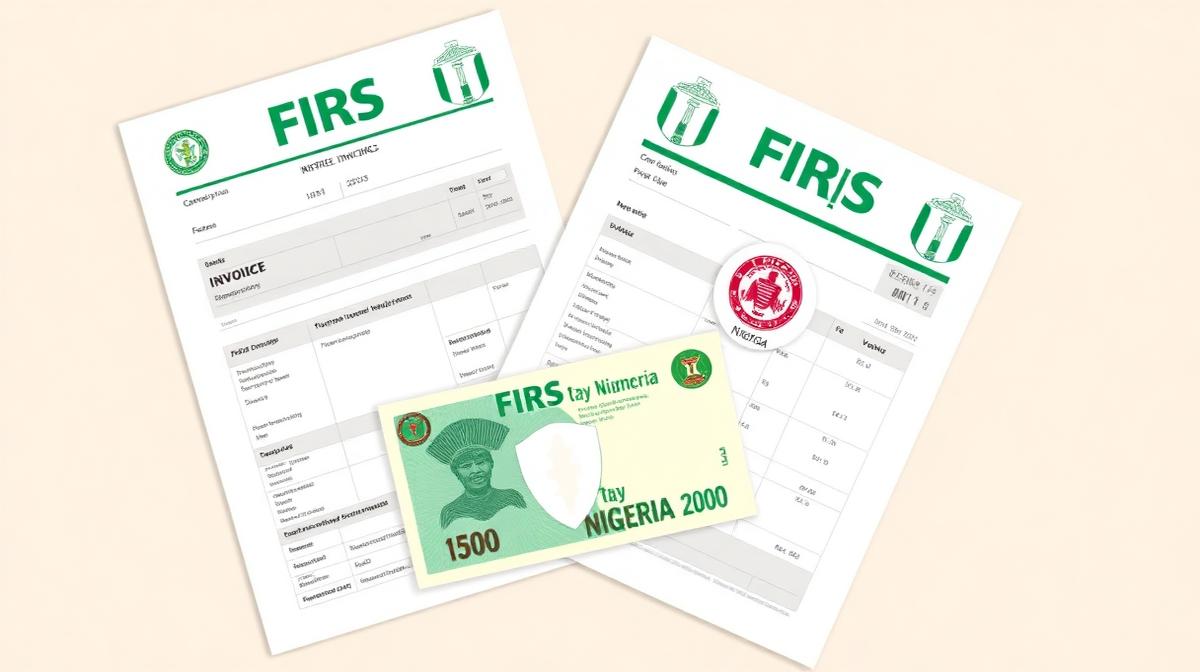
Every tax-compliant invoice in United Kingdom must include the following elements:
Every tax-compliant invoice in United Kingdom must include the following elements:
- Your business name and address — as registered with HMRC
- Unique Taxpayer Reference (UTR) — your unique identifier issued by HMRC
- Client's name and address — and their UTR for B2B transactions
- Unique invoice number — sequential, without gaps or duplicates
- Invoice date — the date of issue
- Description of goods or services — clear and specific
- Quantity and unit price — for each line item
- Subtotal — amount before VAT
- VAT amount — calculated at 20% (standard), 5% (reduced), 0% (zero-rated)
- Total amount payable — including VAT
VAT Registration Requirements
In United Kingdom, you must register for VAT if your taxable turnover exceeds £90,000 annual taxable turnover.
In United Kingdom, you must register for VAT if your taxable turnover exceeds £90,000 annual taxable turnover. Once registered, you are required to:
- Charge VAT at the correct rate (20% (standard), 5% (reduced), 0% (zero-rated)) on all taxable supplies
- Issue VAT-compliant invoices for every transaction
- File VAT returns quarterly via Making Tax Digital (MTD)
- Remit collected VAT to HMRC
- Maintain records for at least 6 years
Record Keeping and Retention
HMRC requires businesses to retain all invoices, receipts, contracts, and financial records for a minimum of 6 years. Digital records are accepted — using invoicing software ensures your records are organised, searchable, and audit-ready.
HMRC requires businesses to retain all invoices, receipts, contracts, and financial records for a minimum of 6 years. Digital records are accepted — using invoicing software ensures your records are organised, searchable, and audit-ready.
E-Invoicing Status
The UK supports Peppol e-invoicing and has implemented Making Tax Digital (MTD), requiring digital record keeping and quarterly digital VAT returns for all VAT-registered businesses.
The UK supports Peppol e-invoicing and has implemented Making Tax Digital (MTD), requiring digital record keeping and quarterly digital VAT returns for all VAT-registered businesses.
Penalties for Non-Compliance
Late registration: up to 100% of VAT owed. Late filing: £200 default surcharge escalating with repeated defaults.
Late registration: up to 100% of VAT owed. Late filing: £200 default surcharge escalating with repeated defaults. Late payment: interest plus surcharges.
Payment Methods for British Businesses
To get paid faster, offer your clients multiple payment options. Popular methods in United Kingdom include bank transfer (BACS/Faster Payments), credit/debit cards, PayPal, and GoCardless.
To get paid faster, offer your clients multiple payment options. Popular methods in United Kingdom include bank transfer (BACS/Faster Payments), credit/debit cards, PayPal, and GoCardless. Including payment links directly on your invoices reduces friction and speeds up collection.
How Invoicemonk Helps
Invoicemonk is built for British businesses. Our platform automatically includes all HMRC-required invoice elements, calculates VAT at the correct rate, generates sequential invoice numbers, and stores records securely for the required 6 years.
Invoicemonk is built for British businesses. Our platform automatically includes all HMRC-required invoice elements, calculates VAT at the correct rate, generates sequential invoice numbers, and stores records securely for the required 6 years.
More in this series (202 articles)
From this series
Stay audit-ready and compliant with tax regulations across different regions.
Related Topics
Digital Marketing, SEO Specialist, Content Creator & Product Professional
Olayinka is a digital marketer, content creator, growth and SEO specialist with 10+ years helping businesses in Nigeria, the UK, the US, Australia, and Dubai achieve their goals online.