Albania E-Invoicing for Foreign Companies: Fiskalizimi Requirements
Tax & Compliance Series
This guide is part of a comprehensive series. Explore all 202 topics:
Learn how foreign entities must navigate Albania's Fiskalizimi system to maintain VAT compliance and avoid penalties reached up to ALL 500,000. This guide gives the answer first, then explains mandate scope, required invoice data, technical format, penalties, official authority context, and practical compliance steps for businesses preparing or reviewing their local e-invoicing workflow.
Does Your Foreign Business Need to Comply with Albania's E-Invoicing?
Yes, any foreign company registered for VAT in Albania must comply with the Fiskalizimi (Fiscalization) system managed by the Drejtoria e Përgjithshme e Tatimeve (DPT).
Yes, any foreign company registered for VAT in Albania must comply with the Fiskalizimi (Fiscalization) system managed by the Drejtoria e Përgjithshme e Tatimeve (DPT). The mandate began on January 1, 2021 for B2G transactions, followed by B2B on July 1, 2021, and B2C on September 1, 2021. Non-compliance results in heavy penalties ranging from ALL 100,000 to ALL 500,000 (~€850-€4,250) per violation and potential business suspension.
What is the Fiskalizimi System?
the Fiskalizimi System is fiskalizimi is Albania's real-time electronic invoicing and reporting framework.
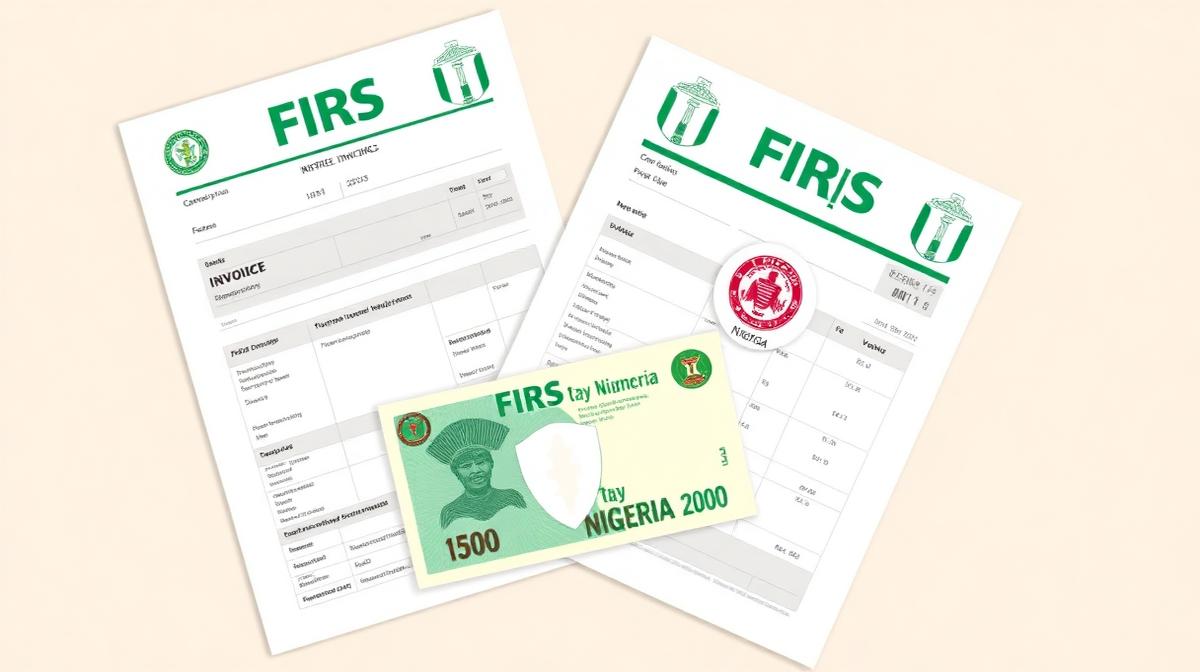
Fiskalizimi is Albania's real-time electronic invoicing and reporting framework. Unlike traditional post-audit systems, the Albanian model requires every invoice to be authorized by the DPT servers in real-time before it can be issued to the customer. This ensures that the General Directorate of Taxation has a digital record of every transaction, significantly reducing tax evasion and improving TVSH (Tatimi mbi Vlerën e Shtuar) collection.
For foreign entities, this means that even if your headquarters are located outside Albania, your Albanian branch or VAT-registered representative must utilize certified invoicing software capable of communicating with the Self-Care portal and the Central Invoice Platform (CIS).
What are the Mandatory Compliance Dates and Deadlines?
Albania implemented its e-invoicing rollout in three distinct phases. While all deadlines have now passed, new foreign companies entering the market must be compliant from day one of their registration.
Albania implemented its e-invoicing rollout in three distinct phases. While all deadlines have now passed, new foreign companies entering the market must be compliant from day one of their registration. The historical milestones were:
- January 1, 2021: Mandatory e-invoicing for Business-to-Government (B2G) transactions.
- July 1, 2021: Mandatory e-invoicing for non-cash Business-to-Business (B2B) transactions.
- September 1, 2021: Mandatory e-invoicing for cash Business-to-Consumer (B2C) transactions and all other remaining categories.
Who is Required to Register?
Compliance is required for all entities registered for VAT in Albania.
Compliance is required for all entities registered for VAT in Albania. Specifically, those with an annual turnover exceeding ALL 10,000,000 (~€85,000) are subject to the full breadth of the law, though smaller entities are also required to fiscalize their invoices if they are registered for TVSH. Foreign businesses should verify their status via the official General Directorate of Taxation (DPT) website.
The Technical Requirements for Foreign Entities
Foreign companies operating in Albania face unique technical challenges. To achieve compliance, a business needs more than just a PDF generator; they need an integrated solution that features specific compliance features tailored to Albanian law.
Foreign companies operating in Albania face unique technical challenges. To achieve compliance, a business needs more than just a PDF generator; they need an integrated solution that features specific compliance features tailored to Albanian law.
1. Electronic Certificate for Fiskalizimi
Every taxpayer must obtain a specialized electronic certificate issued by AKSHI (National Agency for Information Society). This digital signature is used to sign every invoice, ensuring the authenticity and integrity of the data sent to the DPT.
2. The NIVF and NSLF Codes
Each fiscalized invoice in Albania contains two unique identifiers generated during the real-time communication with the tax authority:
- NIVF: The unique identification code of the invoice.
- NSLF: The unique code of the software provider.
Without these codes and the accompanying QR code, an invoice is legally void in Albania, and the buyer is technically not permitted to pay it or claim VAT deduction.
VAT Rates and Tax Structure in Albania
Understanding the TVSH structure is critical for accurate e-invoicing.
Understanding the TVSH structure is critical for accurate e-invoicing. Foreign companies must ensure their accounting tools are configured with the following rates:
| Transaction Type | VAT Rate (TVSH) | Description |
|---|---|---|
| Standard Rate | 20% | Applied to most goods and services. |
| Reduced Rate | 6% | Applied to the tourism sector (accommodation) and certain agricultural inputs. |
| Zero Rate (0%) | 0% | Exports and international transport. |
| Exempt | 0% | Financial services, health, and education. |
Penalties for Non-Compliance
The Albanian government takes Fiskalizimi enforcement seriously. The DPT regularly audits the Central Invoice Platform to cross-reference reported sales against bank records and physical inventory.
The Albanian government takes Fiskalizimi enforcement seriously. The DPT regularly audits the Central Invoice Platform to cross-reference reported sales against bank records and physical inventory. Penalties for foreign and domestic companies include:
- Financial Fines: Ranging from ALL 100,000 to ALL 500,000 per instance of non-reporting or incorrect reporting.
- Administrative Sanctions: Failure to issue a fiscalized invoice can lead to the temporary closure of the business premises for 30 to 60 days.
- Repeat Offenders: Can face permanent revocation of their business license and criminal charges for tax fraud.
How Foreign Companies Can Implement Fiskalizimi
If you are a foreign entity, implementation usually follows four steps:
If you are a foreign entity, implementation usually follows four steps:
Step 1: Obtain a Tax ID (NIPT)
You must be registered with the National Business Center (KKB) to receive your NIPT (Unique Identification Number). This is the foundation of all tax reporting in Albania.
Step 2: Apply for the AKSHI Certificate
Apply via the e-Albania portal for the electronic signature required for fiscalization. This often requires a legal representative with an Albanian ID or a power of attorney.
Step 3: Select Certified Software
Ensure your software provider is integrated with the Albanian DPT API. The software must be able to handle XML messaging formats and real-time JSON responses from the CIS.
Step 4: Register Business Units
Each physical or virtual location where you conduct business must be registered as a "Business Unit" in the Self-Care portal to receive a unique code for invoice generation.
FAQ: Albania E-Invoicing for Foreigners
1. Do I need an Albanian bank account to comply?
While not strictly required for the act of fiscalization, you must report the bank account through which payments are received. Most foreign companies find it easier to manage TVSH payments to the DPT with a local account.
While not strictly required for the act of fiscalization, you must report the bank account through which payments are received. Most foreign companies find it easier to manage TVSH payments to the DPT with a local account.
2. Can I use my international ERP system?
Yes, but it must be integrated with a fiscalization middleware that translates your ERP data into the specific XML format required by the Albanian CIS and signs it with the AKSHI certificate.
Yes, but it must be integrated with a fiscalization middleware that translates your ERP data into the specific XML format required by the Albanian CIS and signs it with the AKSHI certificate.
3. What happens if the internet goes down?
Albania allows for "off-line" fiscalization in the event of internet failure. Invoices must be issued with a temporary code and then uploaded to the DPT within 48 hours of the connection being restored.
Albania allows for "off-line" fiscalization in the event of internet failure. Invoices must be issued with a temporary code and then uploaded to the DPT within 48 hours of the connection being restored.
4. Are B2C sales handled differently than B2B?
Yes. B2C sales often involve a physical fiscal printer or a digital receipt that must be issued at the point of sale, whereas B2B invoices are primarily electronic and exchanged via the CIS portal.
Yes. B2C sales often involve a physical fiscal printer or a digital receipt that must be issued at the point of sale, whereas B2B invoices are primarily electronic and exchanged via the CIS portal.
5. Is the 6% VAT rate applicable to my business?
The 6% rate is strictly regulated and primarily benefits the hospitality and tourism sectors. If you are a foreign company providing consulting or general services, the 20% standard rate is most likely applicable.
The 6% rate is strictly regulated and primarily benefits the hospitality and tourism sectors. If you are a foreign company providing consulting or general services, the 20% standard rate is most likely applicable.
6. Where can I find the technical documentation?
The official technical specifications for API integration are maintained by the DPT and can be found on their official portal at tatime. gov.
The official technical specifications for API integration are maintained by the DPT and can be found on their official portal at tatime.gov.al under the Fiskalizimi section.
More in this series (202 articles)
From this series
Stay audit-ready and compliant with tax regulations across different regions.
Related Topics
Digital Marketing, SEO Specialist, Content Creator & Product Professional
Olayinka is a digital marketer, content creator, growth and SEO specialist with 10+ years helping businesses in Nigeria, the UK, the US, Australia, and Dubai achieve their goals online.