Belgium E-Invoicing Guide: PEPPOL B2B Mandate, SPF Finances & Compliance (2026)
Tax & Compliance
Stay audit-ready and compliant with tax regulations across different regions.
Tax & Compliance Series
This guide is part of a comprehensive series. Explore all 202 topics:
Belgium's mandatory B2B e-invoicing via the PEPPOL network took effect on January 1, 2026, making it one of the first EU countries to mandate structured electronic invoicing for all domestic business-to-business transactions. Under legislation passed in 2024, all Belgian VAT-registered businesses must send and receive structured e-invoices through the PEPPOL (Pan-European Public Procurement OnLine) network. Non-compliance can result in administrative fines of €50–€5,000 under VAT Code Article 70, with invoices potentially not accepted for VAT deduction.
What Is Belgium's PEPPOL E-Invoicing Mandate?
Belgium chose PEPPOL as its national e-invoicing infrastructure, leveraging the existing pan-European network rather than building a proprietary system.
Belgium chose PEPPOL as its national e-invoicing infrastructure, leveraging the existing pan-European network rather than building a proprietary system. The mandate, introduced through amendments to the Belgian VAT Code and Income Tax Code (Law of February 6, 2024), requires:
- All B2B transactions between Belgian VAT-registered businesses must use structured e-invoices.
- PEPPOL BIS Billing 3.0 (based on UBL 2.1) is the required format.
- Transmission via PEPPOL network through certified Access Points.
- B2G invoicing has been mandatory since 2024 through the Mercurius platform.
Why Did Belgium Choose PEPPOL?
Belgium selected PEPPOL for several strategic reasons:
Belgium selected PEPPOL for several strategic reasons:
- EU interoperability: PEPPOL is already used across 40+ countries, enabling seamless cross-border invoicing.
- Proven infrastructure: The network handles billions of transactions annually with established reliability.
- No proprietary platform: Unlike France's PPF/PDP or Italy's SDI, Belgium avoids building and maintaining a government-run clearance system.
- Competitive market: Multiple certified Access Points compete on price and features, benefiting businesses.
Who Must Comply With Belgium's E-Invoicing Mandate?
The mandate applies to all VAT-registered businesses established in Belgium conducting B2B transactions.
The mandate applies to all VAT-registered businesses established in Belgium conducting B2B transactions. This includes:
| Business Type | Obligation | Effective Date |
|---|---|---|
| All VAT-registered companies | Send and receive PEPPOL e-invoices | January 1, 2026 |
| Self-employed / sole traders | Send and receive PEPPOL e-invoices | January 1, 2026 |
| Small enterprises (forfaitaire) | Send and receive PEPPOL e-invoices | January 1, 2026 |
| Foreign companies with Belgian VAT | E-invoicing for Belgian B2B transactions | January 1, 2026 |
Are There Any Exemptions?
Very limited exemptions exist. B2C transactions (to non-VAT-registered consumers) are not covered by the mandate.
Very limited exemptions exist. B2C transactions (to non-VAT-registered consumers) are not covered by the mandate. International B2B transactions with non-Belgian businesses are also outside scope, though PEPPOL can be used voluntarily for these. Certain exempt activities under VAT Code Article 44 (healthcare, education, financial services) where no VAT invoice is required are also excluded.
How Does PEPPOL E-Invoicing Work in Belgium?
The PEPPOL network operates through a four-corner model:
The PEPPOL network operates through a four-corner model:
- Sender: The supplier creates a structured e-invoice in PEPPOL BIS Billing 3.0 format.
- Sender's Access Point: The supplier's certified Access Point validates the invoice and transmits it via the PEPPOL network.
- Receiver's Access Point: The buyer's certified Access Point receives the invoice from the network.
- Receiver: The buyer receives the structured e-invoice in their accounting system.
The PEPPOL network uses the Service Metadata Publisher (SMP) to look up the recipient's Access Point, ensuring invoices reach the correct destination automatically.
What Is the PEPPOL BIS Billing 3.0 Format?
Belgium mandates the PEPPOL BIS Billing 3. 0 format, which is based on the OASIS UBL 2.
Belgium mandates the PEPPOL BIS Billing 3.0 format, which is based on the OASIS UBL 2.1 standard and complies with the European Standard EN 16931. Key characteristics:
- XML-based: Fully structured data, no PDF component (unlike France's Factur-X).
- Mandatory fields: Belgian enterprise number (KBO/BCE), VAT number, invoice lines, tax breakdown (21%, 12%, 6%, 0%).
- Validation: Invoices are validated against PEPPOL business rules before transmission.
What Are the Penalties for Non-Compliance?
Belgium's penalty framework operates through the existing VAT Code enforcement:
Belgium's penalty framework operates through the existing VAT Code enforcement:
- Administrative fines: €50–€5,000 per infraction under VAT Code Article 70.
- VAT deduction risk: Invoices not issued as structured e-invoices may not be accepted for input VAT deduction by the buyer.
- Proportional fines: For repeated or willful non-compliance, fines can be proportional to the VAT amount at stake.
- Tax deduction benefit: Businesses investing in e-invoicing implementation can claim a 120% tax deduction on related costs.
How to Get Started With PEPPOL E-Invoicing in Belgium
To comply with the mandate, Belgian businesses need to:
To comply with the mandate, Belgian businesses need to:
- Choose a PEPPOL Access Point: Select a certified Access Point provider (see our guide).
- Register your business: Ensure your enterprise number (KBO/BCE) and VAT number (BE0xxx.xxx.xxx) are registered in the PEPPOL directory.
- Update your invoicing software: Use software that generates PEPPOL BIS Billing 3.0 format and connects to your Access Point.
- Test with trading partners: Exchange test invoices before the mandate to verify the workflow.
Invoicemonk supports PEPPOL BIS Billing 3.0 natively and can connect to Belgian Access Points, providing a turnkey solution for B2B e-invoicing compliance.
Frequently Asked Questions
How long should I keep business records?
Generally, keep records for 6-7 years. Nigeria (FIRS): 6 years, UK (HMRC): 6 years, US (IRS): 7 years for most records, Canada (CRA): 6 years, Australia (ATO): 5 years. Keep permanently: annual accounts, asset purchase records, and legal documents.
Learn more: Tax DeductionsWhat invoice elements are legally required?
Requirements vary by country but typically include: your business name/address, client details, unique invoice number, date, description of goods/services, amounts, tax breakdown (VAT/GST), and your tax registration number.
Learn more: Audit PreparationHow do I prepare for a tax audit?
Keep organized, dated records of all transactions. Maintain supporting documents (receipts, contracts, bank statements). Reconcile accounts regularly. Use accounting software for accurate, searchable records. Respond promptly to authority requests.
Learn more: Nigeria (FIRS)Do I need to charge VAT/GST on my invoices?
This depends on your registration status and thresholds. UK: VAT if turnover exceeds £85,000. Australia: GST if turnover exceeds $75,000. Nigeria: VAT registration required for businesses above threshold. US: Sales tax varies by state.
Learn more: UK (HMRC)Table of Contents
Explore the Tax & Compliance Series
202 articles to master this topic
Small Business Tax Compliance Guide: Stay Audit-Ready and Maximize Deductions
Navigate tax obligations with confidence. Learn record-keeping requirements, common deductions, and strategies to stay compliant while minimizing your tax burden.
17 min read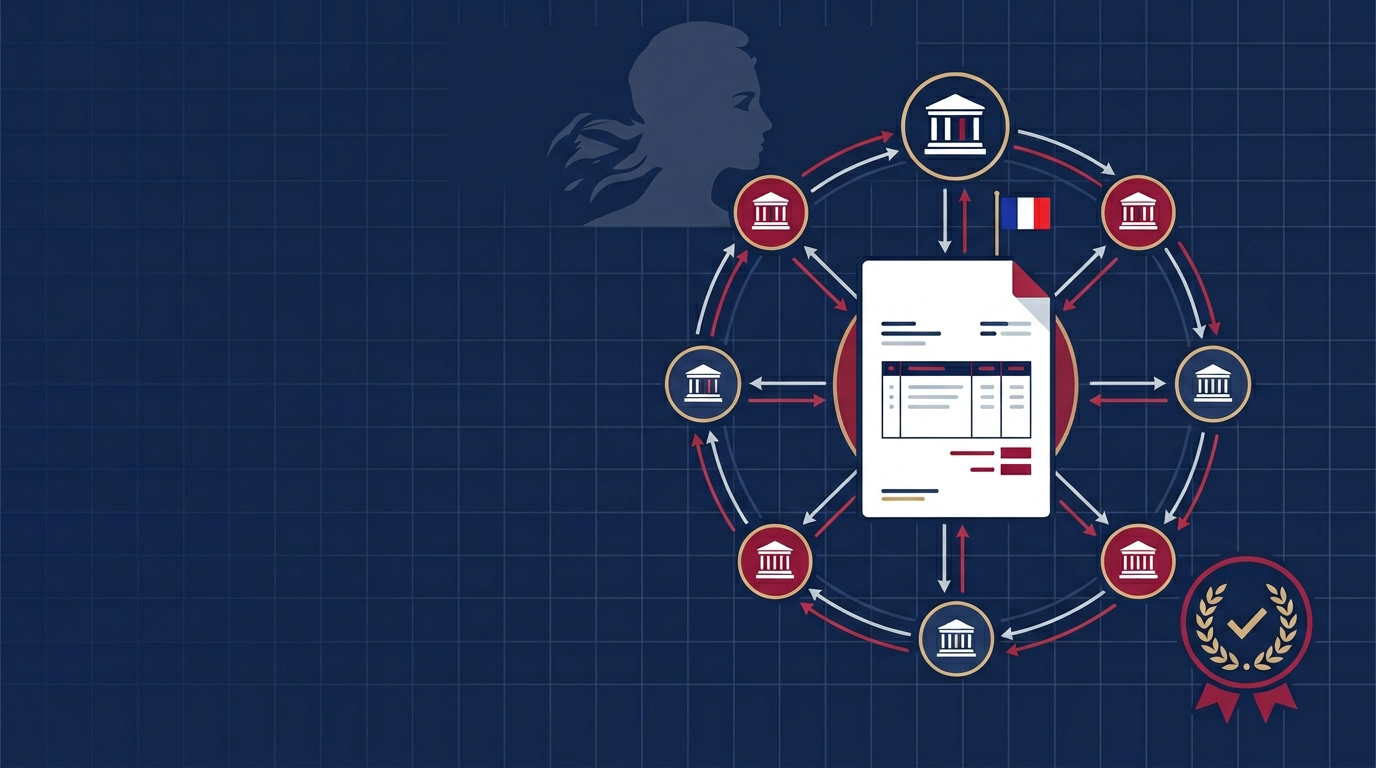
France E-Invoicing Guide: PPF, PDP & e-Reporting Mandate (2026)
France's e-invoicing mandate starts September 1, 2026 for receiving and large-business emission. Learn the PPF/PDP Y-scheme, Factur-X format, and €15-per-invoice penalties (capped €15,000/year).
18 min read
Italy E-Invoicing Guide: SDI System, FatturaPA & Compliance (2026)
Italy's SDI e-invoicing system has been mandatory since 2019. Learn about FatturaPA format, penalties, and compliance requirements.
12 min readDigital Marketing, SEO Specialist, Content Creator & Product Professional
Olayinka is a digital marketer, content creator, growth and SEO specialist with 10+ years helping businesses in Nigeria, the UK, the US, Australia, and Dubai achieve their goals online.