Belgium E-Invoicing for Small Businesses & Self-Employed: Practical PEPPOL Guide
Tax & Compliance Series
This guide is part of a comprehensive series. Explore all 202 topics:
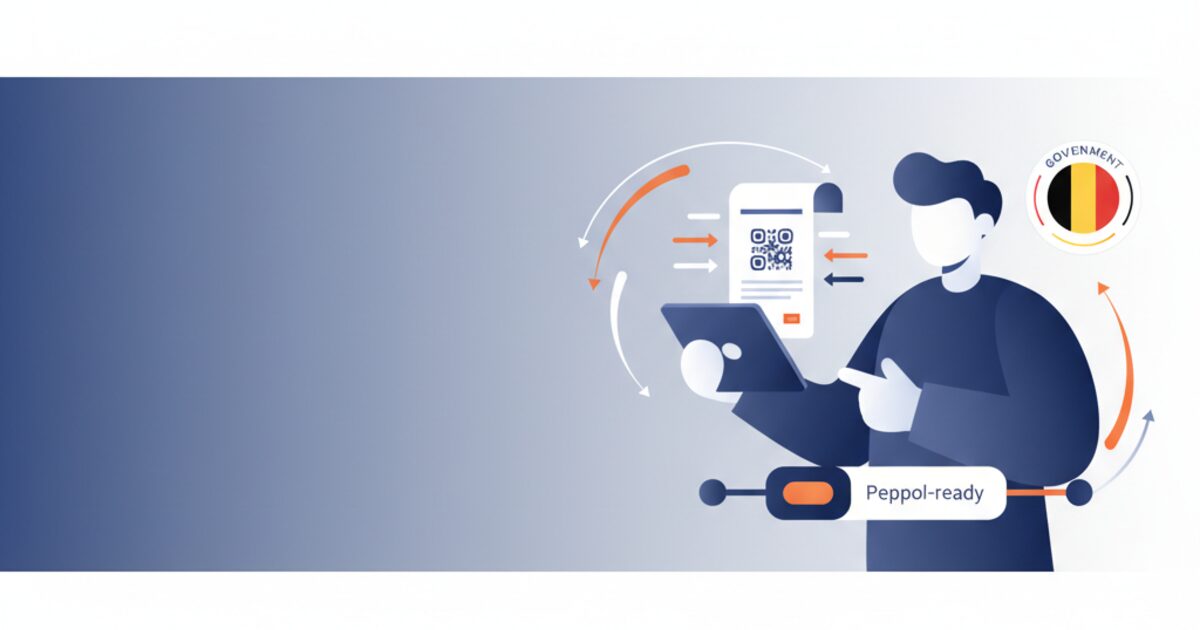
Belgian small businesses and self-employed workers have been subject to the PEPPOL B2B e-invoicing mandate since January 1, 2026, with no exemptions based on size. Whether you're a sole trader invoicing €5,000/month or a small BVBA with 10 employees, you need to send and receive structured PEPPOL invoices for all domestic B2B transactions. The good news: implementation costs are modest (€10–€60/month), and Belgium's 120% tax deduction for e-invoicing costs effectively subsidizes the transition.
What Do Small Businesses Need to Do?
The compliance checklist for Belgian SMEs and self-employed:
The compliance checklist for Belgian SMEs and self-employed:
- Get a PEPPOL-capable invoicing tool: Your software must generate PEPPOL BIS Billing 3.0 invoices and connect to an Access Point.
- Register in the PEPPOL directory: Your KBO/BCE number and VAT number must be registered so trading partners can find you.
- Inform your clients and suppliers: Share your PEPPOL participant ID with regular trading partners.
- Update your processes: Switch from PDF/email invoicing to structured PEPPOL invoicing for B2B.
How Much Does PEPPOL Compliance Cost for Small Businesses?
Typical costs for Belgian SMEs:
Typical costs for Belgian SMEs:
| Component | One-Time Cost | Monthly Cost |
|---|---|---|
| Invoicing software (PEPPOL-ready) | €0–€200 | €10–€50 |
| Access Point subscription | €0 | €0–€30 (often included in software) |
| Integration/setup | €0–€500 | — |
| Total typical | €0–€700 | €10–€60 |
With the 120% tax deduction, a €600/year software cost effectively becomes €450/year after tax savings (at 25% corporate rate).
What About B2C Invoices?
The PEPPOL mandate only covers B2B (business-to-business) transactions. If you sell to private consumers (B2C), those invoices are not required to go through PEPPOL.
The PEPPOL mandate only covers B2B (business-to-business) transactions. If you sell to private consumers (B2C), those invoices are not required to go through PEPPOL. You can continue using PDF, paper, or any other format for consumer invoices. However, if you sell to both businesses and consumers, you'll need a system that handles both flows.
What Happens If I Don't Comply?
The practical consequences for small businesses go beyond formal penalties:
The practical consequences for small businesses go beyond formal penalties:
- Clients may refuse non-PEPPOL invoices: Because non-compliant invoices risk VAT deduction refusal, your B2B clients have a strong incentive to insist on PEPPOL invoices.
- Payment delays: Many businesses are automating their AP (accounts payable) workflows around PEPPOL—non-PEPPOL invoices may be deprioritized or delayed.
- Competitive disadvantage: As the market shifts to PEPPOL, businesses still using manual processes lose efficiency compared to competitors.
Invoicemonk offers an affordable all-in-one solution with built-in PEPPOL support, professional invoice templates, and expense tracking—perfect for Belgian small businesses and self-employed workers looking for hassle-free compliance.
More in this series (202 articles)
From this series
Stay audit-ready and compliant with tax regulations across different regions.
Related Topics
Digital Marketing, SEO Specialist, Content Creator & Product Professional
Olayinka is a digital marketer, content creator, growth and SEO specialist with 10+ years helping businesses in Nigeria, the UK, the US, Australia, and Dubai achieve their goals online.