How to Comply with KRA eTIMS in Kenya: Onboard, Connect, and Issue Your First Control Unit Invoice (2026)
Global E-Invoicing Platform Series
This guide is part of a comprehensive series. Explore all 36 topics:
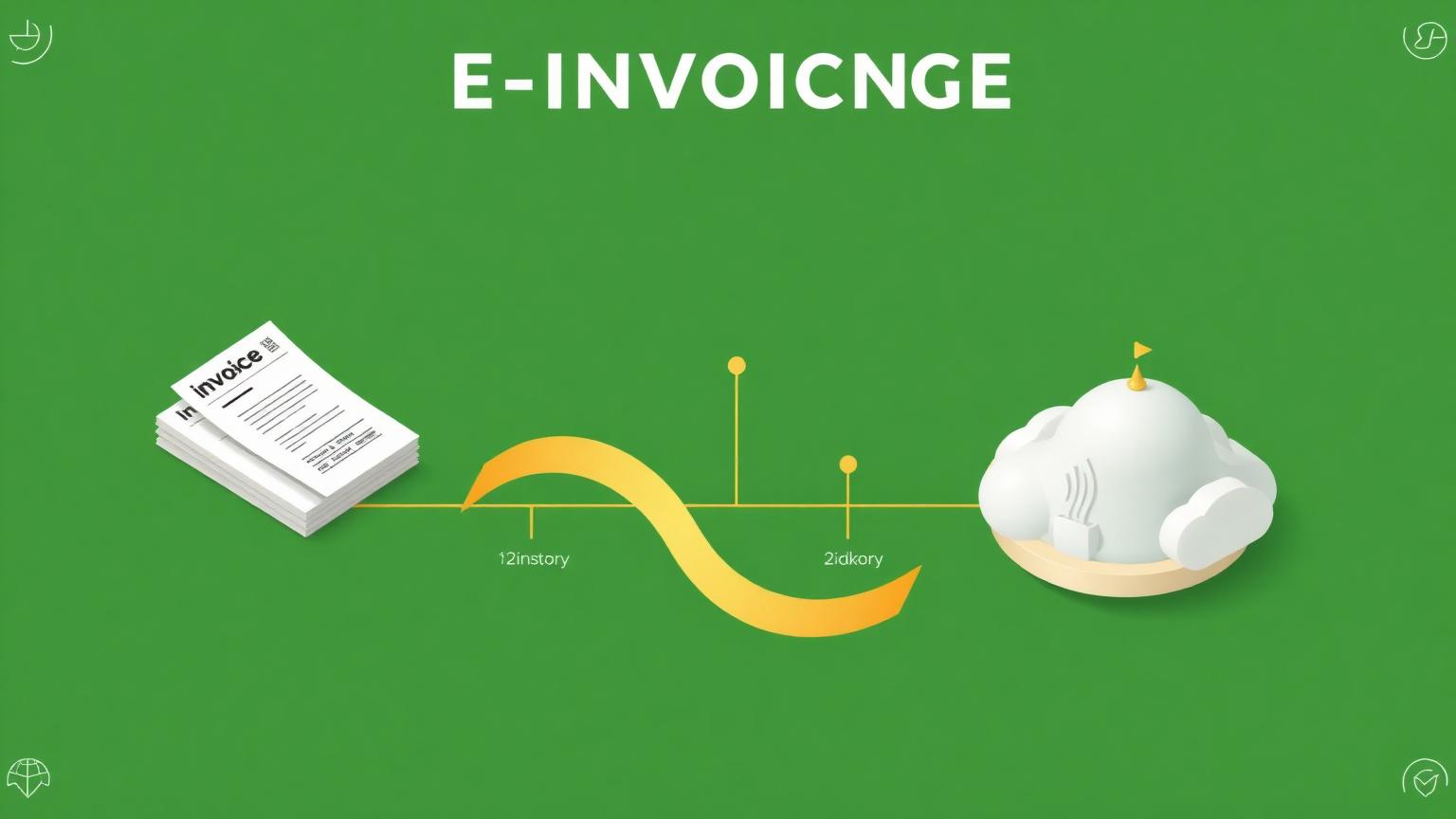
To comply with KRA eTIMS in Kenya, a taxpayer must register on the iTax portal under an active KRA PIN, pick the eTIMS variant that matches operating scale (eTIMS Lite for web entry, eTIMS Online for API integration, OSCU / VSCU for higher-volume sales control, Multi-Paypoint for multi-branch retailers), provision the KRA-onboarded signing credential bound to the PIN, build a signed payload containing seller and buyer KRA PINs plus the 16% VAT breakdown, submit it to the eTIMS API to receive a Control Unit Invoice Number (CU-INV) and QR pointing to KRA's verification endpoint, then print the CU-INV and QR on the buyer PDF — without which the invoice is not legally valid for VAT or income-tax expense deduction.
At a glance
- Authority: Kenya Revenue Authority (KRA).
- Mandate: Electronic Tax Invoice Management System (eTIMS).
- Artefact: Signed eTIMS payload + Control Unit Invoice Number (CU-INV) + KRA-verification QR.
- Transport: eTIMS API (Online / OSCU / VSCU variants) or the eTIMS web portal (Lite).
- Applies to: Every Kenyan business — VAT-registered and non-VAT-registered — under KRA's 2023–2024 phased rollout.
- Tax rate handled: 16% VAT standard, 8% (select fuel items), 0% zero-rated, plus exempt categories.
- Income-tax linkage: From 1 January 2026, income-tax returns are validated against eTIMS, withholding, and customs datasets; expenses without an eTIMS invoice are disallowed.
- Last reviewed: 20 November 2026 against the KRA eTIMS portal and KPMG Kenya's January 2026 tax alert.
Where eTIMS sits in the global e-invoicing landscape
eTIMS is a clearance-model regime — sibling to ZATCA Phase 2 in Saudi Arabia, MyInvois in Malaysia, GST IRN in India, and NRS / FIRS MBS in Nigeria.
eTIMS is a clearance-model regime — sibling to ZATCA Phase 2 in Saudi Arabia, MyInvois in Malaysia, GST IRN in India, and NRS / FIRS MBS in Nigeria. The distinguishing trait is the variant catalogue: KRA recognises that a one-room shop and a national retailer cannot operate the same way, so eTIMS ships in five flavours sharing the same payload contract.
What you need before you start
An active KRA PIN with iTax access. Clarity on whether you are VAT-registered (16% / 8% / 0%) or non-VAT (still in scope since 1 September 2023).
- An active KRA PIN with iTax access.
- Clarity on whether you are VAT-registered (16% / 8% / 0%) or non-VAT (still in scope since 1 September 2023).
- An invoicing platform that integrates with the KRA eTIMS API for the chosen variant — Invoicemonk integrates with eTIMS Online and VSCU.
- NTP-synchronised clocks on the submitting system.
Step 1 — Register on iTax for eTIMS
Where do I sign up?
Log in to iTax with your KRA PIN, navigate to the eTIMS service, and complete the registration. KRA binds your PIN to eTIMS so every payload submitted under that PIN is attributable.
Log in to iTax with your KRA PIN, navigate to the eTIMS service, and complete the registration. KRA binds your PIN to eTIMS so every payload submitted under that PIN is attributable.
I am not VAT-registered — am I still in scope?
Yes. KRA's public notice extended eTIMS to all persons carrying on business from 1 September 2023.
Yes. KRA's public notice extended eTIMS to all persons carrying on business from 1 September 2023. From 1 January 2024, any expense not supported by an eTIMS invoice is disallowed against income tax. The non-VAT taxpayer journey is the same registration flow, the same variants, and the same CU-INV outcome.
Step 2 — Pick the right eTIMS variant
How do the variants differ?
eTIMS Lite — web-based, free; best for very-low-volume businesses without an existing invoicing system. eTIMS Online — API-based, integrates with cloud invoicing software (Invoicemonk uses this).
- eTIMS Lite — web-based, free; best for very-low-volume businesses without an existing invoicing system.
- eTIMS Online — API-based, integrates with cloud invoicing software (Invoicemonk uses this).
- OSCU (Online Sales Control Unit) — KRA-supplied physical device, for businesses with persistent connectivity and a retail point-of-sale.
- VSCU (Virtual Sales Control Unit) — software equivalent of OSCU for cloud-hosted invoicing, used by mid-volume SaaS and service businesses.
- Multi-Paypoint — for multi-branch retailers; one Control Unit per branch, with central aggregation back to iTax.
Can I run more than one variant?
Yes. Large operators often run OSCU at till points for B2C and eTIMS Online for B2B back-office invoicing under the same PIN.
Yes. Large operators often run OSCU at till points for B2C and eTIMS Online for B2B back-office invoicing under the same PIN. Each Control Unit issues its own CU-INV sequence; KRA stitches the data together at the PIN level.
Step 3 — Provision your eTIMS credential
KRA issues an eTIMS credential bound to your PIN and your selected variant — the credential signs every payload. Invoicemonk runs the provisioning flow inside the product so the credential stays in your tenant.
KRA issues an eTIMS credential bound to your PIN and your selected variant — the credential signs every payload. Invoicemonk runs the provisioning flow inside the product so the credential stays in your tenant. For OSCU users, the credential is embedded in the physical device shipped by KRA.
Step 4 — Map your invoice to the eTIMS schema
Step 4 — Map your invoice to the eTIMS schema includes: Seller and buyer KRA PINs (validated against the KRA registry — invalid PINs reject at submission). Line items with HS code or KRA classification.
- Seller and buyer KRA PINs (validated against the KRA registry — invalid PINs reject at submission).
- Line items with HS code or KRA classification.
- The Kenyan VAT breakdown: 16% standard, 8% (select items per the VAT Act), 0% zero-rated, or exempt.
- Currency, payment terms, invoice type code (Sale, Credit Note, Debit Note, Refund Note).
- The digital signature bound to the eTIMS credential.
Step 5 — Submit and receive the CU-INV
Step 5 — Submit and receive the CU-INV includes: The platform builds the eTIMS payload. It signs the payload with your eTIMS credential.
- The platform builds the eTIMS payload.
- It signs the payload with your eTIMS credential.
- It posts the signed payload to the KRA eTIMS API.
- KRA validates schema, PIN validity, VAT computation, and signature.
- On success KRA returns the Control Unit Invoice Number (CU-INV) plus a QR URL resolving to KRA's verification endpoint.
- The platform persists CU-INV and binds it together with the QR to the buyer PDF.
Step 6 — Print the CU-INV and QR on the buyer PDF
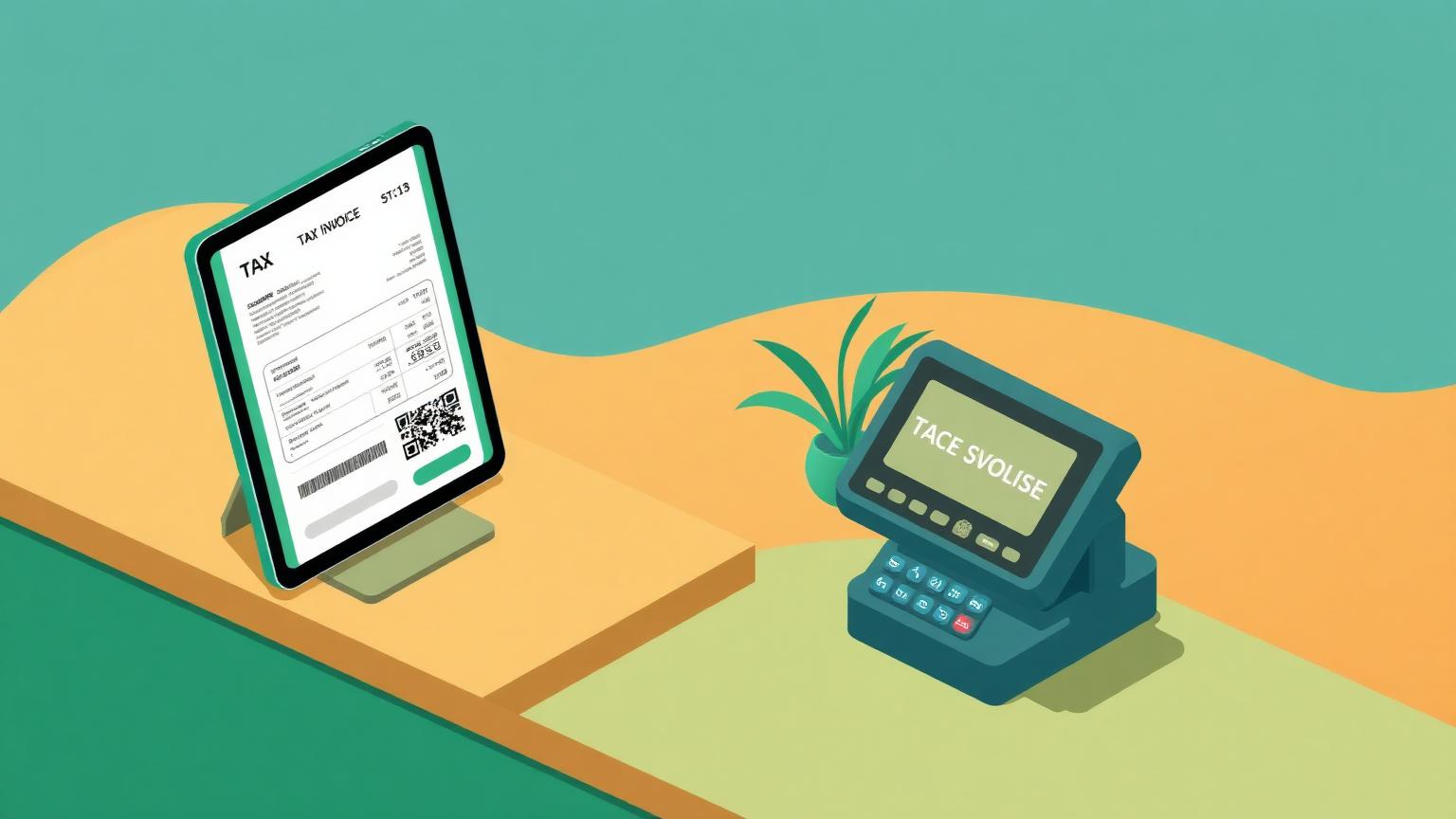
Every buyer-facing invoice must carry the CU-INV and the KRA QR. The QR resolves to the public KRA verification page that confirms the invoice.
Every buyer-facing invoice must carry the CU-INV and the KRA QR. The QR resolves to the public KRA verification page that confirms the invoice. Without the CU-INV the invoice is not legally valid for the buyer's input VAT and not deductible for income tax — from 1 January 2026 KRA actively validates this at return time.
How eTIMS feeds the 2026 income-tax validation
From 1 January 2026, KRA validates filed income-tax returns against the underlying eTIMS, withholding tax, and customs datasets.
From 1 January 2026, KRA validates filed income-tax returns against the underlying eTIMS, withholding tax, and customs datasets. Expenses not supported by an eTIMS invoice are systematically disallowed. The implication for sellers: a missing CU-INV is no longer a soft issue — the buyer loses the deduction and will refuse to settle. The implication for buyers: build vendor-onboarding controls that confirm every supplier is eTIMS-active.
Pre-go-live compliance checklist
Pre-go-live compliance checklist includes: ☐ KRA PIN active and eTIMS service enabled on iTax. ☐ eTIMS variant chosen and credential provisioned.
- ☐ KRA PIN active and eTIMS service enabled on iTax.
- ☐ eTIMS variant chosen and credential provisioned.
- ☐ Invoicing platform integrated; sandbox submission returns a valid CU-INV.
- ☐ Buyer PIN validation enabled on the platform.
- ☐ Buyer PDF template includes the CU-INV and the KRA QR in mandatory positions.
- ☐ NTP clock-drift alert configured.
- ☐ Retry-and-queue policy in place for KRA downtime.
- ☐ Vendor-side onboarding checks confirm suppliers are eTIMS-active.
Authority sources
- KRA — Learn about eTIMS (official FAQ)
- KRA public notice — eTIMS for non-VAT-registered persons
- KRA — OSCU and VSCU step-by-step sign-up guide (PDF)
- KPMG Kenya — eTIMS and the 2026 shift to data-driven validation
- KRA iTax portal — taxpayer service login
- KRA eTIMS portal — Control Unit verification
TL;DR
Register on iTax, pick the eTIMS variant that fits your scale, provision the credential, post signed payloads to the API, print the CU-INV and QR on every buyer PDF. From January 2026 the CU-INV directly drives income-tax deductibility — there is no longer any operating model where it is optional.
Register on iTax, pick the eTIMS variant that fits your scale, provision the credential, post signed payloads to the API, print the CU-INV and QR on every buyer PDF. From January 2026 the CU-INV directly drives income-tax deductibility — there is no longer any operating model where it is optional.
Related reading
Related reading includes: KRA eTIMS — Invoicemonk's Kenya implementation KRA eTIMS explained: scope, variants, VAT, timeline
More in this series (36 articles)
From this series
Mandate-compliant e-invoicing in 17 jurisdictions, with the local artefact (CSID, IRN, UUID, QR, digital signature) issued automatically.
Digital Marketing, SEO Specialist, Content Creator & Product Professional
Olayinka is a digital marketer, content creator, growth and SEO specialist with 10+ years helping businesses in Nigeria, the UK, the US, Australia, and Dubai achieve their goals online.