Mobile Payment Options for Small Business: Complete Guide
Getting Paid Faster Series
This guide is part of a comprehensive series. Explore all 40 topics:
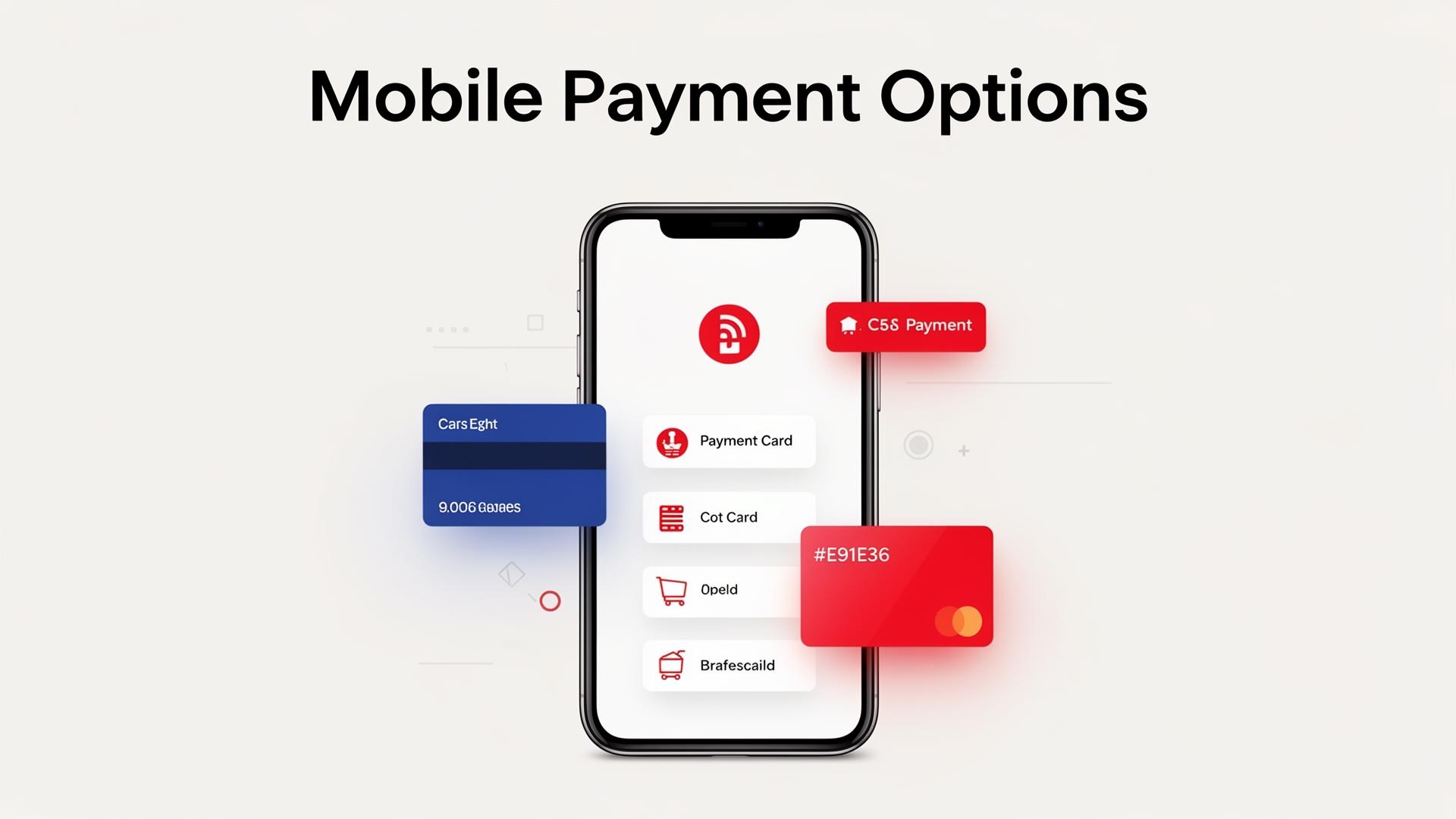
Mobile payments are no longer a nice-to-have—they're essential. In 2026, over 55% of in-person transactions involve some form of mobile or contactless payment. For small businesses, accepting mobile payments means faster transactions, happier customers, and improved cash flow.
Why Mobile Payments Matter
Customer expectation: Most consumers now expect mobile payment options Faster checkout: Mobile payments process in seconds, reducing queues
- Customer expectation: Most consumers now expect mobile payment options
- Faster checkout: Mobile payments process in seconds, reducing queues
- Improved cash flow: Funds typically settle within 1–2 business days
- Reduced errors: No manual entry means fewer mistakes
- Professional image: Modern payment options signal a forward-thinking business
Types of Mobile Payment Solutions
1. Mobile Point of Sale (mPOS)
Small card readers that connect to your smartphone or tablet. Popular options include Square, SumUp, and iZettle. Ideal for retail, market stalls, and service businesses.
- Cost: $0–$50 for the reader
- Fees: 1.5%–2.75% per transaction
- Settlement: 1–2 business days
2. QR Code Payments
Customers scan a code to pay via their banking app or digital wallet. No hardware needed—just display a code.
- Cost: Free to set up
- Fees: 0%–1.5% per transaction
- Popular in: Africa, Asia, increasingly in Europe
3. Digital Wallet Payments
Accept payments via Apple Pay, Google Pay, Samsung Pay, and other digital wallets. These use NFC (Near Field Communication) technology.
4. In-App and Online Mobile Payments
For service businesses, sending mobile-friendly invoices with embedded payment links lets clients pay from their phone in seconds.
Comparing Mobile Payment Providers
Fees vary by region. Check provider websites for current rates.
| Provider | Transaction Fee | Hardware Cost | Best For |
|---|---|---|---|
| Square | 2.6% + $0.10 | Free (basic) | Retail, food service |
| SumUp | 1.69% | $39 | European businesses |
| PayPal Zettle | 2.29% + $0.09 | $29 | PayPal users |
| Stripe Terminal | 2.7% + $0.05 | $59 | Online-first businesses |
Fees vary by region. Check provider websites for current rates.
Choosing the Right Solution
Consider these factors:
- Transaction volume: High-volume businesses benefit from lower per-transaction fees
- Average transaction size: Percentage-based fees hurt less on large transactions
- Industry: Some solutions are tailored for specific industries
- Integration needs: Does it work with your existing invoicing and accounting software?
- International payments: If you serve international clients, consider international payment fees
Security Considerations
Security Considerations includes: Choose PCI DSS compliant providers Use tokenisation for card data protection
- Choose PCI DSS compliant providers
- Use tokenisation for card data protection
- Enable two-factor authentication on your merchant account
- Keep software and firmware updated
- Train staff on security protocols
Integrating with Your Invoicing System
The best setup connects your mobile payments with your invoicing software. When a client pays via mobile, the invoice should automatically mark as paid, your books update, and a receipt is sent.
The best setup connects your mobile payments with your invoicing software. When a client pays via mobile, the invoice should automatically mark as paid, your books update, and a receipt is sent. Invoicemonk integrates with popular payment processors to create this seamless flow.
Related Resources
More in this series (40 articles)
From this series
Strategies and tools to accelerate your payment collection and improve cash flow.
Related Topics
Digital Marketing, SEO Specialist, Content Creator & Product Professional
Olayinka is a digital marketer, content creator, growth and SEO specialist with 10+ years helping businesses in Nigeria, the UK, the US, Australia, and Dubai achieve their goals online.