How to Get Paid Faster: 11 Cash Flow Strategies for Small Business (2026)
Invoicing Mastery
Master the art of professional invoicing to get paid faster and look more professional.
Invoicing Mastery Series
This guide is part of a comprehensive series. Explore all 33 topics:
Cash flow is the oxygen of business. You can have the best product, the happiest customers, and a full pipeline of work—but if you're not getting paid on time, your business suffocates. Late payments cause more small business failures than almost any other factor.
The good news? Getting paid faster isn't about luck or having "good" clients. It's about implementing systematic strategies that make timely payment the path of least resistance. This guide will show you exactly how to do that.
Why Cash Flow Matters More Than Profit
Here's a truth that surprises many business owners: profitable businesses fail. They fail because profit on paper doesn't pay your bills—cash does.
Here's a truth that surprises many business owners: profitable businesses fail. They fail because profit on paper doesn't pay your bills—cash does. You might have $50,000 in outstanding invoices and still not be able to make payroll because that money is sitting in someone else's bank account.
Cash flow timing matters enormously:
- You need to pay suppliers, employees, and rent on specific dates
- Growth opportunities require available capital
- Emergencies don't wait for your clients to pay
- Stress from cash flow uncertainty affects your decision-making
When you optimize for faster payments, you're not just improving your bank balance—you're creating the financial stability that allows you to run your business effectively.
The Real Cost of Slow Invoicing
The single biggest predictor of how fast you get paid isn't your client — it's how quickly you send the invoice. The moment you deliver work, the client is at peak satisfaction: the deliverable is fresh, the value is felt, and the budget is still open.
The single biggest predictor of how fast you get paid isn't your client — it's how quickly you send the invoice. The moment you deliver work, the client is at peak satisfaction: the deliverable is fresh, the value is felt, and the budget is still open. Wait a week and the work fades, your invoice competes with newer expenses, and you've signalled that payment isn't a priority for you either.
Consider a freelancer billing $8,000/month. If they invoice 7 days late and their average payment cycle is 25 days, they're effectively waiting 32 days for payment. With same-day invoicing on Net 15 terms, that drops to roughly 15–18 days. Over a year that's about $4,000 more cash in hand at any given moment — without earning a single extra dollar. Industry studies consistently show invoices sent within 24 hours of delivery are paid 2–3 weeks sooner than those delayed by a week or more.
Set Payment Expectations Before You Start Work
The best time to ensure fast payment is before you do any work at all.
The best time to ensure fast payment is before you do any work at all. Payment expectations should be crystal clear from the first conversation:
Define Terms in Writing
Never assume clients understand your payment terms. Include them in proposals, contracts, and quotes. Specify the due date, accepted payment methods, late payment penalties, and any deposit requirements. For the fastest cycles, default to Net 15 and consider an early-payment discount such as 2/10 Net 15 (2% off if paid within 10 days). See our guide to understanding payment terms.
Discuss Payment Upfront
Many business owners feel awkward discussing money. Get over it. Clients expect to pay for value—talking about payment is professional, not pushy. Cover payment terms in your initial meetings and confirm understanding before starting work.
Get Commitment
Have clients sign off on payment terms as part of your contract or agreement. This creates a clear record of what was agreed and makes disputes less likely.
Request Deposits for New Clients
A deposit accomplishes two things: it improves your cash flow timing, and it filters out clients who might not pay at all. If someone won't pay 25-50% upfront, that's a warning sign worth heeding.
Payment Methods: Make It Easy to Pay You
Every barrier between your invoice and payment costs you money. The easier it is for clients to pay, the faster they will.
Every barrier between your invoice and payment costs you money. The easier it is for clients to pay, the faster they will. Evaluate your payment methods:
Online Payments
Accept credit cards and bank transfers online. Yes, there are fees—but the speed and convenience typically outweigh the cost. Many clients will pay immediately if they can do it with a few clicks.
Mobile Payments
Mobile money and digital wallets are increasingly popular. If your clients use these methods, accept them.
Multiple Options
Different clients prefer different methods. Offer several options and let clients choose. Include clear instructions for each method in your invoices.
Direct Links
Include payment links directly in your invoices and email reminders. Reducing clicks reduces delays.
Invoice Best Practices for Faster Payment
Your invoice itself affects how quickly you get paid.
Your invoice itself affects how quickly you get paid. Follow these practices:
Invoice Immediately
Send invoices the day you complete work or deliver goods. Every day you delay sending an invoice is a day you delay getting paid. Use invoicing software to create and send invoices in minutes.
Be Clear and Detailed
Confusion delays payment. Include specific descriptions, dates, and references that help clients understand exactly what they're paying for. Read our complete invoicing guide for detailed best practices.
Make the Total Obvious
The amount due should be the most prominent element on your invoice. Don't make clients hunt for it.
Include Complete Payment Details
Every piece of missing information creates a reason for delay. Include bank details, payment links, reference numbers—everything needed to pay without additional communication.
Use Professional Templates
Professional-looking invoices get taken more seriously. Use consistent, branded templates that reflect the quality of your work.
Automated Payment Reminders
Most late payments aren't intentional—they're the result of busy clients forgetting or deprioritizing your invoice.
Most late payments aren't intentional—they're the result of busy clients forgetting or deprioritizing your invoice. Systematic reminders solve this without awkward conversations:
Before Due Date
Send a friendly reminder 3-5 days before the due date. This is a courtesy, not a demand—"Just a reminder that invoice #123 is due on Friday. Let me know if you have any questions."
On Due Date
If unpaid, send another reminder on the due date itself. Keep it professional: "Invoice #123 is due today. Please let me know if there are any issues processing payment."
After Due Date
Escalate gradually. At 7 days overdue, send a firmer reminder. At 14 days, call. At 30 days, consider formal collection processes. Document everything.
Automate the Process
Invoicing software can send these reminders automatically, saving you time and ensuring consistency. Automation removes the emotional burden of chasing payments.
Handling Late Payments Professionally
Despite your best efforts, some payments will be late.
Despite your best efforts, some payments will be late. How you handle these situations affects both your cash flow and client relationships:
Stay Professional
Anger rarely speeds up payment and often damages relationships. Remain calm, professional, and focused on resolution.
Understand the Reason
Before escalating, find out why payment is late. Is it cash flow issues on their end? A dispute about the work? Administrative oversight? The approach differs based on the cause.
Offer Solutions
For clients with cash flow issues, consider payment plans. Partial payment now is often better than full payment never. Get any agreements in writing.
Apply Late Fees (If Stated)
If your terms include late payment fees, apply them consistently. This isn't about profit—it's about incentivizing timely payment.
Know When to Escalate
If communication breaks down or payment is significantly overdue, you may need formal collection processes. Factor agencies or legal action should be last resorts, but they exist for good reason.
Learn and Adjust
Track which clients pay late consistently. Adjust terms accordingly—require deposits, shorten payment windows, or in extreme cases, stop working with chronic late payers.
Deposits and Progress Payments
For larger projects or new client relationships, structuring payments throughout the project dramatically improves cash flow:
For larger projects or new client relationships, structuring payments throughout the project dramatically improves cash flow:
Deposits
Request 25-50% upfront for new clients or large projects. This covers your initial costs and establishes commitment. Frame it as industry standard practice—because it is.
Milestone Billing
For projects spanning weeks or months, invoice at defined milestones rather than only at completion. This keeps cash flowing throughout the project and limits your exposure.
Progress Billing
For ongoing work, invoice weekly or bi-weekly rather than monthly. More frequent billing means faster payment cycles. Learn more in our proposals and estimates guide.
Retainer Agreements
For ongoing client relationships, consider monthly retainers paid in advance. This provides predictable cash flow and simplifies billing for both parties.
Building Long-Term Payment Reliability
The strategies above handle immediate payment issues.
The strategies above handle immediate payment issues. Long-term, focus on building a business where fast payment is the norm:
Choose Clients Wisely
Not all revenue is good revenue. Clients who pay late consistently cost you money in time, stress, and cash flow uncertainty. Factor payment reliability into your client selection.
Deliver Exceptional Value
Clients prioritize paying people who provide great value. When your work clearly exceeds expectations, payment becomes a priority, not an afterthought.
Build Relationships
People pay people they like and trust. Invest in client relationships beyond transactions. A strong relationship makes payment conversations easier and late payments rarer.
Communicate Proactively
Keep clients informed throughout projects. No surprises at invoice time means no reasons for payment delays.
Continuously Improve
Regularly review your payment metrics. Track days to payment, identify problem clients, and refine your processes based on what you learn.
Technology and Tools for Payment Collection
Modern tools make payment collection significantly easier:
Modern tools make payment collection significantly easier:
- Invoicing software: Create professional invoices quickly and track payment status
- Online payment processing: Accept cards and bank transfers with minimal friction
- Automated reminders: Schedule payment reminders without manual follow-up
- Accounting integration: Connect invoicing with your accounting for accurate records
- Client portals: Let clients view invoices and pay online at their convenience
Invoicemonk provides all these capabilities in one integrated platform, designed specifically for small businesses and freelancers who need to get paid faster.
Measuring Payment Performance
What gets measured gets managed.
What gets measured gets managed. Track these metrics:
- Days Sales Outstanding (DSO): Average time from invoice to payment. Lower is better.
- Payment rate by client: Identify which clients consistently pay on time vs. late.
- Overdue invoice percentage: What percentage of your receivables are past due?
- Collection efficiency: How quickly do you collect once invoices become overdue?
Review these monthly. Set targets and track progress. Celebrate improvements.
Action Plan: Implement These Strategies Today
Don't just read this guide—implement it.
Don't just read this guide—implement it. Here's your action plan:
- Today: Review your current payment terms and update if needed
- This week: Set up automated payment reminders
- This month: Add new payment methods to reduce friction
- Ongoing: Track payment metrics and continuously improve
Every day you delay implementing these strategies is a day you're leaving money on the table. Start now.
Related Resources
Frequently Asked Questions
What are the essential elements of a professional invoice?
A professional invoice must include: your business name and contact details, client information, unique invoice number, invoice date and due date, itemized list of products/services with quantities and prices, subtotal and total amounts, applicable taxes, and accepted payment methods.
Learn more: Invoice EssentialsHow do I number my invoices correctly?
Use a sequential numbering system that's easy to track. Common formats include: simple sequential (001, 002, 003), date-based (2024-001), or client-prefixed (ABC-001). The key is consistency—never reuse invoice numbers.
Learn more: Invoice TemplatesWhen should I send an invoice?
For project work, send invoices immediately upon completion or at agreed milestones. For recurring services, establish a consistent schedule (weekly, monthly). The sooner you invoice, the faster you get paid.
Learn more: Get Paid FasterWhat payment terms should I use?
Common payment terms include Net 15, Net 30, or Due Upon Receipt. For new clients, shorter terms reduce risk. Consider offering early payment discounts (2/10 Net 30) to incentivize faster payments.
Learn more: Invoice NumberingHow do I handle international invoicing?
For international clients, include: currency specification, your international bank details (IBAN, SWIFT), applicable tax information, and ensure compliance with both your country's and your client's tax regulations.
Learn more: Payment TermsTable of Contents
Explore the Invoicing Mastery Series
33 articles to master this topic
Business Invoicing Guide: Everything You Need to Know (2026)
The only invoicing guide you'll ever need. From creating your first invoice to automating recurring billing — covers templates, payment terms, tax compliance, and getting paid faster.
18 min read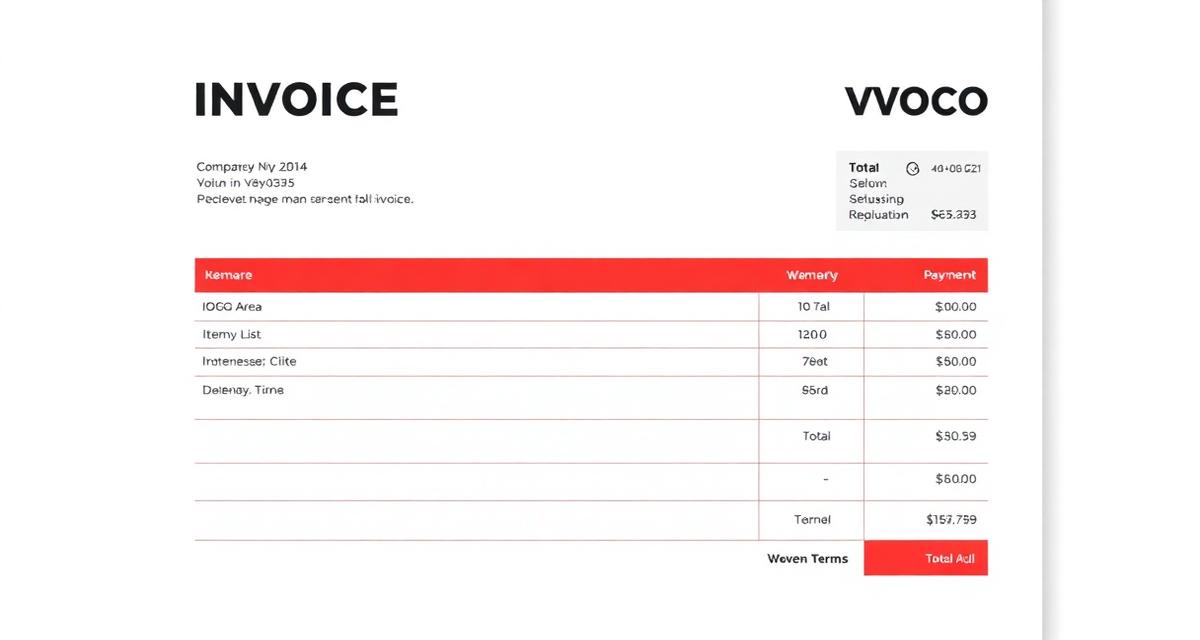
Invoicemonk Template – How to Create a Perfect Invoice Template
Master the art of creating professional invoice templates that help you get paid faster and look more professional.
6 min read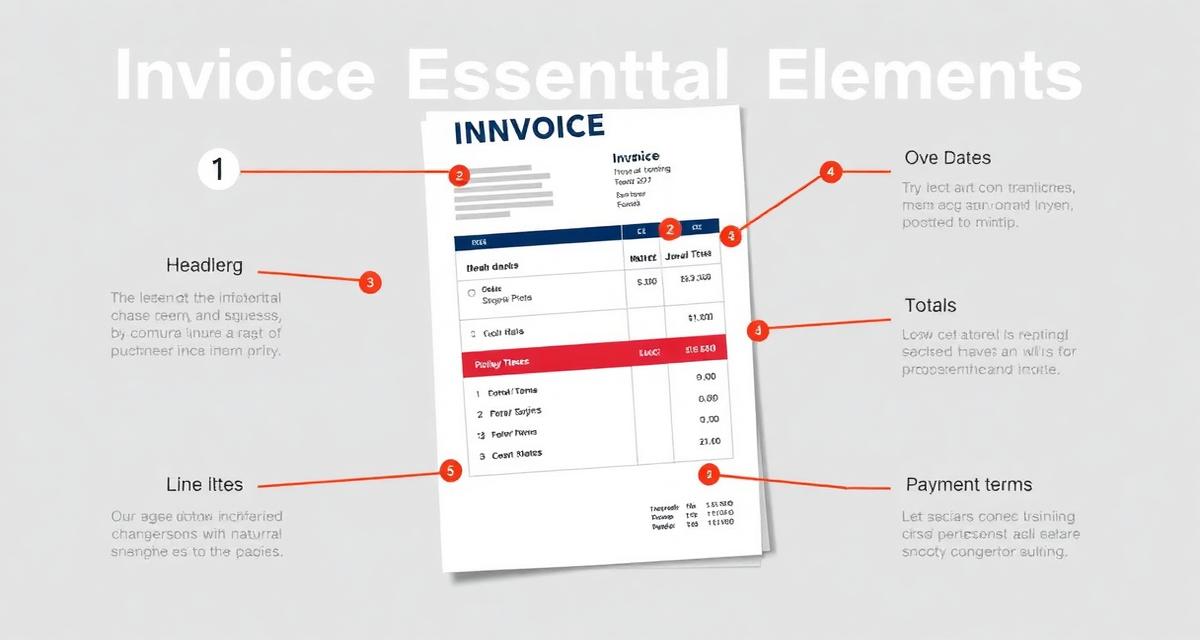
5 Essential Elements of an Invoice (2026 Checklist)
Missing one element can delay payment by weeks. Here are the 5 things every invoice needs — plus 3 optional elements that make you look professional. Free checklist included.
5 min readDigital Marketing, SEO Specialist, Content Creator & Product Professional
Olayinka is a digital marketer, content creator, growth and SEO specialist with 10+ years helping businesses in Nigeria, the UK, the US, Australia, and Dubai achieve their goals online.