Invoice Terms & Payment Terms: Examples, Wording, Templates (2026)
Invoicing Mastery Series
This guide is part of a comprehensive series. Explore all 33 topics:
Invoice terms (also called payment terms) state when and how a client must pay: the number of days from the invoice date (Net 15, Net 30), any early-payment discount (2/10 Net 30), late fees, and accepted payment methods. The payment terms on an invoice go in the same block as the total due, paired with the calculated due date.
Well-written invoice terms set clear expectations, reduce misunderstandings, and help you get paid faster. Yet many business owners treat payment terms as an afterthought, copying generic language without considering how their terms affect cash flow and client relationships.
Why Payment Terms Matter
Your payment terms are a contract. They establish legal expectations about when payment is due and what happens if it's late.
Your payment terms are a contract. They establish legal expectations about when payment is due and what happens if it's late. Clear terms:
- Set client expectations upfront, preventing disputes
- Provide legal recourse if payment is delayed
- Help you forecast cash flow more accurately
- Demonstrate professionalism and business maturity
- Can incentivize faster payment when structured correctly
Vague terms like "payment expected promptly" mean nothing legally. Specific terms like "Net 30 from invoice date" are enforceable.
Common Payment Term Structures
Understanding standard payment terms helps you choose what's right for your business:
Understanding standard payment terms helps you choose what's right for your business:
Due on Receipt (DOR)
Payment is expected immediately upon receiving the invoice. This is the strictest term and appropriate for:
- Retail transactions
- One-time services with no ongoing relationship
- Clients with poor payment history
- Situations where you have leverage (high demand for your services)
Pros: Maximum cash flow velocity. Cons: May strain client relationships; not practical for B2B.
Net 15 / Net 30 / Net 60
Payment is due within the specified number of days from the invoice date. Net 30 is the most common business standard.
- Net 15: Aggressive but increasingly common for freelancers and small businesses
- Net 30: The business standard—clients expect this, making it the safest choice
- Net 60: Often required by large corporations; plan your cash flow accordingly
Important: "Net" means calendar days, not business days, unless specified otherwise.
2/10 Net 30 (Early Payment Discounts)
Offer a 2% discount if the client pays within 10 days; otherwise, the full amount is due in 30 days. This incentivizes early payment while preserving the standard term for clients who can't pay quickly.
Before offering discounts, calculate the cost: 2% for 20 days early equals approximately 36% annualized. Only offer if your margins support it or cash flow is critical.
Deposit + Milestone Payments
For larger projects, structure payments around milestones:
- 30% deposit before work begins
- 30% at project midpoint
- 40% upon completion
This reduces your risk and smooths cash flow for longer engagements. It's standard practice for contractors, agencies, and consultants.
Retainer Arrangements
For ongoing relationships, establish a monthly retainer paid in advance. The client pays at the beginning of each month for that month's services. This is ideal for:
- Marketing agencies
- IT support contracts
- Legal services
- Consulting relationships
What to Include in Your Payment Terms
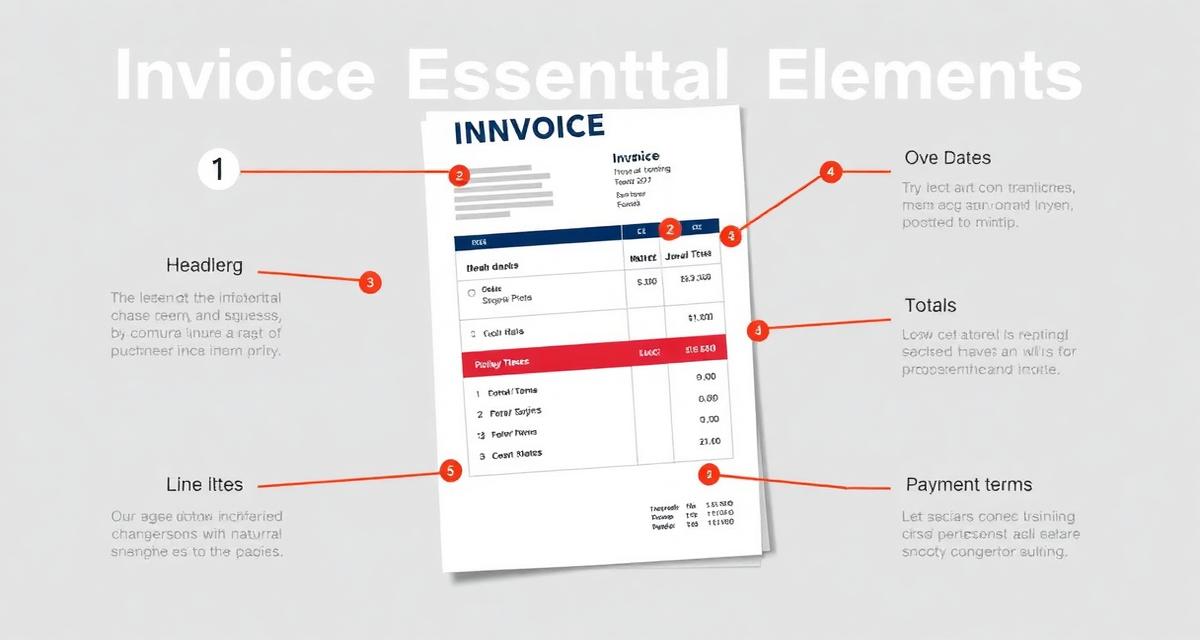
Complete payment terms should address:
Complete payment terms should address:
- Due Date: Be specific—"Due February 15, 2026" not "Due in 30 days"
- Accepted Payment Methods: Bank transfer, credit card, PayPal, etc.
- Payment Details: Account numbers, payment links, or instructions
- Currency: Specify the currency, especially for international clients
- Late Payment Fees: If applicable, state the penalty clearly
- Early Payment Incentives: If offering discounts, explain the terms
Late Payment Fees: Should You Charge Them?
Late fees serve two purposes: compensating you for the cost of delayed payment and deterring late payment in the first place.
Late fees serve two purposes: compensating you for the cost of delayed payment and deterring late payment in the first place. Consider:
- Flat Fee: $25 late fee after 30 days (simple, easy to understand)
- Percentage: 1.5% monthly on overdue balances (compounds if unpaid)
- Tiered: 1% at 30 days, 2% at 60 days, etc.
Important: Check local regulations. Some jurisdictions cap late fees or require specific disclosures. In the UK, late payment legislation allows you to charge statutory interest plus fixed compensation.
The deterrent effect often matters more than actual collection. Most clients pay on time when they know late fees apply.
Writing Payment Terms That Get Paid
Beyond the basics, these strategies improve payment rates:
Beyond the basics, these strategies improve payment rates:
- Use specific dates: "Due March 15, 2026" creates more urgency than "Net 30"
- Make payment easy: Include direct payment links when possible
- Be visible: Don't bury terms in small print—highlight the due date prominently
- Thank in advance: "Thank you for your prompt payment" sets a positive expectation
- Remind proactively: Send reminders before the due date, not just after
Negotiating Payment Terms with Clients
Large clients often want to negotiate extended terms.
Large clients often want to negotiate extended terms. Here's how to handle these conversations:
- Understand their constraints: Many corporations have fixed payment cycles you can't change
- Offer trade-offs: Longer terms in exchange for a larger deposit or higher rates
- Stand firm on essentials: If Net 60 would harm your business, be willing to decline
- Document everything: Get negotiated terms in writing before starting work
Remember: you have leverage too. If your services are valuable, clients will work with your terms.
Industry-Specific Considerations
Different industries have different norms:
Different industries have different norms:
- Freelancing: 50% deposit, balance on completion is increasingly standard
- Construction: Progress billing tied to project milestones
- Wholesale: Net 30 is standard; established buyers may request Net 60
- Retail: Payment at point of sale (Due on Receipt)
- Professional Services: Retainers or Net 15-30
Know what's standard in your industry, but don't be afraid to ask for better terms if you have leverage.
Implementing Your Payment Terms
For terms to be enforceable, clients need to agree to them before you start work:
For terms to be enforceable, clients need to agree to them before you start work:
- Include terms in your proposals and contracts
- Print them on every invoice
- Get explicit agreement for any custom arrangements
- Use invoicing software to standardize terms across all invoices
Payment Terms Examples You Can Copy
These are the exact wordings to place next to the invoice total. Replace the bracketed values and keep the calculated due date visible.
These are the exact wordings to place next to the invoice total. Replace the bracketed values and keep the calculated due date visible.
- Standard 30-day: "Payment terms: Net 30 — due [date]. Payment is considered received when cleared funds reach our account."
- Short cycle: "Payment terms: Net 15 — due [date]." See what Net 15 means and when to use it.
- Immediate: "Due on receipt — payable immediately upon delivery of this invoice."
- Early-payment discount: "2/10 Net 30 — deduct 2% if paid within 10 days; full balance due [date]."
- Deposit: "50% deposit due before work begins; balance due on delivery." See the deposit invoice guide.
- Milestone: "33% on signature, 33% at [milestone], 34% on final delivery, each payable Net 14."
- Retainer: "Monthly retainer invoiced in advance on the 1st, payable Net 15."
- End of month: "Net 30 EOM — due 30 days after the end of the month of invoice."
Payment Terms Compared at a Glance
The two most commonly compared terms are broken down further in Net 30 vs Net 15.
| Term | Payment due | Typical use | Cash-flow impact |
|---|---|---|---|
| Due on receipt | Immediately | New clients, one-off jobs, small amounts | Best |
| Net 7 | 7 days | Fast-turnaround services | Very good |
| Net 15 | 15 days | Small businesses, freelancers, retainers | Good |
| Net 30 | 30 days | Corporate clients, larger projects | Average |
| Net 45 / Net 60 | 45–60 days | Enterprise, government, distribution | Poor — needs a buffer |
| 2/10 Net 30 | 30 days, 2% off within 10 | Clients with cash on hand | Good, at ~2% cost |
Net 30 vs Net 15: Which Should You Use?
Net 30 gives clients 30 days to pay from the invoice date and is the B2B standard for larger organisations; Net 15 halves the window to 15 days and suits freelancers and small service businesses that need faster cash flow. On $50,000 of annual billing, moving from Net 30 to Net 15 keeps roughly $2,000 more in your account at any given time.
Net 30: the industry standard
- Clients expect it — it aligns with most corporate AP cycles
- Professional and reasonable for larger organisations
- But 30 days can stretch to 45+ with late payments, straining small-business cash flow
Net 15: the freelancer's friend
- Faster cash flow — you get paid twice as quickly
- Reduces non-payment risk (less time for clients to "forget")
- Some enterprise clients will push back; agree terms in the contract before work starts
For a deeper dive into the shorter cycle, see what Net 15 means and when to use it. If cash flow is tight, pair shorter terms with an early-payment discount such as 2/10 Net 30 — see our guide on early payment discounts.
Payment Terms Wording: Strong vs Weak
Payment Terms Wording: Strong vs Weak — "Please pay at your earliest convenience": No due date, nothing to enforce or age — "Net 15 — due 18 March 2026".
| Weak wording | Why it fails | Use instead |
|---|---|---|
| "Please pay at your earliest convenience" | No due date, nothing to enforce or age | "Net 15 — due 18 March 2026" |
| "Payment due in one month" | Ambiguous: 28, 30, or 31 days? | "Net 30 — due 2 April 2026" |
| "Late fees may apply" | Discretionary, so clients assume they won't | "1.5% interest per month on overdue balances" |
| "Payment on completion" | Completion is disputable | "Balance due on delivery of final files" |
Where Payment Terms Go on the Invoice
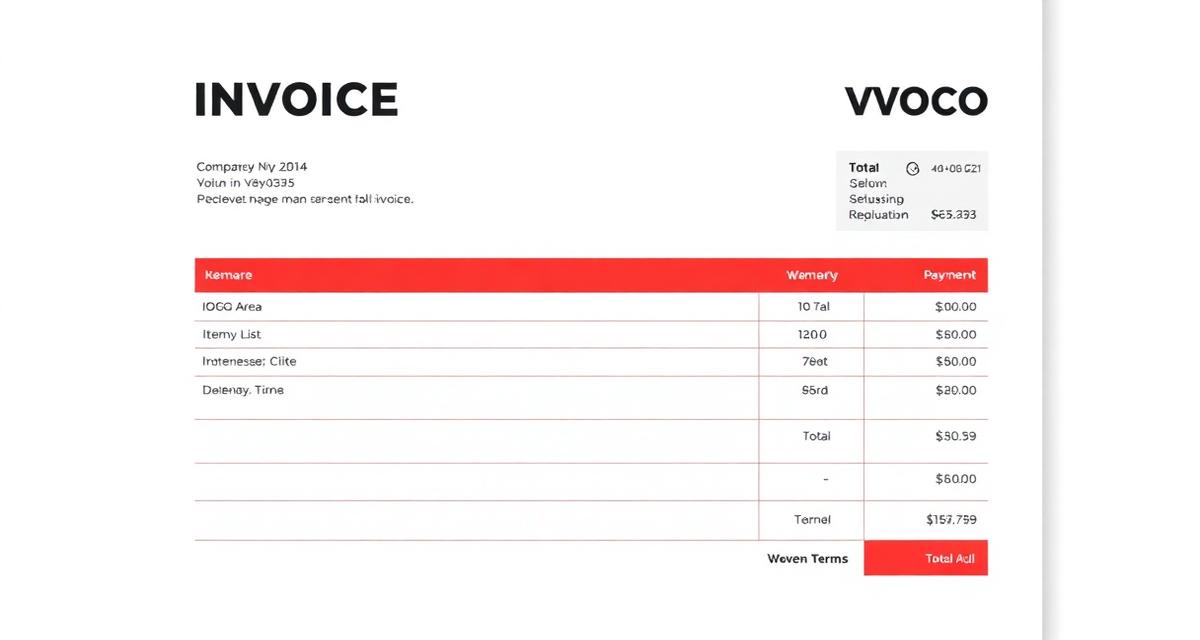
Print the payment term and the calculated due date in the same block as the invoice total, not only in the footer. The payer reads the amount owed; anything more than a glance away from that number gets missed.
Print the payment term and the calculated due date in the same block as the invoice total, not only in the footer. The payer reads the amount owed; anything more than a glance away from that number gets missed. Keep the longer legal clauses — interest, ownership, disputes, jurisdiction — in the footer as invoice terms and conditions.
- Beside the total: payment term, calculated due date, accepted payment methods.
- Footer, every page: late fee rate, ownership clause, dispute window, governing law.
- Quote or contract: the same terms, agreed before work starts — this is what makes them stick.
A Complete Copy-Paste Terms Block
Payment terms. Net 30 — payment due [date].
Payment terms. Net 30 — payment due [date]. Payment is considered received when cleared funds reach our account. Overdue balances accrue interest at 1.5% per month, or the maximum rate permitted by law, whichever is lower. Disputes must be raised in writing within 7 days of the invoice date. Accepted methods: bank transfer, card, [method].
Next Steps
Review your current payment terms. Are they clear, specific, and appropriate for your business? If you're experiencing late payments, your terms might be part of the problem.
For more on getting paid faster, see our ultimate guide to getting paid faster and learn about effective payment reminder templates.
Put your payment terms on autopilot
Terms only work when every invoice carries them. Invoicemonk's invoicing software stores your default terms, late-fee wording and due-date rules so they apply automatically to each invoice you send, and online payments let clients settle by card or bank transfer the moment they read them.
Terms only work when every invoice carries them. Invoicemonk's invoicing software stores your default terms, late-fee wording and due-date rules so they apply automatically to each invoice you send, and online payments let clients settle by card or bank transfer the moment they read them. See plans and pricing, or compare the options in our best invoicing software for US businesses guide.
More in this series (33 articles)
From this series
Master the art of professional invoicing to get paid faster and look more professional.
Related Topics
Digital Marketing, SEO Specialist, Content Creator & Product Professional
Olayinka is a digital marketer, content creator, growth and SEO specialist with 10+ years helping businesses in Nigeria, the UK, the US, Australia, and Dubai achieve their goals online.