What Is Net 15? Payment Terms, Examples, and When to Use It
Net 15 means the full invoice amount is due 15 calendar days after the invoice date. An invoice dated 3 March with Net 15 terms is due 18 March. "Net" refers to the net amount owed — the whole balance, not a portion — and the number is the count of days you allow before the balance is overdue.
How to calculate a Net 15 due date
Count calendar days, not business days, unless your invoice says otherwise. Count from the invoice date, not the delivery date or the date the client opened the email — again, unless you state otherwise.
- Count calendar days, not business days, unless your invoice says otherwise.
- Count from the invoice date, not the delivery date or the date the client opened the email — again, unless you state otherwise.
- Day 0 is the invoice date; day 15 is the due date.
| Invoice date | Net 15 due date |
|---|---|
| 1 January | 16 January |
| 20 February | 7 March |
| 31 March | 15 April |
If the due date lands on a weekend or bank holiday, most US businesses treat the next business day as the deadline. Say so explicitly if it matters to you: "If the due date falls on a weekend or federal holiday, payment is due the next business day."
How to write Net 15 on an invoice
Any of these are unambiguous, and all three should sit next to the total:
Any of these are unambiguous, and all three should sit next to the total:
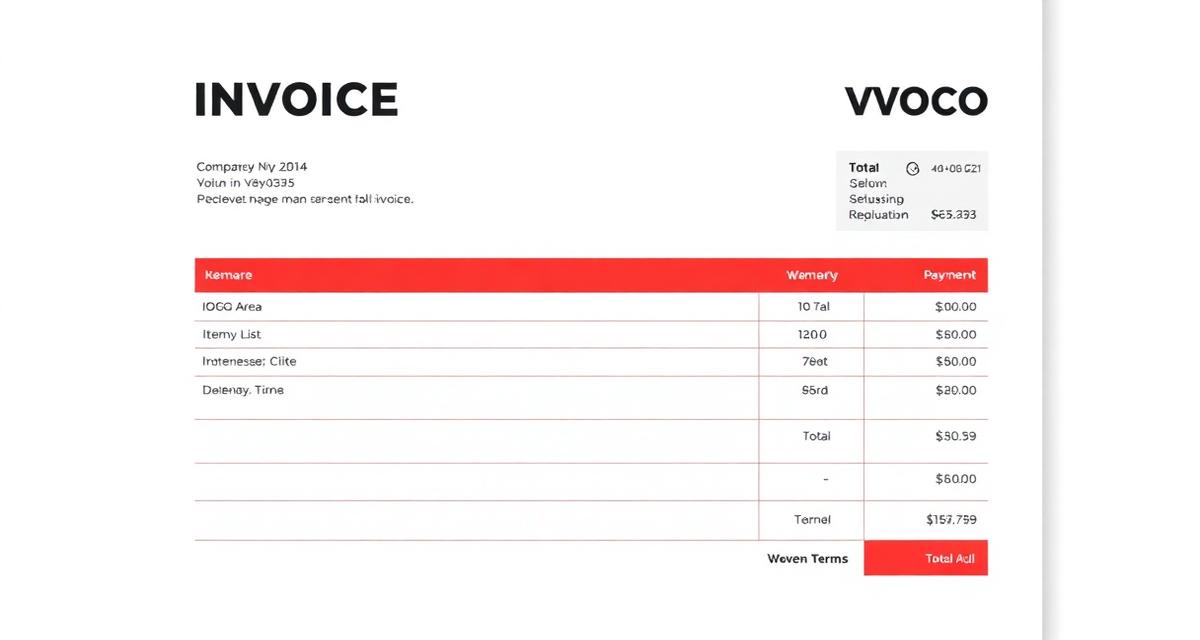
Payment terms: Net 15Net 15 — due 18 March 2026Payment due within 15 days of the invoice date (Net 15)
Always print the calculated calendar due date alongside "Net 15." Clients who don't recognise the shorthand file the invoice for later; a visible date goes into the payables queue. This single change typically shortens days-sales-outstanding more than shortening the term itself.
When Net 15 is the right term
Small invoices. Under about $2,000, most clients can approve within 15 days without an internal budgeting cycle.
- Small invoices. Under about $2,000, most clients can approve within 15 days without an internal budgeting cycle.
- New clients. A shorter first term tests whether they pay at all, before you take on a larger engagement.
- Tight cash cycles. Freelancers and small agencies paying contractors monthly need money in before payroll goes out.
- Recurring or retainer work. Invoice at the start of the period on Net 15 so the term closes well before the next invoice.
When Net 15 backfires
Enterprise and government clients. Many run fixed 30- or 45-day AP cycles; Net 15 is simply ignored and you have taught the client that your due dates are decorative.
- Enterprise and government clients. Many run fixed 30- or 45-day AP cycles; Net 15 is simply ignored and you have taught the client that your due dates are decorative.
- Invoices needing multi-level approval. If three people must sign off, 15 days is not a schedule, it's a hope.
- Where 2/10 Net 30 works better. An early-payment discount often gets you paid on day 10 while keeping a term the client's system accepts.
Net 15 vs Net 30 vs Due on Receipt
The full head-to-head, including the cash-flow maths, is in Net 30 vs Net 15 compared.
| Term | Due | Best for |
|---|---|---|
| Due on receipt | Immediately | One-off jobs, new or high-risk clients, deposits |
| Net 15 | 15 days | Small businesses, freelancers, recurring small invoices |
| Net 30 | 30 days | Corporate clients, larger projects, established relationships |
| 2/10 Net 30 | 30 days, 2% off if paid in 10 | Clients with cash who respond to discounts |
The full head-to-head, including the cash-flow maths, is in the invoice payment terms guide.
Making Net 15 actually work
Making Net 15 actually work includes: Agree the term in the quote or contract, before the work — not on the first invoice. Print the calculated due date, not just "Net 15.
- Agree the term in the quote or contract, before the work — not on the first invoice.
- Print the calculated due date, not just "Net 15."
- Attach a late fee clause; see invoice terms and conditions wording.
- Schedule reminders at day 10, day 16, and day 23 — see payment reminder email templates.
- Offer a payment method that clears fast; a 15-day term paid by mailed cheque is a 25-day term.
In Invoicemonk, Net 15 is a saved default: the due date calculates itself, the terms block attaches, and reminders fire on schedule without you tracking dates. Check pricing or see how it stacks up in our US invoicing software comparison.
Digital Marketing, SEO Specialist, Content Creator & Product Professional
Olayinka is a digital marketer, content creator, growth and SEO specialist with 10+ years helping businesses in Nigeria, the UK, the US, Australia, and Dubai achieve their goals online.