Business Invoicing Guide: Everything You Need to Know (2026)
Invoicing Mastery
Master the art of professional invoicing to get paid faster and look more professional.
Invoicing Mastery Series
This guide is part of a comprehensive series. Explore all 33 topics:
In 2026, 58% of businesses report that late payments significantly hurt their cash flow. Even more striking, the average invoice is now paid 8.3 days late. Invoicing is the lifeblood of any business—without a proper invoicing system, getting paid becomes unpredictable, cash flow suffers, and your professional image takes a hit.
Whether you're a freelancer sending your first invoice or a small business owner looking to streamline your billing process, this comprehensive guide will teach you everything you need to know about professional invoicing.
The State of Invoicing in 2026
Before diving into best practices, let's understand the current invoicing landscape:
Before diving into best practices, let's understand the current invoicing landscape:
- 58% of businesses say late payments are hurting their cash flow
- 83% of late payments are caused by invoice errors or client confusion
- Businesses using invoicing software get paid an average of 14 days faster
- Mobile invoicing grew 47% year-over-year in emerging markets
- 64% of freelancers cite cash flow as their top business concern
These statistics highlight why professional invoicing isn't optional—it's essential for business survival and growth.
What Is an Invoice and Why Does It Matter?
An invoice is a formal document that requests payment for goods or services provided. But it's much more than just a payment request—it's a legal record of a transaction, a reflection of your professionalism, and often the final impression a client has before deciding to pay you.
An invoice is a formal document that requests payment for goods or services provided. But it's much more than just a payment request—it's a legal record of a transaction, a reflection of your professionalism, and often the final impression a client has before deciding to pay you.
Think about it: after you've delivered excellent work, the invoice is the last touchpoint before payment. A professional, clear invoice reinforces the quality of your service. A confusing, incomplete invoice raises doubts and delays payment.
Beyond impressions, invoices serve critical business functions:
- Legal protection: Invoices create a paper trail that protects both you and your client
- Tax compliance: Proper invoices are essential for accurate tax reporting and audit readiness
- Cash flow management: Tracking invoices helps you forecast income and manage expenses
- Business analytics: Invoice data reveals which services are most profitable and which clients pay fastest
The Essential Components of a Professional Invoice
Every professional invoice should include these elements. Missing any of them can lead to confusion, payment delays, or even legal issues.
Every professional invoice should include these elements. Missing any of them can lead to confusion, payment delays, or even legal issues.
Your Business Information
Start with your complete business details: company name, logo, address, phone number, email, and website. If you're registered for VAT/GST or have a business registration number, include that too. This information establishes your legitimacy and makes it easy for clients to contact you with questions.
Client Information
Include the client's full name or company name, billing address, and contact person if applicable. Getting this right matters—invoices sent to the wrong person or department often go unpaid for weeks while they're forwarded to the correct recipient.
Invoice Number
Every invoice needs a unique identifier. This helps you track payments, reference specific invoices in communication, and maintain organized records for tax purposes. Most businesses use a sequential numbering system (INV-001, INV-002) or include date codes (INV-2026-01-001).
Invoice Date and Due Date
The invoice date is when you issue the invoice. The due date is when payment is expected. Be explicit about both. Vague terms like "payment upon receipt" are less effective than specific dates like "Due: February 15, 2026."
Itemized Description of Services or Products
List each item or service with a clear description, quantity, unit price, and line total. Clients are more likely to pay quickly when they understand exactly what they're paying for. For services, include dates of work and brief descriptions of deliverables.
Subtotal, Taxes, and Total Amount Due
Show the subtotal before taxes, then list applicable taxes (VAT, sales tax, GST), and finally the total amount due. Make the total prominent—it should be the most visible number on your invoice.
Payment Terms and Methods
Specify accepted payment methods (bank transfer, credit card, mobile money) and include necessary details like bank account numbers or payment links. The easier you make it to pay, the faster you'll receive payment.
Choosing the Right Payment Terms
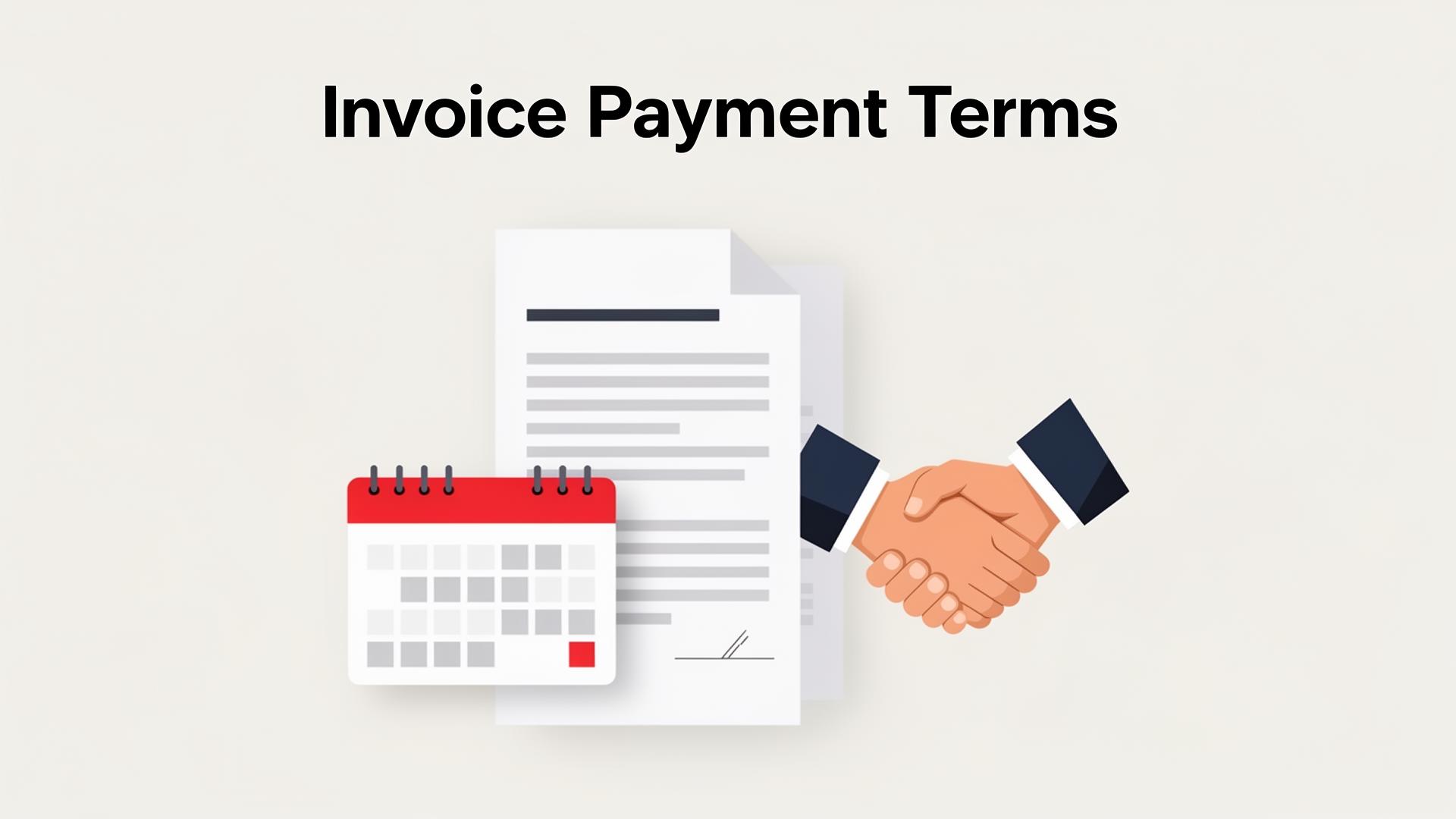
Payment terms define when and how you expect to be paid.
Payment terms define when and how you expect to be paid. Common options include:
- Due on Receipt: Payment expected immediately upon receiving the invoice
- Net 15/30/60: Payment due within 15, 30, or 60 days of the invoice date
- 2/10 Net 30: 2% discount if paid within 10 days, otherwise full amount due in 30 days
- 50% Deposit: Half payment upfront, balance upon completion
- Milestone Payments: Payments tied to project deliverables
The right terms depend on your industry, relationship with the client, and cash flow needs. Shorter terms improve cash flow but may not be standard in your industry. Longer terms are client-friendly but increase your risk.
For new clients, consider requiring a deposit or shorter payment terms until you've established trust. For ongoing relationships, Net 30 is common and reasonable for most industries.
Invoice Numbering Systems That Scale
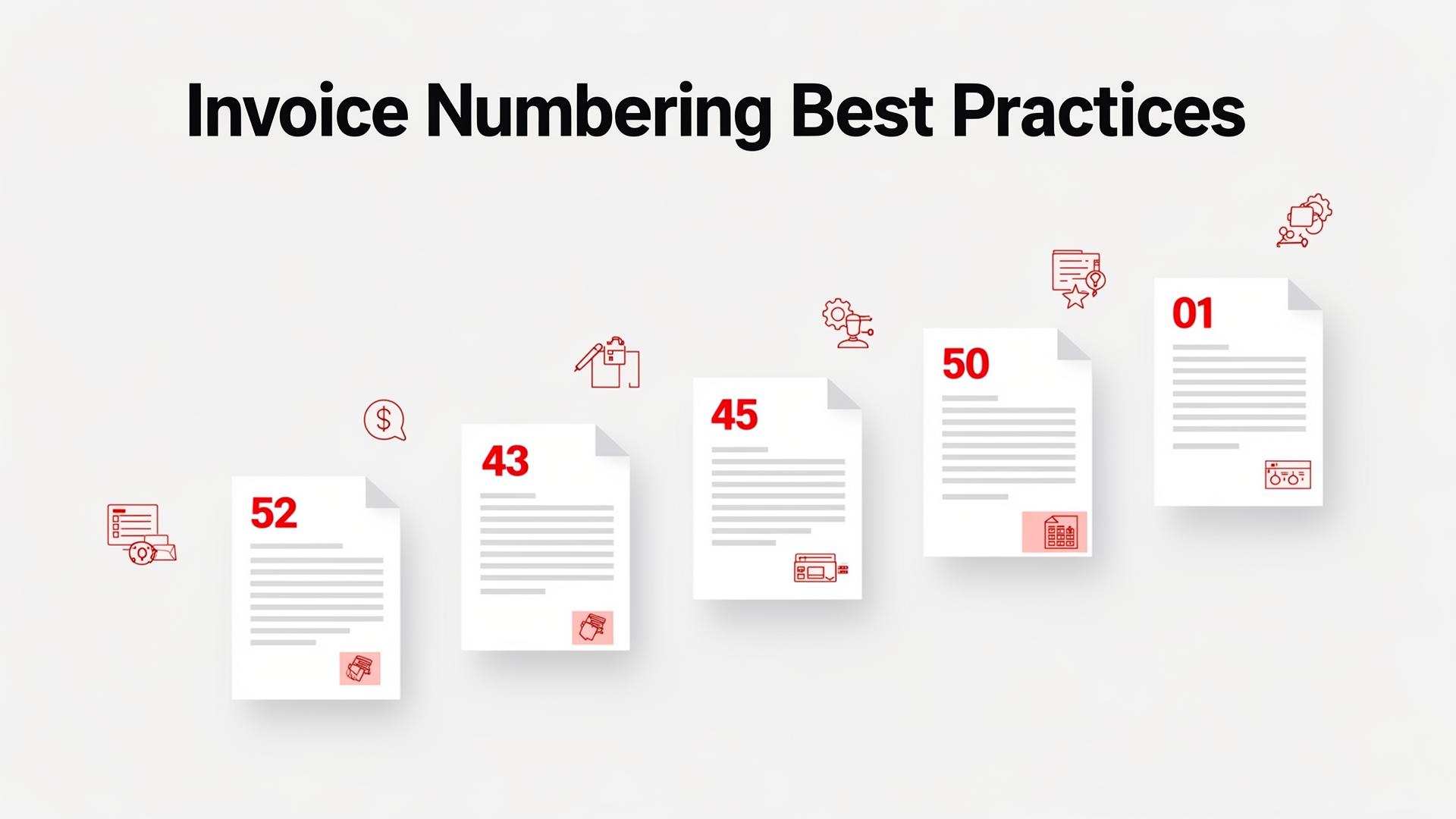
A good numbering system keeps you organized as your business grows.
A good numbering system keeps you organized as your business grows. Here are proven approaches:
- Sequential: Simply count up (001, 002, 003). Simple but doesn't convey any information.
- Date-based: Include year and month (2026-01-001). Helps you quickly identify when an invoice was issued.
- Client-coded: Include a client identifier (ABC-001). Useful when you invoice the same clients regularly.
- Project-based: Reference project codes (PROJ-A-001). Ideal for project-based work with multiple invoices per project.
Whatever system you choose, be consistent. Never reuse invoice numbers, and don't skip numbers without documenting why (voided invoices, for example).
Common Invoicing Mistakes and How to Avoid Them
Even experienced business owners make invoicing mistakes.
Even experienced business owners make invoicing mistakes. Here are the most common ones and how to prevent them:
Delaying Invoice Sending
The longer you wait to send an invoice, the longer you wait to get paid. Invoice immediately upon completing work or delivering goods. Using invoicing software makes this easy—you can create and send invoices in minutes.
Vague Descriptions
Don't write "consulting services - $5,000." Instead, specify: "Strategic marketing consultation (20 hours @ $250/hr), January 1-15, 2026, including competitive analysis report and 90-day action plan." Clear descriptions prevent disputes and speed up approval.
Missing or Incorrect Information
Double-check client names, addresses, and amounts before sending. Errors require corrections, which delay payment and look unprofessional.
Unclear Payment Instructions
If clients don't know how to pay you, they won't. Include complete payment details: bank name, account number, sort code, payment reference, or direct payment links.
Not Following Up
Many businesses send invoices and then wait passively. Set up a follow-up system: a friendly reminder a few days before due date, a polite notice on the due date, and increasingly firm reminders after that.
How Invoicing Software Transforms Your Business
Manual invoicing—using spreadsheets or word processors—works when you're small. But as your business grows, the limitations become painful.
Manual invoicing—using spreadsheets or word processors—works when you're small. But as your business grows, the limitations become painful. You spend hours on admin work, mistakes creep in, and tracking payments becomes a nightmare.
Professional invoicing software solves these problems:
- Templates: Create invoices in minutes with your branding and saved details
- Automation: Schedule recurring invoices for regular clients
- Tracking: Know instantly which invoices are paid, pending, or overdue
- Reminders: Automatic payment reminders reduce awkward follow-up conversations
- Reporting: See your revenue, outstanding amounts, and client payment patterns
- Tax compliance: Generate tax reports and maintain audit-ready records
The time saved alone justifies the investment. But the real value is in better cash flow, fewer missed payments, and more time focusing on what you do best.
Tax Considerations for Invoices
Invoices aren't just business documents—they're tax documents. Getting them right is essential for compliance and maximizing deductions.
Invoices aren't just business documents—they're tax documents. Getting them right is essential for compliance and maximizing deductions.
Tax Identification
Include your tax identification number on invoices. Depending on your jurisdiction, this might be a VAT number, GST number, TIN, or other business registration.
Tax Calculations
Show tax calculations clearly. List the taxable amount, tax rate, tax amount, and total. If different items have different tax rates (common with mixed goods and services), break these out separately.
Record Retention
Keep copies of all invoices for the period required by your tax authority—typically 5-7 years. Digital records are acceptable in most jurisdictions, but ensure they're backed up securely.
Currency and Exchange Rates
If you invoice in foreign currencies, document the exchange rate used for tax reporting purposes. Many jurisdictions require you to report income in your local currency.
Strategies to Get Paid Faster
Beyond having professional invoices, these strategies accelerate payment:
Beyond having professional invoices, these strategies accelerate payment:
- Offer early payment discounts: "2% off if paid within 10 days" motivates quick payment
- Accept multiple payment methods: The easier it is to pay, the faster you'll get paid
- Send invoices immediately: Don't let invoices pile up at month-end
- Build relationships: Clients prioritize paying people they like and respect
- Be professional about collections: Polite persistence works better than aggressive demands
- Consider deposits for new clients: Reduce risk by collecting partial payment upfront
For more detailed strategies, see our guide on getting paid faster.
Building Your Invoicing System
A complete invoicing system includes more than just sending invoices.
A complete invoicing system includes more than just sending invoices. Here's what you need:
- Invoice templates: Branded, professional templates for different types of work
- Client database: Store client information for quick invoice creation
- Tracking system: Know the status of every invoice at a glance
- Follow-up workflow: Systematic reminders for overdue invoices
- Payment reconciliation: Match payments to invoices efficiently
- Reporting: Understand your cash flow and client payment patterns
You can build this system manually, but invoicing software like Invoicemonk provides all these components in one integrated platform, saving you time and reducing errors.
Industry-Specific Invoicing Considerations
Different industries have different invoicing norms and requirements:
Different industries have different invoicing norms and requirements:
Freelancers and Consultants
Track hours carefully and provide detailed descriptions of work. Consider using project-based pricing for clearer expectations. Learn more in our freelancer business guide.
Contractors and Trades
Include material costs separately from labor. Use progress billing for larger projects. Document change orders carefully. See our contractor-specific guidance.
Retail and E-commerce
Issue receipts for immediate transactions, invoices for credit sales. Include product codes and detailed descriptions for easy reference.
Professional Services
Firms often use retainer billing with monthly reconciliation. Include matter or case references for client accounting departments.
Next Steps: Implement Professional Invoicing Today
Don't let poor invoicing practices hold your business back.
Don't let poor invoicing practices hold your business back. Here's how to get started:
- Audit your current invoices against the best practices in this guide
- Create or update your invoice template with all essential elements
- Establish clear payment terms and communicate them to clients
- Set up a tracking system for invoice status and follow-ups
- Consider professional invoicing software to automate and streamline the process
Professional invoicing isn't just about getting paid—it's about building a business that runs smoothly, maintains strong client relationships, and positions you for growth.
Related Resources
Continue building your invoicing and business finance knowledge:
- How to Create the Perfect Invoice Template
- 5 Essential Elements of an Invoice
- The Ultimate Guide to Getting Paid Faster
Frequently Asked Questions
What is the cheapest mobile payment solution for small businesses?
QR code-based payments are typically the cheapest option, with fees of 0 percent to 1.5 percent and no hardware costs.
For card-based mobile payments, providers like SumUp offer competitive rates around 1.69 percent per transaction in many markets. The cheapest option depends on your transaction volume and average sale amount.
Do I need special hardware to accept mobile payments?
Not necessarily — QR codes and invoice-based mobile payments need only a smartphone.
QR code payments and invoice-based mobile payments require no hardware, just a smartphone. For contactless card payments (Apple Pay, Google Pay), you need an mPOS reader, typically $0-$59. Some newer smartphones can accept tap-to-pay directly without additional hardware.
Are mobile payments secure for small businesses?
Yes — reputable mobile payment providers use encryption and tokenization that meet card industry security standards.
Card networks require PCI-DSS compliance from any provider that processes card data, and mobile wallets add a further layer of security by never sharing your actual card number with the merchant. Choosing an established provider matters more than the specific payment method.
Can I accept mobile payments without a merchant account?
Yes — most mobile payment apps and payment links act as your merchant account, so no separate setup is required.
Providers like SumUp, Square, and PayPal bundle merchant processing into their app, so you can start accepting payments the same day you sign up, without negotiating a separate merchant agreement with a bank.
Frequently Asked Questions
What are the essential elements of a professional invoice?
A professional invoice must include: your business name and contact details, client information, unique invoice number, invoice date and due date, itemized list of products/services with quantities and prices, subtotal and total amounts, applicable taxes, and accepted payment methods.
Learn more: Invoice EssentialsHow do I number my invoices correctly?
Use a sequential numbering system that's easy to track. Common formats include: simple sequential (001, 002, 003), date-based (2024-001), or client-prefixed (ABC-001). The key is consistency—never reuse invoice numbers.
Learn more: Invoice TemplatesWhen should I send an invoice?
For project work, send invoices immediately upon completion or at agreed milestones. For recurring services, establish a consistent schedule (weekly, monthly). The sooner you invoice, the faster you get paid.
Learn more: Get Paid FasterWhat payment terms should I use?
Common payment terms include Net 15, Net 30, or Due Upon Receipt. For new clients, shorter terms reduce risk. Consider offering early payment discounts (2/10 Net 30) to incentivize faster payments.
Learn more: Invoice NumberingHow do I handle international invoicing?
For international clients, include: currency specification, your international bank details (IBAN, SWIFT), applicable tax information, and ensure compliance with both your country's and your client's tax regulations.
Learn more: Payment TermsTable of Contents
Explore the Invoicing Mastery Series
33 articles to master this topic

How to Get Paid Faster: 11 Cash Flow Strategies for Small Business (2026)
Stop chasing late invoices. These 11 proven strategies help small businesses get paid 10–15 days faster — from payment terms to automation. Used by 10,000+ businesses.
17 min read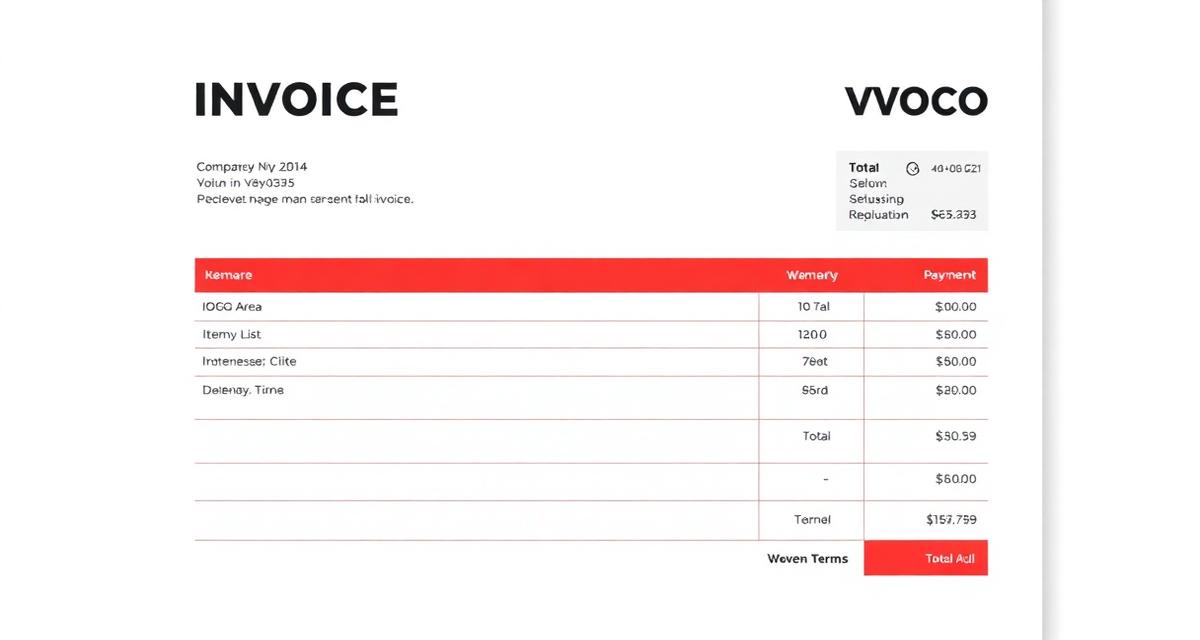
Invoicemonk Template – How to Create a Perfect Invoice Template
Master the art of creating professional invoice templates that help you get paid faster and look more professional.
6 min read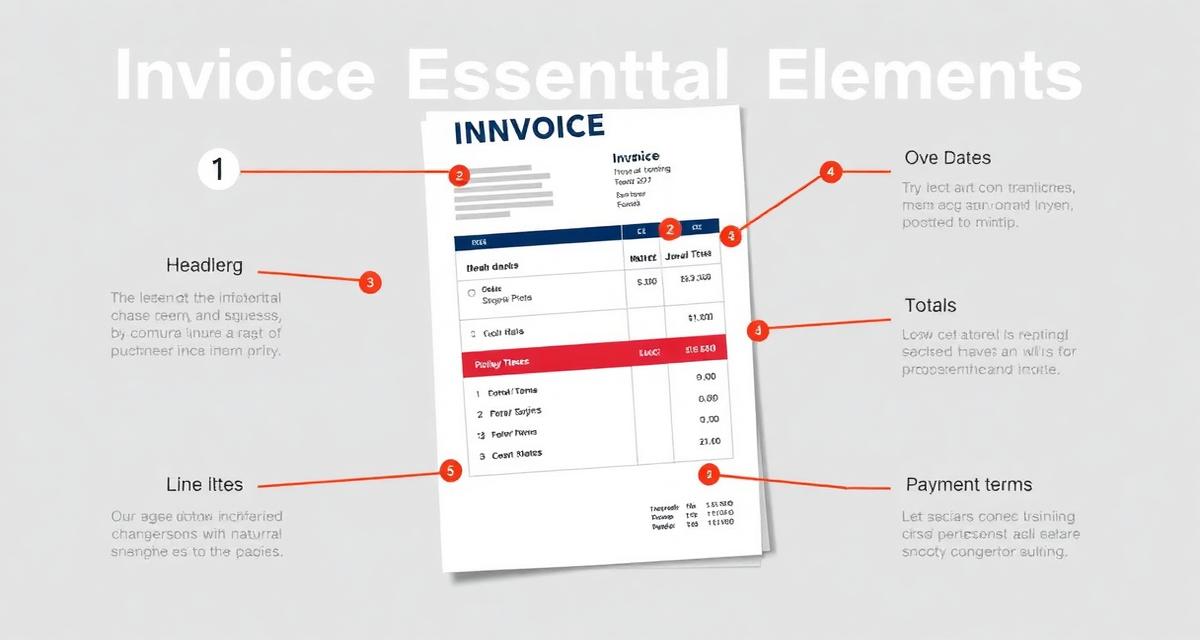
5 Essential Elements of an Invoice (2026 Checklist)
Missing one element can delay payment by weeks. Here are the 5 things every invoice needs — plus 3 optional elements that make you look professional. Free checklist included.
5 min readDigital Marketing, SEO Specialist, Content Creator & Product Professional
Olayinka is a digital marketer, content creator, growth and SEO specialist with 10+ years helping businesses in Nigeria, the UK, the US, Australia, and Dubai achieve their goals online.