Invoice Numbering: Best Practices & Systems That Scale (2026)
Invoicing Mastery Series
This guide is part of a comprehensive series. Explore all 33 topics:
A well-designed invoice numbering system is the backbone of organized business finances. It helps you track payments, stay compliant, and maintain professional records that hold up during audits. Yet many business owners overlook this fundamental aspect of their invoicing process, leading to confusion, compliance issues, and wasted time searching for specific invoices.
Why Invoice Numbering Matters More Than You Think
Invoice numbers serve multiple critical purposes that extend far beyond simple identification:
Invoice numbers serve multiple critical purposes that extend far beyond simple identification:
- Unique Identification: Each invoice needs a distinct identifier so you can reference it in communications, track its status, and link it to payments
- Legal Compliance: Most tax authorities require sequential, unique invoice numbers for VAT/GST reporting and audit trails
- Payment Tracking: When a client pays, you need to match that payment to the correct invoice quickly
- Audit Readiness: Auditors expect to see a logical, consistent numbering system with no gaps or duplicates
- Client Communication: When discussing billing with clients, clear invoice numbers prevent confusion
Without a proper system, you risk issuing duplicate invoice numbers, creating gaps that raise audit red flags, or spending hours searching for specific invoices when clients call with questions.
Popular Invoice Numbering Systems
There's no single "correct" way to number invoices, but some approaches work better depending on your business type and volume.
There's no single "correct" way to number invoices, but some approaches work better depending on your business type and volume. Here are the most effective systems:
Sequential Numbering
The simplest approach: start at 001 (or 0001 for higher volumes) and increment by one for each invoice. Format: INV-001, INV-002, INV-003.
Pros: Simple to understand and implement. Makes it easy to know your total invoice count.
Cons: Doesn't convey any information about timing. New businesses might not want to reveal they're on invoice #003.
Best for: Small businesses with low invoice volume who want simplicity.
Date-Based Numbering
Include the year, month, or full date in your invoice number. Format: 2026-01-001 or 20260131-001.
Pros: Immediately shows when the invoice was created. Helps with chronological organization and year-end accounting.
Cons: Numbers get longer. If you issue multiple invoices daily, you need an additional sequential component.
Best for: Businesses that need to quickly identify invoice timing, especially those with seasonal patterns.
Client-Coded Numbering
Include a client identifier in each invoice number. Format: ABC-001, ACME-001, SMITH-003.
Pros: Quickly identify which client an invoice belongs to. Useful for tracking client-specific payment patterns.
Cons: Requires maintaining consistent client codes. Gets complex with many clients.
Best for: Service businesses with repeat clients who receive multiple invoices over time.
Project-Based Numbering
Include project codes for businesses that invoice by project. Format: PROJ-A-001, WEB-REDESIGN-002.
Pros: Perfect for project-based work with multiple invoices per project. Simplifies project accounting.
Cons: Requires careful project code management. May create confusion if codes aren't standardized.
Best for: Agencies, contractors, and consultants who work on defined projects.
Hybrid Systems
Combine elements for the best of multiple approaches. Format: 2026-ABC-001 (year + client + sequence).
Pros: Maximum information at a glance. Highly flexible.
Cons: Longer invoice numbers. More complex to implement manually.
Best for: Growing businesses that need detailed tracking and use invoicing software to manage complexity.
Rules for Effective Invoice Numbers
Whichever system you choose, follow these essential rules:
Whichever system you choose, follow these essential rules:
- Never Reuse Invoice Numbers: This is non-negotiable. Each invoice must have a unique number, even if you void the original. If you need to cancel invoice #100, void it and issue #101 as the replacement.
- Use Leading Zeros: Start with 001 or 0001 rather than 1. This ensures proper sorting in spreadsheets and software (otherwise 10 comes before 2 alphabetically).
- Avoid Special Characters: Stick to numbers, letters, and hyphens. Avoid spaces, slashes, or symbols that might cause issues in accounting software or file systems.
- Don't Start at 001: If you're a new business and don't want to advertise that you're on invoice #003, there's nothing wrong with starting at a higher number like 1001. Just be consistent from then on.
- Document Your System: Write down your numbering rules and share them with anyone who might create invoices. Consistency is key.
- Plan for Growth: If you're at 0001 today, will you still be under 9999 in ten years? Think ahead and leave room to grow.
Handling Voided and Cancelled Invoices
What happens when you need to cancel an invoice? The key rule is never to delete or reuse invoice numbers.
What happens when you need to cancel an invoice? The key rule is never to delete or reuse invoice numbers. Instead:
- Mark the invoice as "Voided" or "Cancelled"
- Document why it was cancelled
- Issue a new invoice with the next sequential number
- Keep the voided invoice in your records for audit purposes
If the invoice was already paid and you need to adjust amounts, issue a credit note instead of voiding the original invoice.
Invoice Numbering for Multiple Business Lines
If you run multiple business lines or have separate product/service categories, you might want distinct numbering series.
If you run multiple business lines or have separate product/service categories, you might want distinct numbering series. For example:
- CONS-001 for consulting invoices
- PROD-001 for product sales
- RET-001 for retainer agreements
This approach helps with internal reporting and makes it easier to analyze revenue by business line. Just ensure each series remains sequential and unique within its category.
Common Mistakes to Avoid
Learn from others' mistakes:
- Reusing numbers after deletion: This creates audit problems and potential legal issues
- Inconsistent formats: Switching between systems mid-year creates confusion
- Manual numbering without tracking: If you're not using software, maintain a simple log of issued invoice numbers
- Gaps without documentation: Unexplained gaps in sequences raise red flags during audits
- Overly complex systems: Your numbering should be easy to understand and maintain
Let Software Handle the Complexity
While understanding numbering principles is valuable, the easiest solution is to use professional invoicing software that handles numbering automatically.
While understanding numbering principles is valuable, the easiest solution is to use professional invoicing software that handles numbering automatically. Good software will:
- Generate sequential numbers without duplicates
- Allow you to customize your preferred format
- Track voided invoices properly
- Prevent accidental reuse of numbers
- Maintain audit-ready records
This eliminates human error and frees you to focus on your actual business rather than administrative details.
Legal Requirements by Country
Tax authorities treat invoice numbering as a compliance signal.
Tax authorities treat invoice numbering as a compliance signal. Here's what regulators in major markets require:
| Country | Authority | Requirements |
|---|---|---|
| Australia | ATO | Each tax invoice must be uniquely identifiable. Sequential numbering is recommended. |
| Canada | CRA | Unique invoice identification required. No specific format mandated. |
| European Union | VAT Directive | Sequential numbering mandatory for VAT invoices. Must be unique within each series. |
| India | GST Council | Unique, sequential, max 16 characters. Financial year series allowed. No gaps. |
| Kenya | KRA | eTIMS generates serial numbers automatically. Manual invoices need sequential numbers. |
| United Kingdom | HMRC | Unique sequential number. VAT invoices must follow an unbroken sequence. |
| United States | IRS | No specific format mandated, but unique identifiers are recommended for audit trails. |
If you invoice clients across borders, your numbering system has to satisfy the strictest jurisdiction in the mix — usually an EU country. Build for that and you're covered everywhere.
Credit Notes: A Separate Sequence
Credit notes should follow their own sequential series, distinct from your invoice numbers. This keeps both audit trails clean and prevents accidental collisions.
Credit notes should follow their own sequential series, distinct from your invoice numbers. This keeps both audit trails clean and prevents accidental collisions. Common formats:
CN-001, CN-002...CR-2026-001, CR-2026-002...
Always reference the original invoice number on the credit note for traceability. For the full process, see our credit notes and invoice corrections guide.
FAQ
Can I start invoice numbers from any number?
Yes. You can start at INV-1001 instead of INV-001 — some businesses do this deliberately to avoid signalling that they're brand new.
Yes. You can start at INV-1001 instead of INV-001 — some businesses do this deliberately to avoid signalling that they're brand new. The only rule is that the sequence must be continuous from your starting point. No gaps allowed in most jurisdictions.
What happens if I skip an invoice number?
Gaps in your invoice sequence can trigger red flags during a tax audit. If you void an invoice, keep the number in your records and mark it "VOID" or "CANCELLED" — don't reuse it and don't skip to the next one.
Gaps in your invoice sequence can trigger red flags during a tax audit. If you void an invoice, keep the number in your records and mark it "VOID" or "CANCELLED" — don't reuse it and don't skip to the next one. If the original was already sent to the client, issue a credit note instead of voiding it.
Next Steps
If you're currently using an informal numbering system (or no system at all), now is the time to implement one properly. Choose a format that fits your business, document your rules, and stick to them consistently. Your future self—and your accountant—will thank you.
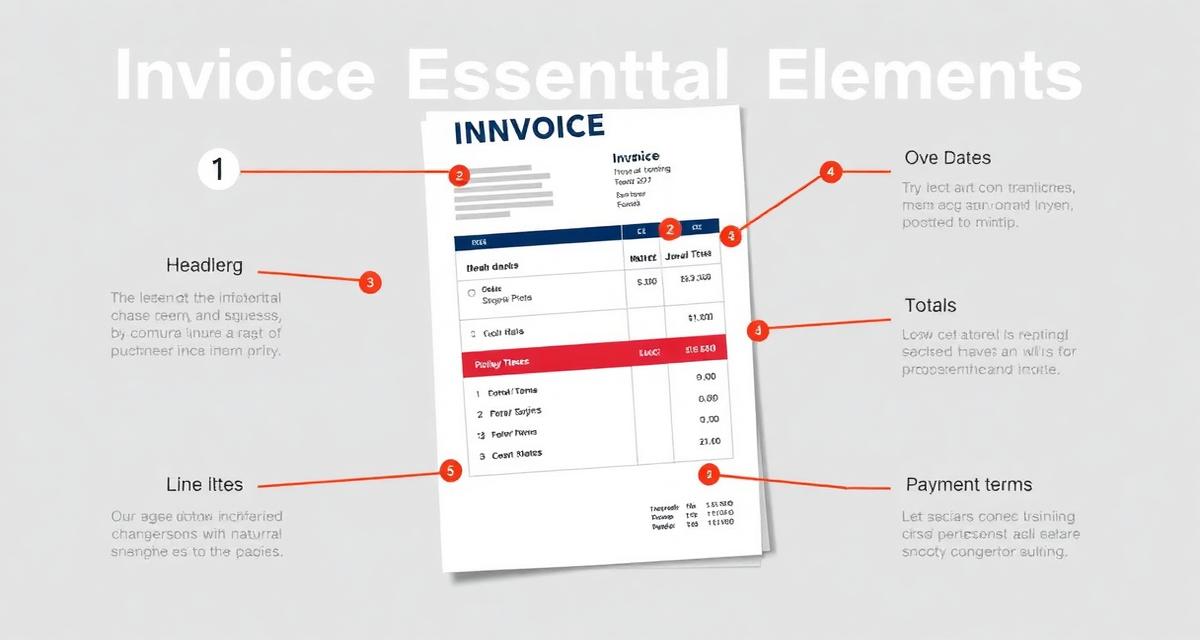
For more on creating professional invoices, see our guide to essential invoice elements and learn how to create perfect invoice templates.
More in this series (33 articles)
From this series
Master the art of professional invoicing to get paid faster and look more professional.
Related Topics
Digital Marketing, SEO Specialist, Content Creator & Product Professional
Olayinka is a digital marketer, content creator, growth and SEO specialist with 10+ years helping businesses in Nigeria, the UK, the US, Australia, and Dubai achieve their goals online.