Credit Notes & Invoice Corrections: When to Issue One (with VAT/GST Examples)
Invoicing Mastery Series
This guide is part of a comprehensive series. Explore all 33 topics:
Billing errors happen to every business eventually. A calculation mistake, a returned product, or an agreed-upon discount applied after the original invoice was sent—these situations require corrections. But you can't simply delete an invoice and pretend it never existed. That creates accounting chaos and potential tax compliance issues.
This guide explains how to properly correct billing errors using credit notes and invoice corrections. You'll learn when to use each method, what information to include, and how to maintain audit-ready records throughout the process.
What Is a Credit Note?
A credit note (also called a credit memo) is an official document that reduces or cancels the amount owed on a previously issued invoice. It's essentially a "negative invoice" that offsets all or part of the original charge.
A credit note (also called a credit memo) is an official document that reduces or cancels the amount owed on a previously issued invoice. It's essentially a "negative invoice" that offsets all or part of the original charge.
Credit notes are legally recognized documents that serve several important purposes:
- Maintains Audit Trail: Shows the original charge and the subsequent correction
- Tax Compliance: Properly adjusts VAT/GST/sales tax records
- Customer Communication: Provides clear documentation of the adjustment
- Accounting Accuracy: Keeps your books balanced and reconcilable
When to Issue a Credit Note
Credit notes are appropriate in several common situations:
Credit notes are appropriate in several common situations:
Returns and Refunds
When a customer returns goods that were invoiced, issue a credit note for the returned items. This adjusts your revenue recognition and inventory records while giving the customer documentation of the credit.
Price Adjustments After Invoice
If you agreed to a discount or price reduction after the original invoice was sent, a credit note documents the adjustment. This is common when negotiating with customers who question pricing after receiving their bill.
Calculation Errors
When you discover a mathematical error—quantity times price doesn't match the extended amount, tax was calculated incorrectly, or items were double-counted—a credit note corrects the record while showing what happened.
Services Not Delivered
If you invoiced for work that ultimately wasn't completed (project cancelled, scope reduced, etc.), issue a credit note rather than simply not collecting on the original invoice.
Duplicate Billing
If you accidentally sent the same invoice twice or invoiced for the same work/goods twice, a credit note cancels the duplicate charge.
Credit Note vs. Voiding an Invoice
These two correction methods serve different purposes:
These two correction methods serve different purposes:
| Credit Note | Voided Invoice |
| Customer has already received and possibly recorded the original invoice | Invoice was sent in error before customer processed it |
| Partial adjustments needed | Entire invoice is invalid |
| Creates new document referencing original | Marks original as void in your system |
| Always appropriate when in doubt | Only appropriate for quick corrections before customer action |
When in doubt, use a credit note. It creates clearer documentation and is always acceptable to auditors and tax authorities, while voided invoices can raise questions if not handled precisely.
Essential Elements of a Credit Note
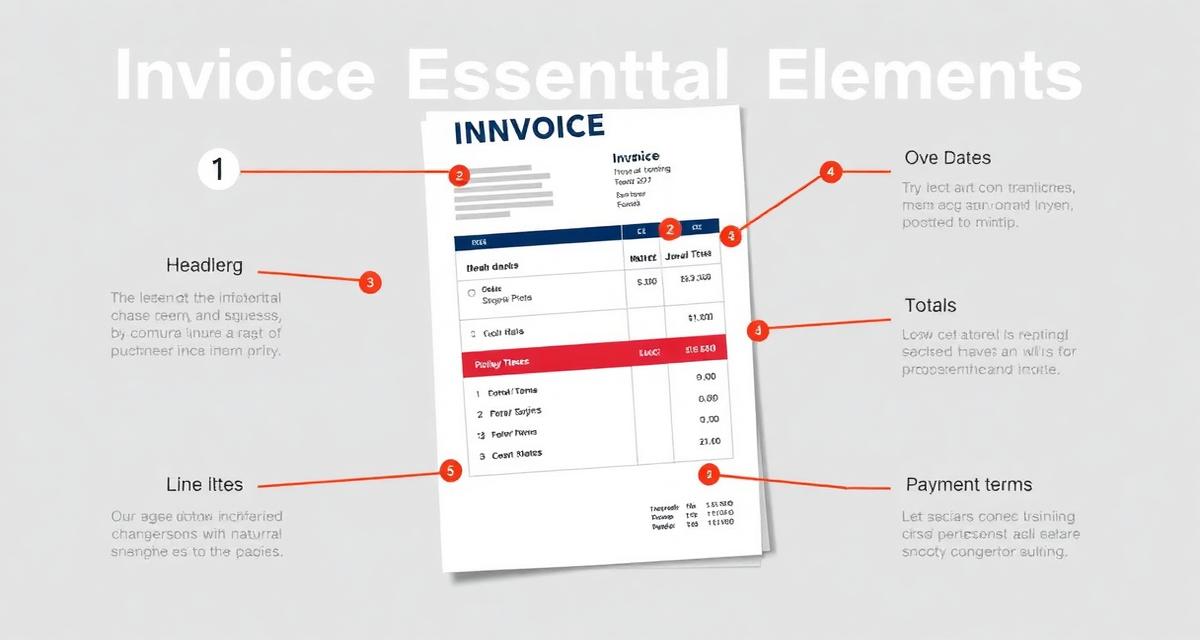
A properly formatted credit note must include:
A properly formatted credit note must include:
- Clear Identification: Label it prominently as "Credit Note" or "Credit Memo"
- Unique Credit Note Number: Sequential numbering separate from invoices (e.g., CN-001)
- Original Invoice Reference: The invoice number, date, and amount being adjusted
- Issue Date: When the credit note was created
- Your Business Details: Name, address, tax registration numbers
- Customer Details: Matching the original invoice
- Itemized Adjustments: Each line item being credited, with quantities and amounts
- Reason for Credit: Brief explanation (return, error, agreed discount, etc.)
- Tax Adjustments: If the original invoice included tax, show the tax being credited
- Total Credit Amount: The net amount being applied to the customer's account
The Credit Note Process: Step by Step
The Credit Note Process: Step by Step includes: Identify the Issue: Determine exactly what needs correcting and verify with documentation (return receipt, email agreement, etc. ).
- Identify the Issue: Determine exactly what needs correcting and verify with documentation (return receipt, email agreement, etc.).
- Calculate the Adjustment: Determine the exact amount to credit, including any tax implications.
- Create the Credit Note: Use your invoicing software or template to generate the document with all required elements.
- Link to Original Invoice: Ensure the credit note clearly references the original invoice number.
- Send to Customer: Deliver the credit note just as you would an invoice—email is typically sufficient.
- Apply to Account: Update your accounts receivable to reflect the credit.
- File Documentation: Keep the credit note with the original invoice and any supporting documentation.
Tax and Accounting Implications
Credit notes affect your tax reporting in important ways:
Credit notes affect your tax reporting in important ways:
VAT/GST Adjustments
If you charged VAT, GST, or sales tax on the original invoice, your credit note must also adjust the tax. The credit reduces your tax liability for that period. Most tax authorities require credit notes to show the tax adjustment separately.
Revenue Recognition
In accrual accounting, the credit note reduces revenue in the period it's issued (not necessarily the period of the original invoice). Consult your accountant about the proper treatment for your situation.
Record Keeping Requirements
Keep credit notes for the same retention period as invoices—typically 5-7 years depending on your jurisdiction. Store them with the original invoices they reference for easy audit reference.
Country-Specific VAT/GST Requirements
Tax authorities have specific rules for credit notes — getting them wrong can invalidate your VAT/GST adjustment:
Tax authorities have specific rules for credit notes — getting them wrong can invalidate your VAT/GST adjustment:
- India (GST): Credit notes must be issued before the return filing deadline (30 November of the following financial year) and reported in GSTR-1. They must reference the original invoice IRN.
- UK (VAT): HMRC requires credit notes to be issued within 14 days of the event triggering the credit. The credit note must show the VAT being reversed separately.
- Nigeria (FIRS): Credit notes must reference the original invoice IRN and be reported via TaxPro-Max under the e-invoicing regime.
- EU countries: Credit notes are mandatory for any post-invoice price reduction and must follow the same format requirements as the original invoice — including sequential numbering and the customer's VAT ID.
When you issue a credit note, your output tax decreases for the period and the buyer must reverse the input tax credit they claimed on the original invoice. Both parties report the adjustment in their respective VAT/GST returns.
Full vs Partial Credit Notes
Full credit note
Cancels the entire original invoice. Use when the entire order was returned, the invoice was a complete duplicate, or the project was cancelled entirely. The credit note amount equals the original invoice total including tax.
Partial credit note
Adjusts only part of the original invoice. Use when one item was returned from a multi-item order, a pricing error affected only some line items, or a discount is applied retroactively to specific items. The credit note shows only the items being adjusted, with the corresponding tax recalculation.
Credit Note vs Debit Note
Credit Note vs Debit Note — Credit Note: Seller — Reduces the amount the buyer owes.
| Document | Issued by | Purpose |
|---|---|---|
| Credit Note | Seller | Reduces the amount the buyer owes |
| Debit Note | Buyer | Formally requests a reduction (triggers the seller to issue a credit note) |
Generate compliant credit notes in seconds
Invoicemonk creates a credit note from any existing invoice in one click — with the original invoice reference, sequential CN numbering, and the correct VAT/GST reversal already filled in.
Try Invoicemonk →Common Credit Note Mistakes to Avoid
Common Credit Note Mistakes to Avoid includes: Not Referencing the Original Invoice: A credit note without clear linkage to the original invoice creates reconciliation problems. Incorrect Tax Calculation: The tax credit should match the tax rate on the original invoice.
- Not Referencing the Original Invoice: A credit note without clear linkage to the original invoice creates reconciliation problems.
- Incorrect Tax Calculation: The tax credit should match the tax rate on the original invoice.
- Missing Documentation: Keep evidence of why the credit was issued (return authorization, email agreement, etc.).
- Delayed Issuance: Issue credit notes promptly—delays create customer confusion and accounting timing issues.
- Not Communicating with the Customer: Always send the credit note to the customer, even if they're not expecting a refund payment.
Using Invoicemonk for Credit Notes
Invoicemonk simplifies the credit note process:
Invoicemonk simplifies the credit note process:
- One-Click Credit Note Creation: Generate a credit note directly from any existing invoice
- Automatic Linking: Credit notes are automatically tied to original invoices in your records
- Tax Calculation: Tax adjustments are calculated automatically based on the original invoice
- Customer Communication: Send credit notes through the same professional templates as invoices
- Account Balance Tracking: Credit notes automatically update customer account balances
Related Resources
More in this series (33 articles)
From this series
Master the art of professional invoicing to get paid faster and look more professional.
Related Topics
Digital Marketing, SEO Specialist, Content Creator & Product Professional
Olayinka is a digital marketer, content creator, growth and SEO specialist with 10+ years helping businesses in Nigeria, the UK, the US, Australia, and Dubai achieve their goals online.