What Is an Invoice? Definition, Types & Real Examples (2026 Guide)
Invoicing Mastery Series
This guide is part of a comprehensive series. Explore all 33 topics:
If you're starting a business, freelancing, or simply trying to understand business finances, you've probably encountered the word "invoice." But what exactly is an invoice, and why is it so important? According to Atradius, 48% of invoices issued by businesses are paid late — and a significant cause is incomplete or unclear invoices. This definitive guide gives you a clear, complete understanding of invoices — what they are, how they work, real-world examples, every type explained, and when to use each one.
Definition: What Is an Invoice?
An invoice is a formal document sent by a seller to a buyer that itemizes products or services provided and requests payment. Think of it as an official payment request that serves as both a communication tool and a legal record of a transaction.
An invoice is a formal document sent by a seller to a buyer that itemizes products or services provided and requests payment. Think of it as an official payment request that serves as both a communication tool and a legal record of a transaction.
At its core, an invoice answers four essential questions:
- Who is requesting payment (your business)
- Who owes the payment (your customer or client)
- What was provided (products or services)
- How much is owed and when it's due
In accounting terms, issuing an invoice creates an accounts receivable entry — money owed to your business that you expect to collect. For the buyer, the same document creates an accounts payable entry — money they owe and need to pay. Unlike a quote or estimate (which proposes a price before work begins), an invoice represents a legal obligation to pay for work that has already been completed or goods that have already been delivered. In many jurisdictions, an invoice is a legally enforceable document — particularly when it includes specific elements like a unique number, tax identification, and clear payment terms.
Why Do Invoices Matter?
Invoices aren't just formalities — they serve critical functions for your business:
Invoices aren't just formalities — they serve critical functions for your business:
1. Legal Protection
An invoice creates a documented record of what was agreed upon and delivered. If there's ever a dispute about payment or services, your invoice serves as evidence of the transaction. In most jurisdictions, an invoice is a legally enforceable document — particularly when it includes a unique number, tax identification, and clear payment terms.
2. Getting Paid
This might seem obvious, but without a formal invoice, getting paid becomes much harder. A well-structured invoice gives clients all the information they need to process payment quickly.
3. Tax Compliance
Tax authorities worldwide require documentation of business income and expenses. In VAT/GST countries, you generally cannot claim tax credits without a valid tax invoice. Invoices provide the paper trail needed for accurate tax reporting and audit readiness. See our compliance guides for country-specific requirements.
4. Business Organization
Invoices help you track what you've sold, to whom, and whether you've been paid. This data is essential for cash flow management and business planning.
5. Professional Image
A well-designed invoice reflects professionalism and builds trust with clients. It's often the last impression before payment, reinforcing the quality of your work. Research shows that branded invoices get paid up to 3x faster than generic ones.
Real-World Invoice Example
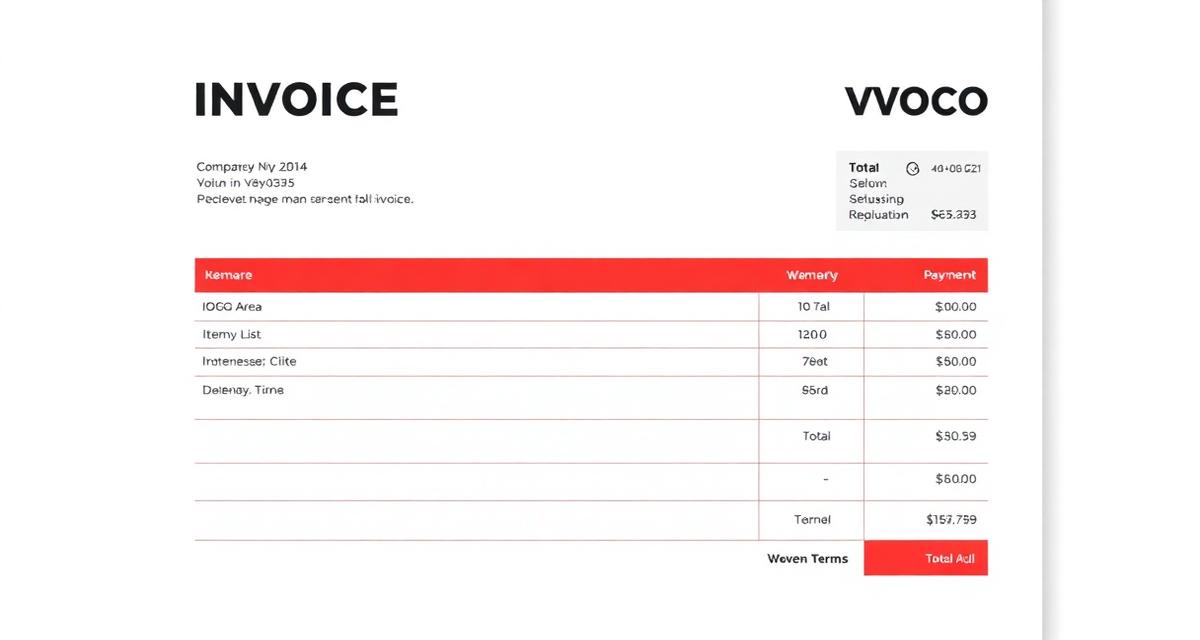
Here's what a typical freelance invoice looks like in practice:
Here's what a typical freelance invoice looks like in practice:
| INVOICE | |
| From: Jane Smith Design | Invoice #: INV-2026-042 |
| 123 Creative Lane, Sydney NSW 2000 | Date: 15 March 2026 |
| ABN: 12 345 678 901 | Due: 14 April 2026 |
| To: Acme Corp, 456 Business Ave, Melbourne VIC 3000 | |
| Description | Qty | Rate | Amount |
|---|---|---|---|
| Brand identity design — logo, colour palette, typography | 1 | $3,000 | $3,000 |
| Business card design (front & back) | 1 | $500 | $500 |
| Brand guidelines document (12 pages) | 1 | $1,200 | $1,200 |
| Subtotal | $4,700 | ||
| GST (10%) | $470 | ||
| Total Due | $5,170 AUD | ||
Payment terms: Net 30. Bank transfer to BSB 062-000, Account 12345678, or pay online at invoicemonk.com/pay/INV-2026-042.
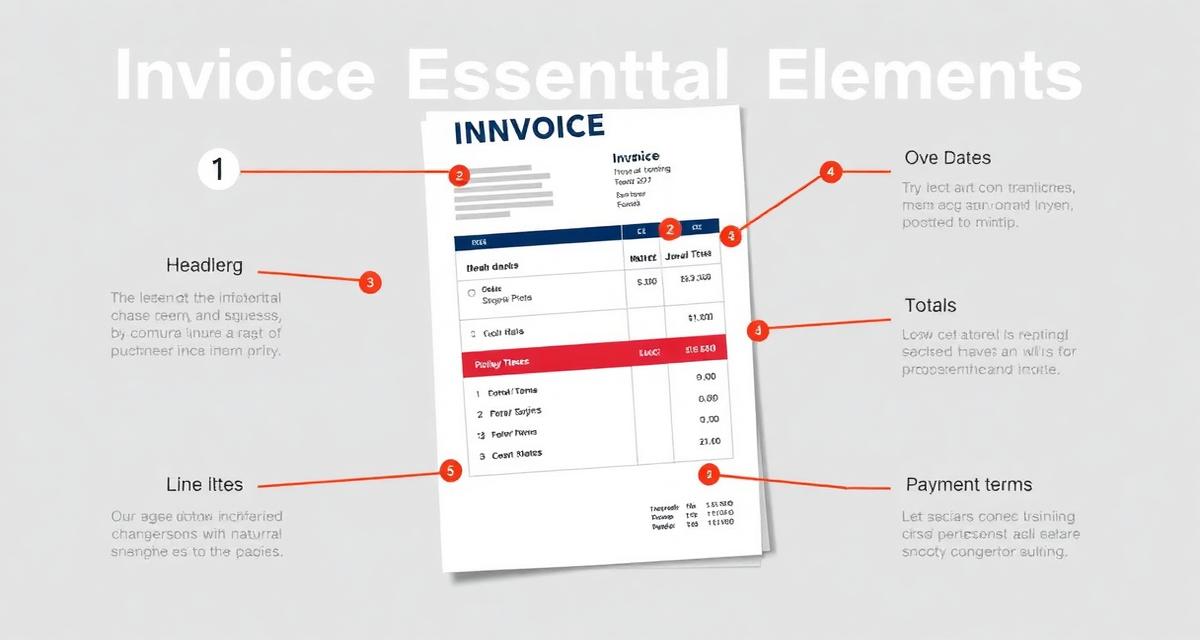
Notice how this example includes every essential element: unique invoice number, dates, business details, line items with clear descriptions, tax, total, and payment instructions. Creating invoices like this is effortless with Invoicemonk's invoice generator.
The Invoice Lifecycle: How Invoicing Actually Works
Understanding the full invoice lifecycle helps you see where invoices fit in the business transaction process:
Understanding the full invoice lifecycle helps you see where invoices fit in the business transaction process:
- Quote / Estimate: You propose a price before work begins — "Here's what it will cost."
- Agreement: The client approves the quote, possibly with a signed contract or purchase order.
- Work / Delivery: You complete the work or deliver the products.
- Invoice issued: You send the invoice requesting payment — "Here's what you owe."
- Payment processing: The client processes the invoice through their accounts payable system.
- Payment received: Money arrives in your account. The invoice is marked as paid.
- Receipt issued: You send a receipt confirming payment — "Thank you, payment received."
- Reconciliation: Both parties reconcile the transaction in their accounting records.
For longer projects, steps 3–6 repeat at each milestone. For retainer clients, step 4 happens automatically with recurring invoicing.
Invoice vs. Receipt: What's the Difference?
People often confuse invoices with receipts, but they serve different purposes:
People often confuse invoices with receipts, but they serve different purposes:
| Invoice | Receipt | |
|---|---|---|
| When sent | BEFORE payment | AFTER payment |
| Purpose | Requests payment | Confirms payment received |
| Contains | Payment instructions & due date | Payment method used & date paid |
| Accounting | Creates accounts receivable | Closes the receivable |
| Legal role | Proof of obligation to pay | Proof of completed transaction |
Simple rule: You send an invoice to ask for money. You give a receipt to confirm you received money.
Invoice vs. Bill: Are They the Same?
This is where it gets interesting — invoice and bill can mean the same thing, but the perspective differs:
This is where it gets interesting — invoice and bill can mean the same thing, but the perspective differs:
- Invoice: What the seller sends (you're requesting payment)
- Bill: What the buyer receives (you're expected to pay)
So the same document can be an invoice from the seller's perspective and a bill from the buyer's perspective. In accounting, when you receive an invoice from a supplier, it creates an accounts payable entry in your books. Understanding this distinction matters for accounting accuracy and clear communication with clients and suppliers.
Invoice vs. Quote (Estimate)
Before you do the work, you might provide a quote or estimate — this tells the client what the work will cost. After you complete the work, you send an invoice for the actual amount owed.
Before you do the work, you might provide a quote or estimate — this tells the client what the work will cost. After you complete the work, you send an invoice for the actual amount owed.
- Quote/Estimate: "This is what it will cost" (before work)
- Invoice: "This is what you owe" (after work)
Quotes aren't binding requests for payment — they're proposals. Invoices are formal payment demands. With Invoicemonk, you can convert an approved quote into an invoice with one click.
Invoice vs. Purchase Order
A purchase order (PO) is a document sent by the buyer to the seller, authorizing a purchase.
A purchase order (PO) is a document sent by the buyer to the seller, authorizing a purchase. It works in the opposite direction from an invoice:
- Purchase order: Buyer says "I want to buy this" → sent before delivery
- Invoice: Seller says "You owe me for this" → sent after delivery
In corporate B2B transactions, the buyer issues a PO first, the seller fulfils the order, then the seller sends an invoice referencing the PO number. Including the PO number on your invoice dramatically speeds up payment — corporate accounts payable teams often can't process invoices without one.
What Should an Invoice Include?
A professional invoice contains these essential elements:
A professional invoice contains these essential elements:
Your Business Information
- Business name and logo
- Address and contact details
- Tax identification number (ABN, GSTIN, EIN, VAT number, etc.)
Client Information
- Client or company name
- Billing address
- Contact person and purchase order number (if B2B)
Invoice Details
- Invoice number: Unique identifier for tracking — see numbering best practices
- Invoice date: When you're issuing the invoice
- Due date: When payment is expected
- Currency: Essential for international invoicing
Line Items
- Description of each product or service
- Quantity
- Unit price
- Line total
Totals
- Subtotal (before tax)
- Taxes — GST, VAT, sales tax (with breakdown if required)
- Any discounts applied
- Total amount due
Payment Information
- Accepted payment methods
- Bank details or online payment link
- Payment terms (e.g., "Net 30", "Due on Receipt")
- Late fee policy (if applicable)
Types of Invoices
Not all invoices are the same.
Not all invoices are the same. Here are the most common types you'll encounter:
Standard Invoice
The most common type — a straightforward request for payment after delivering goods or completing work. It includes all the elements listed above and is used for one-time transactions or individual project milestones.
When to use: One-time projects, product sales, completed service engagements.
Proforma Invoice
A proforma invoice is a preliminary document sent before work begins or goods ship. It's essentially a "preview invoice" that shows the expected charges, taxes, and terms. It's not a demand for payment — it's more like a detailed quote formatted as an invoice. Proforma invoices are commonly used in international trade to help buyers arrange financing or import licences before goods ship.
When to use: International trade (customs), deposit requests, client budget approvals.
Recurring Invoice
An invoice that automatically generates on a regular schedule — perfect for subscriptions, retainers, or ongoing services. Recurring billing eliminates the tedium of creating the same invoice every month. Invoicemonk supports automated recurring invoicing with customisable schedules.
When to use: Monthly retainers, SaaS subscriptions, ongoing maintenance contracts, rent.
Credit Invoice (Credit Note)
A credit note is a negative invoice that reduces the amount owed on a previous invoice — for example, if goods were returned, a service was partially delivered, or there was a billing error. Rather than editing or deleting the original invoice (which would break your audit trail), you issue a credit note that references the original and reduces the balance. This keeps your books clean and compliant.
When to use: Refunds, pricing corrections, returned goods, negotiated discounts after invoicing.
Interim (Progress) Invoice
Issued at milestones during a long project, allowing you to bill for work completed so far rather than waiting until the entire project is done.
When to use: Construction projects, large design engagements, software development, any project spanning 2+ months. See milestone billing.
Time-Based Invoice
Used by consultants, lawyers, and freelancers who bill by the hour. Line items show hours worked, hourly rate, and task descriptions. Accurate time tracking is essential for this invoice type.
Past Due Invoice
An invoice that has gone past its payment due date. These often include updated language, late fees, or revised payment terms. For strategies on handling late payments, see our payment reminder templates.
Commercial Invoice
A specific type of invoice used in international trade. It's required by customs authorities and includes additional details like country of origin, harmonised system (HS) codes, and shipping terms (Incoterms). If you ship physical goods across borders, you'll need these. For a detailed comparison, see proforma vs. commercial invoices.
When to Use Each Invoice Type
One-off projects or product sales: Standard invoice.
One-off projects or product sales: Standard invoice.
International shipments: Proforma invoice (before shipping) + commercial invoice (with shipment).
Monthly retainers or subscriptions: Recurring invoice via automated billing.
Corrections or returns: Credit note referencing the original invoice.
Hourly consulting or legal work: Time-based invoice with detailed time entries.
Milestone-based projects: Standard invoices at each milestone, with the milestone described in the line items.
Invoicing by Industry: How It Differs
While the core concept is the same, invoicing practices vary significantly by industry:
While the core concept is the same, invoicing practices vary significantly by industry:
Freelancers & Consultants
Typically invoice after project completion or monthly for hourly work. Key needs: time tracking integration, multi-currency support for international clients, and professional templates. See our freelancer invoicing guide.
Contractors & Tradespeople
Often use progress invoicing tied to project milestones (e.g., 30% deposit, 40% at rough-in, 30% at completion). Need mobile invoicing from job sites and detailed material/labour breakdowns. See contractor invoicing.
Agencies
Manage multiple clients with different billing models — retainers, project-based, and hourly. Need multi-project tracking and branded invoices per client. See agency invoicing.
E-commerce
High-volume, automated invoicing triggered by orders. Need inventory integration, bulk invoicing, and tax compliance across multiple jurisdictions. See e-commerce invoicing.
Digital vs. Paper Invoices
The shift to digital invoicing is accelerating worldwide.
The shift to digital invoicing is accelerating worldwide. Here's how they compare:
| Paper Invoice | Digital Invoice | |
|---|---|---|
| Delivery speed | 2–7 days (mail) | Instant (email/link) |
| Cost per invoice | $3–$8 (printing + postage) | $0–$1 |
| Payment speed | Average 30+ days | Average 14 days |
| Error rate | Higher (manual entry) | Lower (auto-calculated) |
| Storage | Filing cabinets | Cloud (searchable, backed up) |
| Environmental impact | Paper, ink, fuel | Minimal |
Many countries now mandate or incentivize e-invoicing. India's GST system, Brazil's NF-e, and the EU's Peppol network all require or encourage digital invoice formats. Even where not mandated, digital invoicing with online payment links (like those from Invoicemonk) cuts average payment time from 30 days to under 14.
International Invoicing Basics
If you work with clients in other countries, invoicing adds a few extra considerations:
If you work with clients in other countries, invoicing adds a few extra considerations:
- Currency: Invoice in the client's local currency or agree on a base currency. Multi-currency invoicing software handles conversion automatically
- Tax: International B2B invoices are often zero-rated for VAT/GST (the "reverse charge" mechanism). Check the rules for your specific country pair
- Language: While not always legally required, invoicing in the client's language improves clarity and payment speed
- Payment method: International bank transfers (SWIFT) carry high fees. Consider platforms like Wise or Payoneer — see our fee calculator to compare costs
- Compliance: Different countries have different required invoice fields. Australia requires ABN, UK requires VAT number, India requires GSTIN and HSN codes
When Should You Send an Invoice?
Timing matters for cash flow.
Timing matters for cash flow. Generally:
- Services: Invoice immediately upon completion, or at agreed milestones for longer projects
- Products: Invoice upon delivery or shipment
- Ongoing work: Invoice at regular intervals (weekly, monthly) or upon hitting hour/value thresholds
- Retainers: Invoice at the start of each billing period (monthly or quarterly)
The key principle: the sooner you invoice, the sooner you get paid. Studies show that invoices sent on the day of project completion are paid 20 days faster than those sent at month-end.
How to Create an Invoice
You have several options for creating invoices, from free to full-featured:
You have several options for creating invoices, from free to full-featured:
Option 1: Free Invoice Generator
Tools like Invoicemonk's invoice generator let you create professional PDF invoices in under 2 minutes with no signup required. Perfect for your first invoice or occasional use.
Option 2: Manual Templates
- Word processors: Create a template in Word or Google Docs
- Spreadsheets: Build an invoice template in Excel or Sheets
These work for occasional invoices but become cumbersome as you grow — manual numbering, no payment tracking, and no reminders.
Option 3: Invoicing Software
Professional invoicing software like Invoicemonk offers significant advantages for regular invoicing:
- Professional templates with your branding
- Automatic invoice numbering
- Payment tracking and automated reminders
- Online payment options for clients
- Tax calculations and reporting
- Client database for quick invoicing
- Multi-currency support
- Integration with accounting and expense tracking
For most businesses, dedicated invoicing software pays for itself in time saved and faster payments. See our comparison of the best invoicing software.
Common Invoice Mistakes to Avoid
These mistakes cause payment delays and look unprofessional:
These mistakes cause payment delays and look unprofessional:
- Missing or duplicate invoice numbers: This creates confusion for both parties and complicates accounting. Use a systematic numbering system and let your software auto-increment
- Vague descriptions: "Services rendered" tells the client nothing. Be specific: "Website redesign — homepage, about page, and contact form (15 hours @ $100/hr)." Detailed descriptions reduce disputes and speed up approvals
- No payment terms or due date: Without a clear deadline, payment gets deprioritized. Always include explicit payment terms and a specific date
- Wrong calculations: Math errors undermine your professionalism. Use software that auto-calculates totals and tax
- Sending late: The longer you wait to invoice, the longer you wait to get paid. Invoice immediately upon delivery or completion. For tips on faster payments, read our guide to getting paid faster
- Difficult payment process: Every extra step reduces payment speed. Include a direct payment link — clients who can pay with one click pay 3x faster
- Not following up: 48% of invoices are paid late. Set up automated payment reminders so overdue invoices don't fall through the cracks
- Missing information: Incomplete invoices trigger "can you resend?" emails and add days to payment. Always check your invoice checklist
Invoices and Your Accounting
Every invoice you issue creates an accounts-receivable entry in your books. When the client pays, that entry is cleared against your bank account.
Every invoice you issue creates an accounts-receivable entry in your books. When the client pays, that entry is cleared against your bank account. If you use accrual accounting, the revenue is recognised when the invoice is sent, not when payment is received. This distinction matters for accurate financial reporting and tax obligations.
Using an integrated platform like Invoicemonk that connects invoicing to accounting means invoices automatically flow into your financial records — no double entry, no reconciliation headaches, no missed revenue.
What Is an Invoice Number?
An invoice number is a unique identifier assigned to each invoice you issue. Its primary purpose is to ensure every transaction is individually trackable — for your records, your client's records, and tax authorities.
An invoice number is a unique identifier assigned to each invoice you issue. Its primary purpose is to ensure every transaction is individually trackable — for your records, your client's records, and tax authorities.
Invoice numbers can follow different formats:
- Sequential: INV-001, INV-002, INV-003 — the simplest approach
- Date-based: INV-2026-03-001 — groups invoices by period for easier accounting
- Project-based: PROJ-ACME-001 — ties invoices to specific clients or projects
- Hybrid: 2026-ACME-003 — combines date and client for maximum context
Most countries legally require invoices to carry a unique number. Duplicate or missing numbers can trigger audit flags and complicate tax filings. Invoicing software like Invoicemonk auto-generates sequential numbers so you never have to worry about gaps or duplicates. For a deeper dive, see our guide to invoice numbering best practices.
What Is an Invoice Payment?
An invoice payment is the act of a buyer settling the amount due on an invoice. While it sounds straightforward, the mechanics vary depending on the payment method, terms, and business context.
An invoice payment is the act of a buyer settling the amount due on an invoice. While it sounds straightforward, the mechanics vary depending on the payment method, terms, and business context.
Common invoice payment methods include:
- Bank transfer (ACH/BACS/EFT): Direct transfer between bank accounts — low fees, common for B2B
- Credit/debit card: Convenient for clients, higher processing fees (1.5–3%)
- Online payment link: Client clicks a link on the invoice and pays instantly — Invoicemonk embeds these automatically
- Digital wallets: PayPal, Wise, mobile money (M-Pesa, Paystack) — common for international and African markets
- Cheque: Still used in some industries but slow and declining
Invoice payments can also be partial — a client pays a deposit or instalment rather than the full amount. In this case, the invoice remains "open" (see below) until the balance is cleared. Payment terms like Net 30 or Due on Receipt define when payment is expected.
What Is a VAT Invoice?
A VAT invoice is an invoice that includes specific value-added tax (VAT) information required by tax authorities. It's not a different document — it's a standard invoice with additional mandatory fields.
A VAT invoice is an invoice that includes specific value-added tax (VAT) information required by tax authorities. It's not a different document — it's a standard invoice with additional mandatory fields.
A VAT invoice must typically include:
- Your VAT registration number
- The client's VAT number (for B2B transactions)
- The applicable VAT rate(s) (e.g., 20% in the UK, 15% in South Africa)
- The VAT amount shown separately from the net price
- A clear breakdown: net amount + VAT = gross total
Many countries distinguish between full VAT invoices (required above a threshold, e.g., £250 in the UK) and simplified VAT invoices (for smaller transactions, fewer required fields). If you're VAT-registered, issuing proper VAT invoices is legally mandatory — your clients need them to reclaim input VAT. For country-specific requirements, see our HMRC compliance guide or compliance hub.
What Is a Tax Invoice?
A tax invoice is the broader term for any invoice that includes tax details required by a country's revenue authority.
A tax invoice is the broader term for any invoice that includes tax details required by a country's revenue authority. While "VAT invoice" is the term in Europe and Africa, other regions use different names for essentially the same concept:
- GST invoice — Australia, New Zealand, India, Singapore, Canada
- Sales tax invoice — United States (though the US doesn't have a formal "tax invoice" requirement at the federal level)
- Tax invoice — Generic term used across multiple GST/VAT jurisdictions
The key distinction from a regular invoice: a tax invoice must include your tax registration number and a tax breakdown. In GST countries like Australia, you must issue a tax invoice for sales of $82.50 (including GST) or more. Buyers need this document to claim GST credits on their own tax returns. Without a valid tax invoice, your client cannot recover the tax they paid — so getting this right protects both of you. For more, see our ATO compliance guide.
What Is an Open Invoice?
An open invoice (also called an outstanding invoice or unpaid invoice) is an invoice that has been issued but not yet fully paid. It represents money your business is owed — part of your accounts receivable.
An open invoice (also called an outstanding invoice or unpaid invoice) is an invoice that has been issued but not yet fully paid. It represents money your business is owed — part of your accounts receivable.
Open invoices matter because they directly impact your cash flow. Too many open invoices mean you've delivered work but haven't been paid, which can create a dangerous gap between revenue on paper and actual cash in the bank.
Best practices for managing open invoices:
- Track aging: Group open invoices by how overdue they are (current, 30 days, 60 days, 90+ days). An aging report highlights problem clients before small debts become big ones
- Automate reminders: Set up automatic payment reminders at 7, 14, and 30 days overdue
- Offer easy payment: Include online payment links so clients can settle invoices in one click
- Review weekly: A weekly open-invoice review keeps cash flow predictable and catches overdue payments early
What Is Invoice Factoring?
Invoice factoring is a financing method where you sell your unpaid invoices to a third-party company (called a factor) at a discount, receiving immediate cash instead of waiting for clients to pay.
Invoice factoring is a financing method where you sell your unpaid invoices to a third-party company (called a factor) at a discount, receiving immediate cash instead of waiting for clients to pay.
Here's how it works in three steps:
- You issue invoices to your clients as normal
- You sell those invoices to a factoring company, who advances you 70–90% of the invoice value immediately
- The factor collects payment directly from your client. Once paid, the factor sends you the remaining balance minus their fee (typically 1–5% of the invoice value)
Pros: Immediate cash flow, no debt incurred, the factor handles collections. Cons: You receive less than the full invoice amount, your clients know you're using a factor (they pay the factor directly), and it can signal financial stress to clients.
When it makes sense: Businesses with long payment cycles (Net 60/90), seasonal revenue fluctuations, or rapid growth that outpaces cash flow. Common in manufacturing, staffing, and freight industries.
What Is Invoice Financing?
Invoice financing (also called invoice discounting) is similar to factoring, but with a key difference: you use unpaid invoices as collateral for a loan rather than selling them outright.
Invoice financing (also called invoice discounting) is similar to factoring, but with a key difference: you use unpaid invoices as collateral for a loan rather than selling them outright.
| Invoice Factoring | Invoice Financing | |
|---|---|---|
| Ownership | Factor buys your invoices | You retain ownership |
| Collections | Factor collects from your clients | You collect from your clients |
| Client awareness | Clients know (they pay the factor) | Clients don't know (confidential) |
| Typical advance | 70–90% of invoice value | 80–95% of invoice value |
| Cost | 1–5% of invoice value | 1–3% per month on the advance |
| Best for | Businesses wanting to outsource collections | Businesses wanting confidential cash flow support |
Key advantage of financing over factoring: Your client relationship stays intact. Clients continue paying you directly, unaware that you've used their invoice as collateral. This makes invoice financing popular with professional services firms and agencies that value client perception.
What Is Invoice Processing?
Invoice processing is the end-to-end workflow of receiving, validating, approving, and paying invoices — primarily from the accounts payable (buyer's) perspective. If you've ever submitted an invoice to a large company and waited weeks for payment, you've experienced the other side of invoice processing.
Invoice processing is the end-to-end workflow of receiving, validating, approving, and paying invoices — primarily from the accounts payable (buyer's) perspective. If you've ever submitted an invoice to a large company and waited weeks for payment, you've experienced the other side of invoice processing.
The typical invoice processing workflow:
- Receipt: The invoice arrives via email, postal mail, or an AP portal
- Data capture: Key fields (vendor, amount, date, PO number) are extracted — manually or via OCR/AI
- Validation: The invoice is checked against the purchase order and delivery receipt (3-way matching: PO ↔ invoice ↔ goods received note)
- Approval: The invoice is routed to the appropriate manager(s) for sign-off, often with approval thresholds
- Payment: Once approved, the invoice is scheduled for payment according to the agreed terms
- Recording: The transaction is posted to the accounting system
Manual vs. automated processing: Manual invoice processing takes an average of 25 days and costs $15–$40 per invoice (data entry, matching, approval routing). Automated AP systems reduce this to 3–5 days at $1–$3 per invoice. For sellers, understanding this workflow explains why corporate clients sometimes pay slowly — and why including a PO number and matching your invoice to the original order speeds things up dramatically.
What Is the Invoice Price of a Car?
In the automotive industry, the invoice price is the price the car dealer pays the manufacturer for a vehicle. It's different from the MSRP (Manufacturer's Suggested Retail Price), which is the sticker price you see on the car lot.
In the automotive industry, the invoice price is the price the car dealer pays the manufacturer for a vehicle. It's different from the MSRP (Manufacturer's Suggested Retail Price), which is the sticker price you see on the car lot.
- Invoice price: What the dealer paid (e.g., $28,000)
- MSRP / sticker price: What the dealer asks you to pay (e.g., $32,000)
- The difference: The dealer's margin, which is the space for negotiation
Car buyers research invoice prices to negotiate better deals — the logic being that the dealer must have paid at least the invoice price, so any price between invoice and MSRP represents the dealer's profit. However, dealers also receive manufacturer incentives, holdback payments (1–3% of MSRP), and volume bonuses that mean their true cost is often below invoice price.
Note: This is a different use of the word "invoice" from business invoicing — it refers specifically to the wholesale price document between manufacturer and dealer.
What Is a PO Number on an Invoice?
A PO number (purchase order number) on an invoice is a reference code that links your invoice back to the buyer's original purchase order. It's a critical field for B2B invoicing, especially with corporate clients.
A PO number (purchase order number) on an invoice is a reference code that links your invoice back to the buyer's original purchase order. It's a critical field for B2B invoicing, especially with corporate clients.
Why PO numbers matter:
- Payment speed: Corporate AP teams often cannot process an invoice without a valid PO number. Missing it means your invoice goes into a "query" pile and payment delays by weeks
- 3-way matching: The PO number allows the buyer to match your invoice against the purchase order and goods receipt, confirming that what was ordered, delivered, and billed all align
- Audit trail: The PO number creates a clear paper trail from purchase request → order → delivery → invoice → payment
- Dispute prevention: If there's ever a disagreement about what was ordered or agreed, the PO number connects all the documentation
Best practice: Always ask corporate clients for a PO number before you start work. Include it prominently on your invoice — most invoicing software (including Invoicemonk) has a dedicated PO number field. If your client didn't issue a PO, note "No PO required" or reference the email/contract that authorised the work.
Invoice Terminology Glossary
Here are common terms you'll encounter in invoicing:
Here are common terms you'll encounter in invoicing:
- Net 30: Payment due within 30 days of invoice date
- Due on Receipt: Payment expected immediately upon receiving the invoice
- 2/10 Net 30: 2% discount if paid within 10 days, full amount due in 30
- Invoice Number: Unique, sequential identifier for each invoice
- Line Item: Individual product or service on an invoice
- Accounts Receivable: Money owed to you by customers
- Credit Note: A document that reduces the amount owed on a previous invoice
- Purchase Order (PO): A buyer-issued authorization to purchase goods or services
- Gross Margin: Revenue minus cost of goods — invoices feed this calculation
- Overdue: An invoice past its due date with payment still outstanding
How Long Should You Keep Invoices?
Tax authorities require you to retain invoices and supporting documents for a minimum period:
Tax authorities require you to retain invoices and supporting documents for a minimum period:
- United States (IRS): 3–7 years depending on the type of return
- United Kingdom (HMRC): 6 years (or 10 years for certain records)
- Australia (ATO): 5 years from the date you lodged the return
- Canada (CRA): 6 years from the end of the tax year
- India: 8 years from the relevant assessment year
Digital invoicing makes this easy — cloud-stored invoices are searchable, don't fade, and don't take up physical space. One more reason to move away from paper.
Start Creating Professional Invoices
Understanding what an invoice is marks the first step toward professional business practices. Whether you're a freelancer sending your first invoice or a growing business looking to streamline billing, getting invoicing right impacts your cash flow, client relationships, and business success.
Understanding what an invoice is marks the first step toward professional business practices. Whether you're a freelancer sending your first invoice or a growing business looking to streamline billing, getting invoicing right impacts your cash flow, client relationships, and business success.
Ready to create your first invoice? Invoicemonk's invoice generator lets you create a professional PDF invoice in under 2 minutes — no signup required. For ongoing invoicing with payment tracking, reminders, and accounting integration, try the full platform.
Learn More About Invoicing
Continue building your invoicing knowledge:
Continue building your invoicing knowledge:
More in this series (33 articles)
From this series
Master the art of professional invoicing to get paid faster and look more professional.
Related Topics
Digital Marketing, SEO Specialist, Content Creator & Product Professional
Olayinka is a digital marketer, content creator, growth and SEO specialist with 10+ years helping businesses in Nigeria, the UK, the US, Australia, and Dubai achieve their goals online.