Winning Proposals and Estimates: The Complete Guide to Closing More Deals
Estimates & Proposals
Win more clients with compelling proposals and accurate estimates.
Estimates & Proposals Series
This guide is part of a comprehensive series. Explore all 11 topics:
A proposal is your opportunity to win business. Yet many proposals are little more than price lists—interchangeable documents that compete solely on cost. The proposals that win consistently do something different: they demonstrate understanding, inspire confidence, and make the decision easy.
This guide will teach you to write proposals and estimates that convert prospects into clients, often at premium rates.
Estimates, Quotes, and Proposals: What's the Difference?
These terms are often used interchangeably, but they serve different purposes:
These terms are often used interchangeably, but they serve different purposes:
Estimates
Approximations of cost based on preliminary information. Not binding—the final price may differ as details become clear. Use when scope is uncertain or when clients are shopping early in their process.
Quotes
Fixed prices for defined work. Once accepted, you're committed to delivering at that price. Use when scope is clear and you can price accurately. Typically valid for a specified period (30 days is common).
Proposals
Comprehensive documents that sell your approach, not just your price. Include context, methodology, deliverables, timeline, and terms. Use for larger or more complex engagements where you need to differentiate on more than price.
When to Use Each
Quick, straightforward projects may only need a quote. Complex projects benefit from full proposals.
Quick, straightforward projects may only need a quote. Complex projects benefit from full proposals. When in doubt, lean toward more detail—it demonstrates professionalism and reduces misunderstandings.
Components of a Winning Proposal
Effective proposals follow a structure that guides the reader toward a positive decision:
Effective proposals follow a structure that guides the reader toward a positive decision:
Executive Summary
Start with a brief overview that captures the essence: what they need, what you'll provide, and why you're the right choice. Decision-makers often read only this section—make it count.
Understanding of the Problem
Demonstrate that you understand their situation. Restate their challenge in your own words. Show that you've listened and grasped what matters to them. This builds confidence that your solution will fit.
Proposed Solution
Describe your approach and methodology. Explain why this approach serves their goals. Focus on outcomes and benefits, not just activities. Make them see the path from where they are to where they want to be.
Deliverables
List exactly what they'll receive. Be specific. Vague deliverables lead to scope disputes. Clear deliverables set expectations and protect both parties.
Timeline
Show when things will happen. Include key milestones. Be realistic—aggressive timelines you can't meet damage credibility more than conservative ones.
Investment
Present pricing clearly. Break down costs if appropriate. Frame as investment, not cost—focus on value delivered. Include payment terms and any conditions.
About You/Your Company
Brief background establishing credibility. Relevant experience, qualifications, and testimonials. Don't overdo it—this supports the proposal but isn't the star.
Terms and Conditions
Include essential legal terms: scope limitations, change procedures, intellectual property, confidentiality, termination. Clear terms prevent problems.
Next Steps
Tell them exactly how to proceed. Make the call-to-action clear and easy. Remove friction from saying yes.
Pricing Strategies
How you price affects not just revenue but also how your proposal is perceived:
How you price affects not just revenue but also how your proposal is perceived:
Value-Based Pricing
Price based on the value you deliver, not the time you spend. If your work will generate $100,000 in value, pricing at $10,000 is justified regardless of hours required. This requires understanding the client's business and articulating value clearly.
Package Pricing
Offer 2-3 options at different price points. This shifts the conversation from "should we work with you?" to "which option fits best?" Often, clients choose the middle option—price it accordingly.
Anchor Pricing
Present your highest option first. This sets a reference point that makes lower options seem more reasonable. Psychology matters in pricing perception.
Itemized vs. Fixed
Itemized pricing shows detail but invites line-item negotiation. Fixed pricing is cleaner but may require justification. Choose based on what serves the situation best.
Avoid Underpricing
Low prices suggest low value. Clients often won't choose the cheapest option, fearing quality issues. Price confidently based on the value you provide.
Converting Proposals to Invoices
The transition from accepted proposal to first invoice should be seamless:
The transition from accepted proposal to first invoice should be seamless:
Confirm Acceptance Clearly
Get explicit approval—signature, written confirmation, or formal acceptance. Don't assume silence is consent.
Invoice Promptly
If you require a deposit, invoice immediately upon acceptance. For project fees, invoice according to the schedule defined in your proposal. Use invoicing software to streamline this.
Reference the Proposal
Your invoices should reference the proposal and any scope changes. This maintains continuity and reminds clients what they're paying for.
Track Against Scope
Monitor work against what was proposed. Flag scope changes early and address them before they become payment disputes.
Following Up on Proposals
Many proposals fail not because they were rejected, but because they were forgotten.
Many proposals fail not because they were rejected, but because they were forgotten. Effective follow-up is essential:
Immediate Follow-Up
Confirm receipt and offer to discuss. "I wanted to make sure you received the proposal. I'm happy to walk through it or answer any questions."
Check In at Decision Time
If they said they'd decide by a certain date, follow up that day or the next. "I know you mentioned making a decision this week. I wanted to check in and see if there's anything else you need from me."
Add Value
Use follow-ups to add value, not just ask for decisions. Share relevant insights, answer anticipated questions, or provide additional information that helps their decision.
Know When to Stop
If you've followed up 3-4 times with no response, either ask directly for a decision or let it go. Excessive follow-up damages relationships and your reputation.
Handling Objections
Objections are opportunities to address concerns and strengthen your position:
Objections are opportunities to address concerns and strengthen your position:
Price Objections
"That's more than we expected." Don't immediately discount. Explore what's driving the concern. Focus on value. If needed, offer scope adjustments rather than discounts. "I understand budget is a concern. Let me show you the value you're getting, and we can discuss adjustments to scope if needed."
Timing Objections
"We're not ready yet." Understand when they will be ready. Stay in touch. Provide value in the interim. Position yourself for when they're ready to move.
Competition Objections
"We're also talking to others." Acknowledge this is normal. Focus on your differentiation. Ask what criteria matter most to their decision.
Authority Objections
"I need to check with others." Offer to present to the full decision-making group. Provide materials they can share. Ask what would help them advocate internally.
Common Proposal Mistakes
Avoid these frequent errors:
Generic Templates
Proposals that could be sent to anyone convince no one. Customize for each prospect. Reference specific conversations and unique needs.
Leading with Price
Price without context is meaningless. Build value first. Make them want what you're offering before showing the investment.
Overpromising
Commitments you can't keep damage credibility and lead to disputes. Promise realistically and overdeliver.
Vague Scope
Undefined scope leads to scope creep, disputes, and unhappy clients. Be specific about what's included and excluded.
Too Long
Proposals should be comprehensive but not bloated. Respect the reader's time. Every section should earn its place.
No Clear Next Step
Don't leave them wondering what to do. Provide a clear path to acceptance and make it easy to take.
Proposal Tools and Templates
The right tools make proposal creation faster and more consistent:
The right tools make proposal creation faster and more consistent:
Proposal Software
Dedicated tools offer templates, tracking, e-signatures, and analytics. They show when proposals are viewed and which sections get attention.
Estimate Features
Use Invoicemonk's estimate features to create professional quotes and estimates that convert to invoices seamlessly.
Template Library
Build a library of reusable sections: company background, case studies, terms, team bios. Customize for each proposal without starting from scratch.
Tracking and Analytics
Track which proposals convert and which don't. Analyze patterns. Continuously improve based on what you learn.
Building Your Proposal System
Building Your Proposal System includes: Create templates for common proposal types Develop a library of reusable sections
- Create templates for common proposal types
- Develop a library of reusable sections
- Establish a consistent structure and format
- Set up a follow-up schedule for outstanding proposals
- Track conversion rates and analyze what works
- Continuously refine based on results
From Proposal to Project Success
A won proposal is just the beginning.
A won proposal is just the beginning. Set yourself up for success:
Kick Off Properly
Hold a kickoff meeting to confirm understanding, align expectations, and establish communication norms.
Manage Scope
Reference the proposal throughout the project. When requests exceed scope, address them immediately—either as change orders or by clarifying boundaries.
Communicate Progress
Keep clients informed. No surprises. Proactive communication builds trust and prevents problems.
Close Cleanly
At project end, confirm all deliverables are complete and accepted. Handle final invoicing promptly. Use the success to ask for testimonials and referrals.
Related Resources
Frequently Asked Questions
What's the difference between an estimate, quote, and invoice?
An estimate is an approximation of costs that may change. A quote is a fixed price commitment for a specific scope. An invoice is a request for payment after work is completed. Use estimates for complex projects, quotes for defined work, and invoices to get paid.
Learn more: Proposal WritingHow do I write a winning proposal?
Start by understanding the client's problem deeply. Structure your proposal to show: you understand their challenge, your proposed solution, relevant experience/portfolio, clear pricing and timeline, and next steps. Focus on outcomes, not just deliverables.
Learn more: Quote vs EstimateWhen should I follow up on a proposal?
Follow up 3-5 days after sending if you haven't heard back. Send a brief, value-adding message—perhaps addressing a potential concern or sharing relevant insight. If no response after two follow-ups, move on but keep them in your pipeline for future outreach.
Learn more: Project PricingHow do I handle price objections?
Don't immediately lower your price—this devalues your work. Instead, understand their budget constraints, adjust scope if needed, emphasize ROI and value, offer payment plans, or politely decline if the fit isn't right.
Learn more: Following UpTable of Contents
Explore the Estimates & Proposals Series
11 articles to master this topic
Best Quotes and Estimates Features for Freelancers in 2026
Discover the essential estimates and quoting features every freelancer needs to win more clients, close deals faster, and maintain a professional image.
12 min read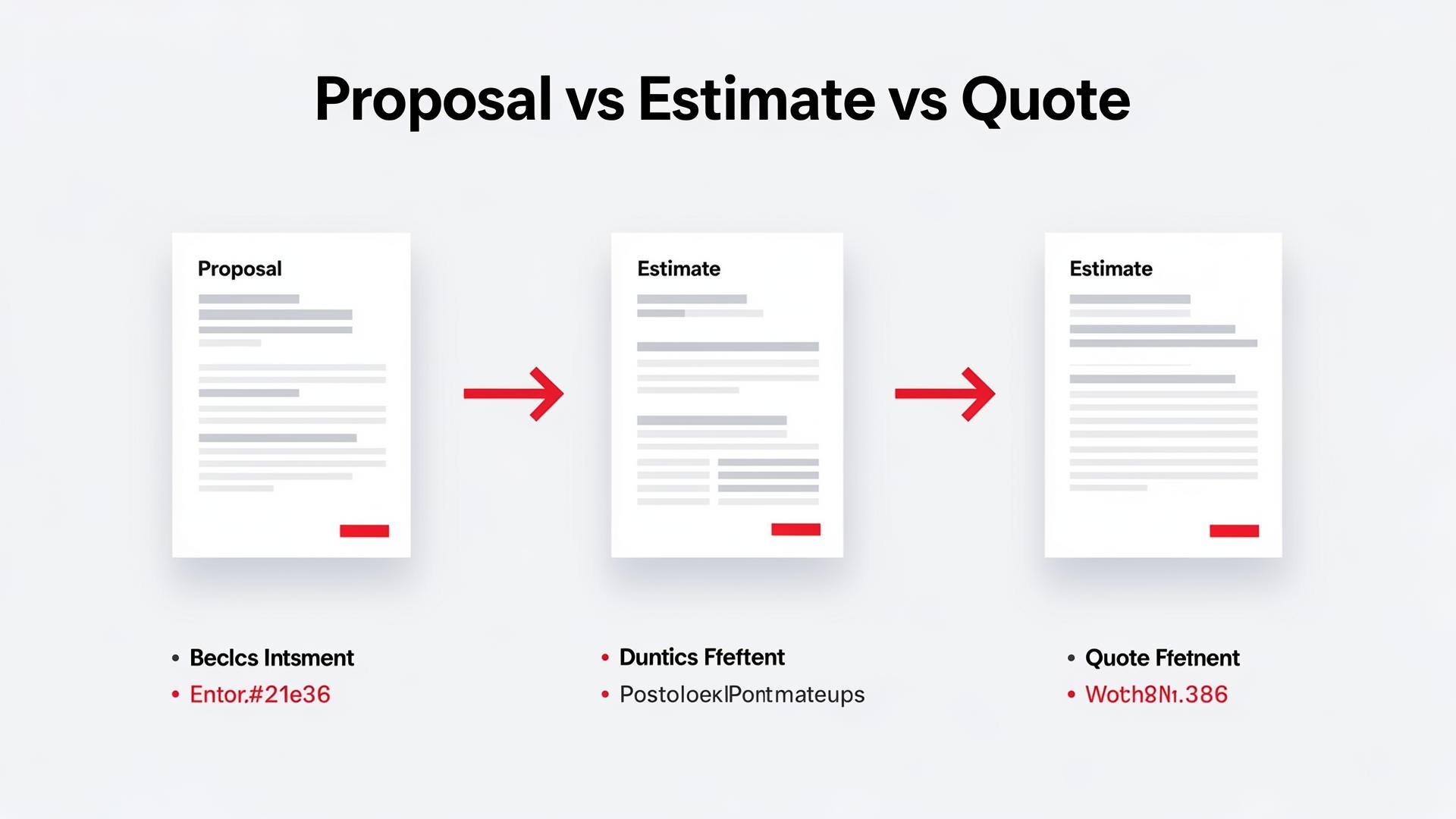
How to Write a Winning Business Proposal
Transform your proposals from forgettable documents into persuasive business tools. Learn the structure, psychology, and tactics that win contracts.
10 min read
Estimate vs Quote vs Invoice: What Is the Difference?
Confused about estimates, quotes, and invoices? Learn the key differences, when to use each, and how they work together in your business workflow.
6 min readDigital Marketing, SEO Specialist, Content Creator & Product Professional
Olayinka is a digital marketer, content creator, growth and SEO specialist with 10+ years helping businesses in Nigeria, the UK, the US, Australia, and Dubai achieve their goals online.