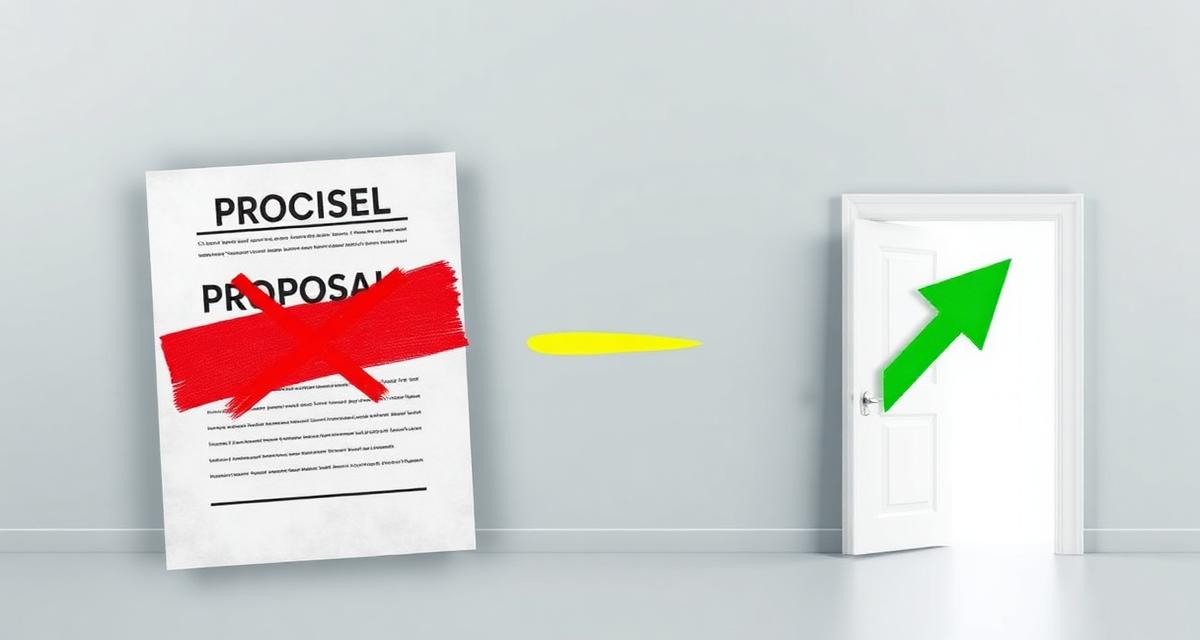
Proposal Rejection: What to Do When You Do Not Win the Work
Estimates & Proposals Series
This guide is part of a comprehensive series. Explore all 11 topics:
Rejection stings. You invested hours crafting a proposal, researching the client's needs, and imagining how you'd deliver great work—only to hear "we've decided to go in a different direction." It's disappointing, and it's completely normal.
But here's what separates successful freelancers and agencies from the rest: how they respond to rejection determines whether that "no" becomes a dead end or a path to future opportunities. This guide shows you how to handle proposal rejection professionally, learn from it, and turn lost bids into future wins.
The Professional Response
Your immediate reaction to rejection matters more than you might think. Resist the urge to argue, question their judgment, or disappear silently.
Your immediate reaction to rejection matters more than you might think. Resist the urge to argue, question their judgment, or disappear silently. Instead, respond within 24 hours with grace:
"Thank you for considering us for this project and for letting me know your decision. I appreciate the time you spent reviewing our proposal. I wish you great success with [project name], and I hope we'll have the opportunity to work together in the future."
This response accomplishes several things:
- Shows you're a professional who handles disappointment maturely
- Leaves the door open for future opportunities
- Makes you memorable in a positive way (many rejected vendors simply ghost)
- Sets up the possibility of asking for feedback
Requesting Constructive Feedback
Feedback from lost bids is incredibly valuable—but you need to ask for it correctly.
Feedback from lost bids is incredibly valuable—but you need to ask for it correctly.
When to Ask (and When Not To)
Do ask when you had a real conversation with the prospect, when they seemed engaged throughout the process, or when you made it to a final round. Don't ask when you were one of many blind submissions, when the decision was clearly just about price, or when the prospect seemed disengaged from the start.
Do ask when you had a real conversation with the prospect, when they seemed engaged throughout the process, or when you made it to a final round. Don't ask when you were one of many blind submissions, when the decision was clearly just about price, or when the prospect seemed disengaged from the start.
How to Ask
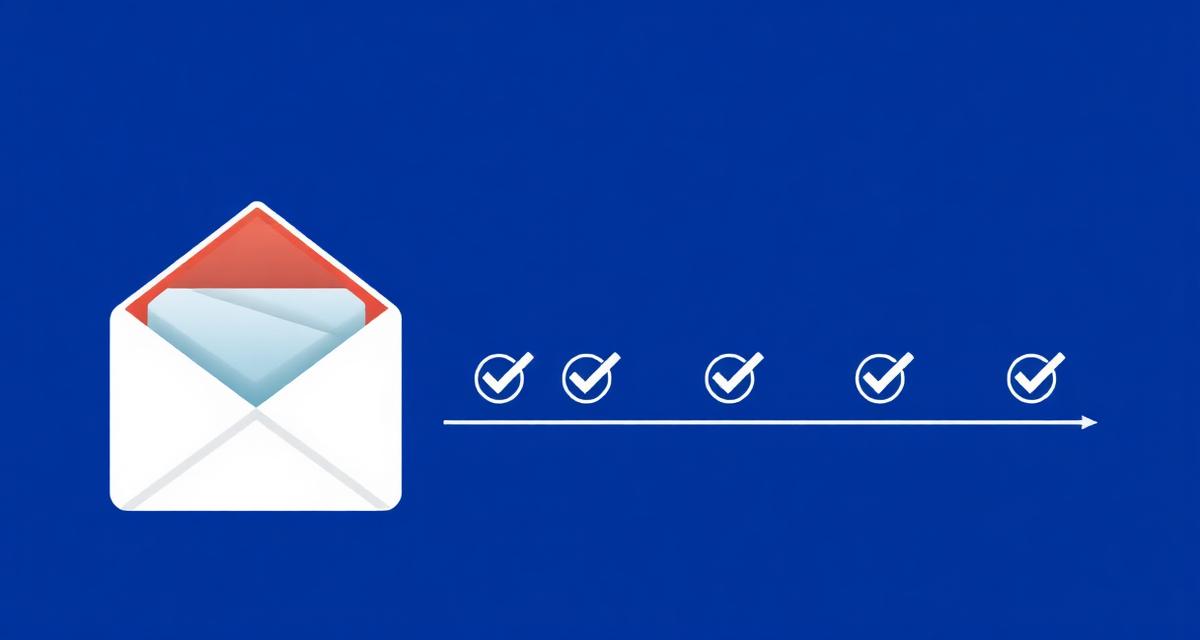
Wait 2-3 days after your gracious initial response, then send a brief follow-up:
Wait 2-3 days after your gracious initial response, then send a brief follow-up:
"I hope [project name] is going well. I'm always looking to improve my proposals, and if you have a few minutes, I'd really value any feedback on where our proposal fell short or what the winning approach offered that ours didn't. No pressure at all—I know you're busy—but any insights would help me improve for future opportunities."
This approach works because it's low-pressure, focused on your improvement rather than questioning their decision, and easy to respond to briefly.
Handling the Answers
When you get feedback, resist the urge to defend yourself. Thank them genuinely, ask a clarifying question if appropriate, and take notes. Even feedback you disagree with tells you something about perception—which matters in sales.
Learning from Rejection
Systematically analyzing lost proposals reveals patterns you can address.
Systematically analyzing lost proposals reveals patterns you can address. Common rejection reasons include:
Pricing Issues
If you consistently hear "budget constraints" or "went with a lower bid," you're either targeting the wrong clients or not communicating value effectively. Consider: Are you targeting price-sensitive prospects? Is your value proposition clear enough to justify premium pricing? Are you including unnecessary scope that inflates cost?
Scope Mismatch
Sometimes your proposal doesn't match what the client actually needed. This often happens when you don't ask enough questions upfront or when you propose your standard solution instead of customizing to their situation.
Timing Problems
They loved your proposal but the project got delayed, budget got reallocated, or priorities shifted. This isn't really rejection—it's an opportunity for future follow-up.
Trust and Relationship Factors
They went with someone they already knew, someone who was referred by a trusted source, or someone who spent more time building rapport. Especially for larger projects, relationships matter as much as proposals.
Competition Analysis
Ask what the winning approach offered. Understanding your competition helps you differentiate and position your future proposals more effectively.
Improving Future Proposals
Track your win/loss data systematically.
Track your win/loss data systematically. After 10-20 proposals, you'll have enough data to identify patterns:
- What types of projects do you win most often?
- Where in your process do you typically lose?
- What objections keep coming up?
- How does your pricing compare to market?
Use these insights to refine your qualification process (pursue better-fit opportunities), improve your proposal content, adjust your pricing strategy, and focus on relationship-building earlier in the sales process.
Keeping the Door Open
Today's rejection often becomes tomorrow's opportunity.
Today's rejection often becomes tomorrow's opportunity. Implement these stay-in-touch strategies:
- Add Them to Your Newsletter: With permission, include lost prospects in your regular business updates.
- Quarterly Check-ins: A brief "how's the project going?" message shows you care without being pushy.
- Share Relevant Content: When you see an article or resource relevant to their industry, forward it with a brief note.
- Congratulate Wins: If they announce a success, send congratulations. People remember who celebrates with them.
When Rejection Becomes Opportunity
Sometimes the best opportunities come from lost proposals:
Sometimes the best opportunities come from lost proposals:
- Referrals: They may not have budget for you, but they might know someone who does. Don't be afraid to ask: "If you happen to know anyone else who needs [your service], I'd appreciate the introduction."
- Future Projects: The project they chose someone else for might not go well, or they might have a different project better suited to you. Staying connected keeps you top of mind.
- Partnerships: Sometimes the vendor they chose could use a subcontractor or partner. Explore whether collaboration makes sense.
- Changed Circumstances: Their chosen vendor might fall through. If you've maintained a positive relationship, you might get a call.
Building Rejection Resilience
Rejection is a numbers game. Even the best proposals don't win 100% of the time.
Rejection is a numbers game. Even the best proposals don't win 100% of the time. Building resilience means:
- Separating your self-worth from proposal outcomes
- Having enough proposals in progress that any single loss doesn't derail your business
- Viewing each rejection as data, not failure
- Celebrating the process, not just wins
Tracking Win/Loss Rates
Simple metrics help you improve over time.
Simple metrics help you improve over time. Track:
- Proposal Win Rate: What percentage of proposals become projects?
- Average Deal Size: What's your typical project value?
- Time to Decision: How long from proposal to yes/no?
- Source Performance: Which lead sources produce the best win rates?
Review these metrics quarterly and look for trends you can act on.
Related Resources
More in this series (11 articles)
From this series
Win more clients with compelling proposals and accurate estimates.
Related Topics
Digital Marketing, SEO Specialist, Content Creator & Product Professional
Olayinka is a digital marketer, content creator, growth and SEO specialist with 10+ years helping businesses in Nigeria, the UK, the US, Australia, and Dubai achieve their goals online.