Following Up on Proposals: Persistence That Wins Without Being Pushy
Estimates & Proposals Series
This guide is part of a comprehensive series. Explore all 11 topics:
Silence after sending a proposal is completely normal—and often means nothing bad. Clients get busy, priorities shift, approvals take time, and your proposal sits in someone's inbox waiting for attention. Professional follow-up significantly increases your close rate without damaging the relationship. Here's how to do it right.
Why Follow-Up Matters
Studies consistently show that:
Studies consistently show that:
- 80% of sales require 5+ follow-ups
- 44% of salespeople give up after one follow-up
- The difference often comes down to timing and persistence
Many clients intend to respond but simply forget. Your follow-up is a service, not an annoyance—it brings your proposal back to their attention at a moment when they have time to act.
The Follow-Up Timeline
Establish a consistent follow-up cadence:
Establish a consistent follow-up cadence:
Day 1-2: Confirm Receipt
Send a brief email confirming they received the proposal and offering to answer any questions. This isn't really a follow-up—it's service.
Template: "Hi [Name], I wanted to confirm you received the proposal I sent yesterday. I'm happy to schedule a call if you'd like to discuss any aspects or have questions. Looking forward to hearing your thoughts!"
Day 5-7: First Follow-Up
If you haven't heard back, send a gentle check-in. Add value by addressing a potential concern or providing additional information.
Template: "Hi [Name], following up on the proposal I sent last week. I wanted to mention that we could also [additional value/flexibility]. Let me know if you have any questions or would like to discuss. I'm happy to adjust anything based on your needs."
Day 14: Second Follow-Up
Two weeks is a reasonable time for most decisions. This follow-up can be slightly more direct while remaining helpful.
Template: "Hi [Name], I wanted to check in on the proposal for [project]. I understand these decisions take time—I'm just confirming you have everything you need. If the timing isn't right, I'd appreciate knowing so I can plan accordingly."
Day 21+: The Graceful Close
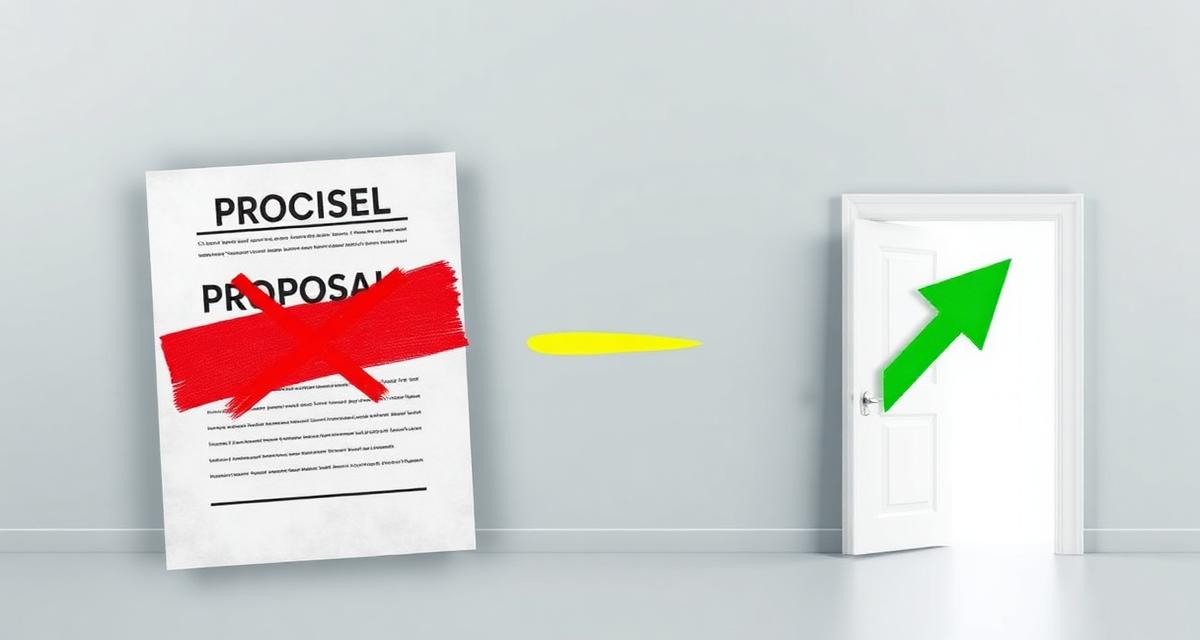
If still no response, send a final message that closes the loop professionally while leaving the door open.
Template: "Hi [Name], I've followed up a few times and haven't heard back, so I'll assume the timing isn't right for this project. I'll close out my follow-up for now. If circumstances change or you'd like to explore this in the future, I'd be happy to reconnect. Wishing you well with [their business/project]!"
Follow-Up Best Practices
Follow-Up Best Practices includes: Add value each time: Don't just ask "did you get my proposal?
- Add value each time: Don't just ask "did you get my proposal?" Share a relevant insight, case study, or offer to address concerns
- Keep it brief: Long emails are less likely to get responses
- Use different channels: If email isn't working, try phone or LinkedIn
- Respect their time: Be persistent without being pushy
- Track your outreach: Know when you followed up and what you said
What Not to Do
Don't follow up daily—this is harassment Don't be passive-aggressive ("I'm sure you're busy, but...
- Don't follow up daily—this is harassment
- Don't be passive-aggressive ("I'm sure you're busy, but...")
- Don't assume the worst—most silence is just busyness
- Don't keep following up indefinitely—know when to stop
When They Say "Not Right Now"
Sometimes you'll get a "timing isn't right" response.
Sometimes you'll get a "timing isn't right" response. This is valuable information:
- Thank them for letting you know
- Ask if you can follow up in [specific timeframe]
- Set a reminder to reconnect later
- Stay on their radar with occasional value-add touches
Automate Where Possible
Use your CRM or task management system to automate follow-up reminders. Never rely on memory for something this important.
Use your CRM or task management system to automate follow-up reminders. Never rely on memory for something this important. Proposal software can track opens and remind you to follow up.
Next Steps
Create your follow-up templates now so you're ready when you send your next proposal. Set up a reminder system. Track your close rates before and after implementing consistent follow-up.
For more on winning work, see our guide on pricing project work and handling proposal rejection.
Reading the Silence Correctly
Not all non-responses mean the same thing, and how you interpret the silence should shape your next message.
- No response after a strong initial call: Usually means internal approval delays—your check-in should offer help navigating that process
- No response after a cold-sent proposal: May indicate mismatched expectations—your follow-up should reconfirm fit before pushing for a decision
- A vague "still reviewing" reply: Take it at face value and ask for a realistic timeline rather than guessing
What to Include in Every Follow-Up
Regardless of channel or timing, effective follow-ups share a few common elements.
- Reference the specific proposal: Mention the project name or date sent so the client doesn't have to search their inbox
- Add new value: A relevant case study, an answer to a likely objection, or a small flexibility offer keeps the message from feeling repetitive
- Make responding easy: Ask a yes/no question or offer specific times for a call rather than an open-ended "let me know your thoughts"
Comparing Follow-Up Channels
Email is the default, but switching channels partway through a follow-up sequence can revive a stalled conversation.
| Channel | Tone | Response Rate | Best For |
|---|---|---|---|
| Professional, low-pressure | Moderate | Best for: the first two follow-ups and most business communication | |
| Phone call | Direct, personal | Higher when answered | Best for: breaking through after 2+ unanswered emails |
| LinkedIn message | Casual, professional | Moderate | Best for: reaching decision-makers who are slow on email |
| Text/SMS | Very direct | High but situational | Best for: existing clients you already text, not cold prospects |
Frequently Asked Questions
How many times should I follow up on a proposal before giving up?
Most professionals follow up 3-5 times over about three weeks, spacing messages further apart each time, before sending a final graceful close that leaves the door open for the future.
Is it unprofessional to follow up more than once?
No—multiple follow-ups are standard practice and expected in most industries. What matters is spacing them appropriately and adding value each time rather than simply repeating "did you see my proposal?"
What should I do if a client says the timing isn't right?
Thank them for the update, ask if you can check back in a specific timeframe (such as three months), and set a reminder so you follow up proactively rather than waiting indefinitely.
Should I follow up by phone if email isn't working?
Yes, especially after two unanswered emails—a brief, friendly call can re-engage a busy prospect faster than another email sitting in their inbox.
More in this series (11 articles)
From this series
Win more clients with compelling proposals and accurate estimates.
Related Topics
Digital Marketing, SEO Specialist, Content Creator & Product Professional
Olayinka is a digital marketer, content creator, growth and SEO specialist with 10+ years helping businesses in Nigeria, the UK, the US, Australia, and Dubai achieve their goals online.