How to Write a Winning Business Proposal
Estimates & Proposals Series
This guide is part of a comprehensive series. Explore all 11 topics:
A business proposal is your opportunity to convince a potential client that you're the right choice for their project. It's not just a price list—it's a persuasive document that should demonstrate understanding, build trust, and make saying "yes" easy.
This guide covers the elements that separate winning proposals from forgettable ones.
Understanding the Purpose of a Proposal
Your proposal serves multiple functions:
Your proposal serves multiple functions:
- Demonstrates understanding: Shows you've listened and understood the client's needs
- Presents your solution: Explains how you'll address their challenges
- Builds credibility: Establishes why you're qualified to deliver
- Manages expectations: Sets clear boundaries on scope, timeline, and cost
- Facilitates decision: Makes it easy for the client to say yes
The Essential Proposal Structure
1. Executive Summary
Start with a concise overview that busy decision-makers can read in 60 seconds. Cover: the problem you're solving, your proposed approach, expected outcomes, and investment required. If they read nothing else, they should understand your value proposition.
2. Understanding of the Challenge
Demonstrate that you've listened. Restate the client's situation, challenges, and goals in your own words. This section builds trust by showing you understand their world before trying to sell them anything.
3. Proposed Solution
Detail what you'll do and how you'll do it. Be specific enough to demonstrate competence but avoid overwhelming technical jargon. Focus on outcomes and benefits alongside the activities.
4. Deliverables and Timeline
List exactly what the client will receive and when. Clear deliverables prevent scope creep and set proper expectations. Include milestones if the project is complex.
5. Investment
Present your pricing clearly. "Investment" framing is intentional—you're not just quoting a cost, you're showing what they get for their money. Break down pricing if it helps demonstrate value.
6. About You/Your Company
Brief credentials, relevant experience, and social proof (testimonials, case studies). Don't overdo this—the focus should be on the client's problem, not your history.
7. Next Steps
Make it crystal clear what happens next. "To proceed, sign below and return by [date]" is better than "Let me know what you think."
Pricing Presentation Strategies
How you present pricing matters as much as the price itself:
How you present pricing matters as much as the price itself:
- Anchor high: If offering options, present the premium option first
- Show value first: List benefits before revealing price
- Use three options: Good/Better/Best packages help clients self-select
- Break it down: Monthly payments feel smaller than annual lump sums
- Contextualize: Compare your fee to the cost of not solving the problem
Common Proposal Mistakes
Avoid these pitfalls:
- Too long: Busy people won't read 20-page proposals for mid-sized projects
- Too generic: Copy-paste proposals that don't address specific client needs
- Feature-focused: Listing what you do instead of what the client gains
- No clear next step: Leaving the client unsure how to proceed
- Delayed sending: Waiting too long after the initial conversation
Following Up on Proposals
Your job isn't done when you hit send:
Your job isn't done when you hit send:
- Send a brief email confirming receipt and offering to answer questions
- Follow up in 3-5 days if you haven't heard back
- Offer a quick call to walk through the proposal together
- Ask if there are concerns or questions preventing a decision
Converting Proposals to Projects
When the client accepts, transition smoothly:
When the client accepts, transition smoothly:
- Get formal acceptance in writing (signed proposal or contract)
- Collect any required deposit
- Send a welcome email with project kickoff details
- Create the first milestone or invoice as appropriate
Using proposal and estimate tools that convert directly to invoices streamlines this process and ensures consistency.
Comparing Pricing Presentation Formats
Comparing Pricing Presentation Formats — Single flat price: Simple, easy to say yes or no — Low.
| Format | Client Perception | Complexity to Build | Best For |
|---|---|---|---|
| Single flat price | Simple, easy to say yes or no | Low | Best for: small, well-defined projects |
| Good/Better/Best tiers | Gives a sense of control and choice | Medium | Best for: mid-size projects with optional add-ons |
| Itemized line-item breakdown | Transparent, but can invite line-item negotiation | Medium | Best for: clients who want to see exactly what they're paying for |
| Value-based single investment | Focused on outcomes, not hours | High (requires strong positioning) | Best for: experienced consultants selling measurable business outcomes |
Next Steps
Start improving your proposals today. For more on the relationship between proposals, quotes, and invoices, see our guide on understanding estimates, quotes, and invoices. For the complete picture on winning and managing client work, visit our proposals and estimates guide.
Frequently Asked Questions
How long should a business proposal be?
For most freelance and small business projects, 2-4 pages is enough; only large, complex engagements with multiple stakeholders typically warrant a longer document.
Should I include pricing in the initial proposal or wait?
Include pricing in the proposal itself whenever possible—separating it into a follow-up step usually just delays the decision and gives the client less context for the number.
How soon should I follow up after sending a proposal?
Follow up within 3-5 business days if you haven't heard back, and a second time about a week later if there's still no response, before moving on.
What's the difference between a proposal and a quote?
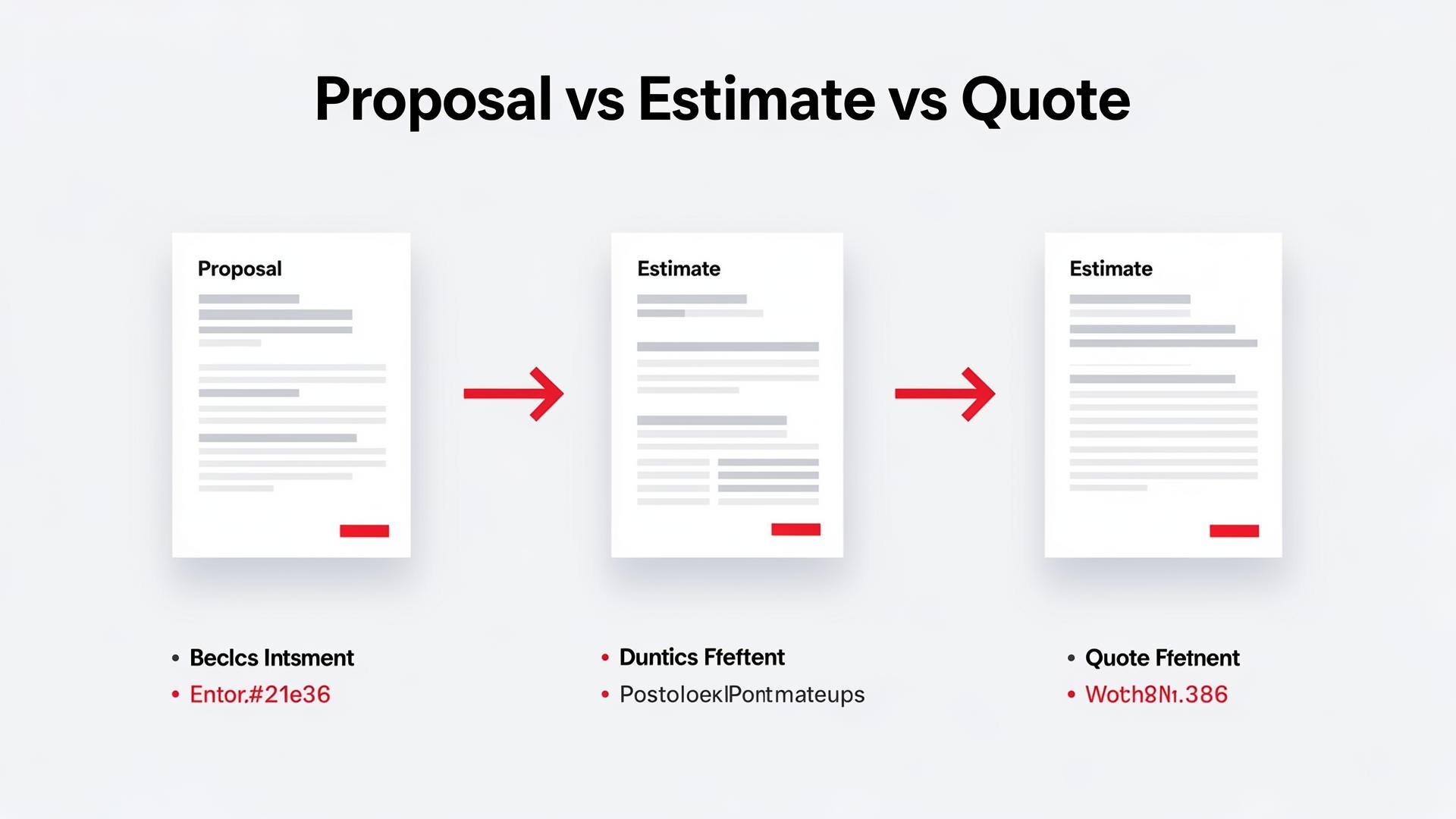
A quote is typically a simple price for defined work, while a proposal is a more persuasive document that explains your understanding of the problem, your approach, and the value of working with you, in addition to the price.
More in this series (11 articles)
From this series
Win more clients with compelling proposals and accurate estimates.
Related Topics
Digital Marketing, SEO Specialist, Content Creator & Product Professional
Olayinka is a digital marketer, content creator, growth and SEO specialist with 10+ years helping businesses in Nigeria, the UK, the US, Australia, and Dubai achieve their goals online.