Taking Unpaid Invoices to Small Claims Court: What You Need to Know
Getting Paid Faster Series
This guide is part of a comprehensive series. Explore all 40 topics:
A practical guide to filing a small claims court case for unpaid invoices — costs, processes, evidence needed, and what to expect. This guide gives the answer first, then covers required invoice fields, workflow choices, compliance checks, common mistakes, and practical next steps so readers can act without comparing multiple sources.
When Small Claims Court Makes Sense
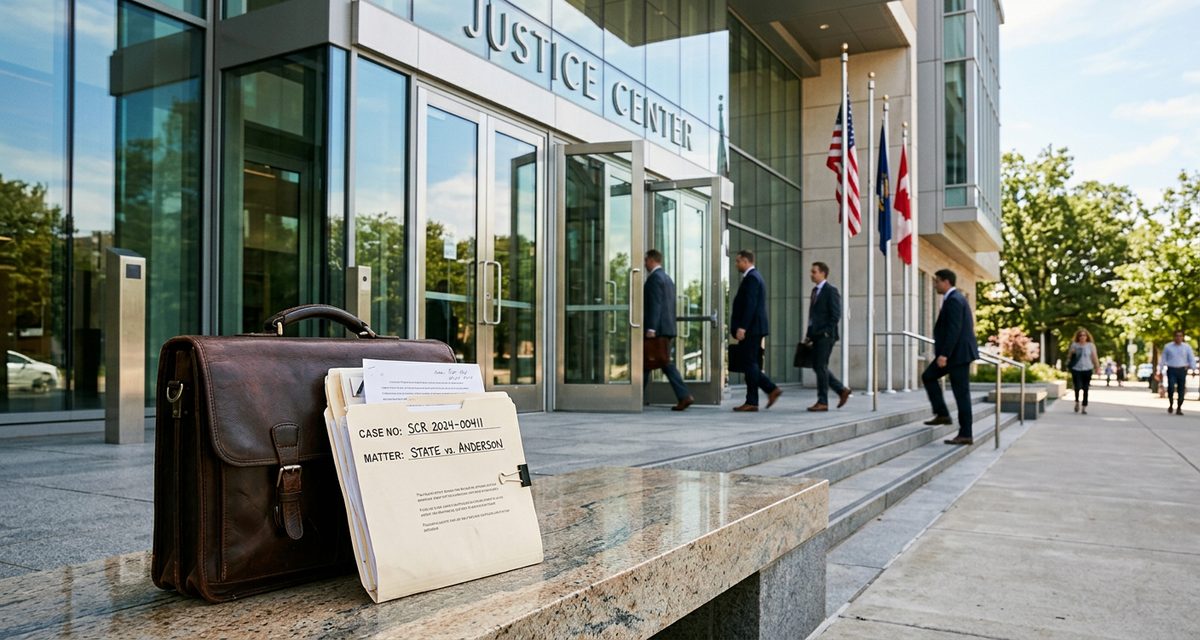
Small claims court is designed for resolving disputes involving relatively small amounts without needing a lawyer. It's faster, cheaper, and more accessible than regular civil court.
Small claims court is designed for resolving disputes involving relatively small amounts without needing a lawyer. It's faster, cheaper, and more accessible than regular civil court. For freelancers and small businesses owed money by non-paying clients, it's often the most practical legal remedy.
Before filing, ensure you've exhausted other options: you've sent reminders, a formal demand letter, and attempted to negotiate. Courts look favorably on claimants who've tried to resolve the matter before filing.
Small Claims Court Limits by Country
United Kingdom
- Limit: £10,000 (England/Wales), £5,000 (Scotland)
- Filing fee: £35-£455 depending on claim amount (online claims are cheaper)
- Process: File online at Money Claims Online (MCOL) or at your local County Court
- Timeline: 6-12 weeks for straightforward claims
United States
- Limit: Varies by state — $2,500 (KY) to $25,000 (TN, DE)
- Filing fee: $30-$100 typically
- Process: File at your local courthouse; some states allow online filing
- Note: You generally cannot have an attorney represent you in small claims (varies by state)
Australia
- Limit: $25,000 AUD (NSW), $10,000 AUD (VIC VCAT), varies by state
- Filing fee: $51-$500 AUD depending on state and amount
- Process: File at your local Magistrates Court or tribunal
India
- Limit: ₹10 lakh (District Consumer Forum), ₹50 lakh (State Commission)
- Filing fee: Nominal — ₹200-₹5,000
- Alternative: MSME Samadhaan portal for registered MSMEs (no limit)
Nigeria
- Limit: ₦5 million (Small Claims Court, Lagos State); varies by state
- Filing fee: ₦2,000-₦10,000
- Process: File at the Magistrate Court in the appropriate jurisdiction
Evidence You Need to Prepare
Gather all of the following before filing:
Gather all of the following before filing:
- The signed contract or proposal — proving the agreement existed
- The invoice(s) in question — printed from your invoicing software with timestamps
- Proof of delivery — emails confirming receipt of deliverables, signed delivery notes
- Communication trail — all emails, messages, and call logs related to the work and payment requests
- Your demand letter — proof you attempted to resolve before filing
- Any partial payments — receipts for payments received
- Bank statements — showing no payment was received
Organize documents chronologically. Courts appreciate clear, well-organized evidence. If you use Invoicemonk, you can export a complete invoice history with audit trails.
The Filing Process (Step by Step)
The Filing Process (Step by Step) includes: Determine jurisdiction — typically where the defendant is located or where the contract was performed Complete the claim form — state the facts simply: who owes what, when it was due, and why
- Determine jurisdiction — typically where the defendant is located or where the contract was performed
- Complete the claim form — state the facts simply: who owes what, when it was due, and why
- Pay the filing fee — varies by jurisdiction and amount claimed
- Serve the defendant — the court usually handles this, but some jurisdictions require you to arrange service
- Wait for response — the defendant has 14-30 days to respond
- Attend the hearing — present your evidence clearly and concisely
- Receive judgment — if you win, the court orders payment
- Enforce the judgment — if the defendant still doesn't pay, you may need to apply for enforcement (bailiffs, attachment of earnings, etc.)
Tips for Winning Your Case
Tips for Winning Your Case includes: Be professional — judges respond to calm, factual presentations Stick to the facts — avoid emotional language about how the non-payment affected you
- Be professional — judges respond to calm, factual presentations
- Stick to the facts — avoid emotional language about how the non-payment affected you
- Bring organized evidence — tabbed folders with copies for the judge, defendant, and yourself
- Practice your statement — you'll have 5-10 minutes to present your case
- Include all costs — claim the original debt, statutory interest (where applicable), and court filing fees
FAQ
What if the client is in a different country?
Cross-border small claims are complex. Within the EU, the European Small Claims Procedure covers claims up to €5,000.
Cross-border small claims are complex. Within the EU, the European Small Claims Procedure covers claims up to €5,000. For other international disputes, mediation or international arbitration may be more practical than court.
What if I win but they still don't pay?
A court judgment doesn't guarantee payment. You may need to apply for enforcement — e.
A court judgment doesn't guarantee payment. You may need to apply for enforcement — e.g., County Court Judgment (CCJ) in the UK, which affects the defendant's credit rating. This is often enough to trigger payment.
More in this series (40 articles)
From this series
Strategies and tools to accelerate your payment collection and improve cash flow.
Related Topics
Digital Marketing, SEO Specialist, Content Creator & Product Professional
Olayinka is a digital marketer, content creator, growth and SEO specialist with 10+ years helping businesses in Nigeria, the UK, the US, Australia, and Dubai achieve their goals online.