What Is an IRN? Invoice Reference Number Explained Across India, Nigeria, and Ghana
Global E-Invoicing Platform Series
This guide is part of a comprehensive series. Explore all 36 topics:
An Invoice Reference Number (IRN) is a unique, deterministic identifier issued by a tax authority's portal after the seller's structured invoice payload passes validation. It is the artefact that converts a draft document into a legally valid invoice in clearance jurisdictions — without an IRN, the invoice has no legal status, the buyer cannot reclaim input VAT, and (in some regimes) no payment obligation has crystallised. India's GST IRN, Nigeria's NRS IRN, and Ghana's GRA IRN are the three live regimes that use the IRN name explicitly; Malaysia and Saudi Arabia use different names for the same role.
At a glance
- Concept: Tax-authority-issued, deterministic invoice identifier.
- Issuing authority: NIC IRP (India), NRS MBS (Nigeria), GRA e-VAT (Ghana).
- Generated from: Canonical hash of the invoice payload + (in some regimes) the signature.
- Length / format: 64-char SHA-256 hex (India), regulator-defined string (Nigeria, Ghana).
- Companion artefact: Signed verification QR, always co-presented on the buyer PDF.
- Legal effect: Without IRN, invoice is not legally valid for VAT recovery.
- Last reviewed: 20 November 2026 against the NIC IRP API spec and the NRS / GRA portals.
Where the IRN sits in the e-invoicing stack
The IRN is the outcome of the clearance step in a clearance-model regime.
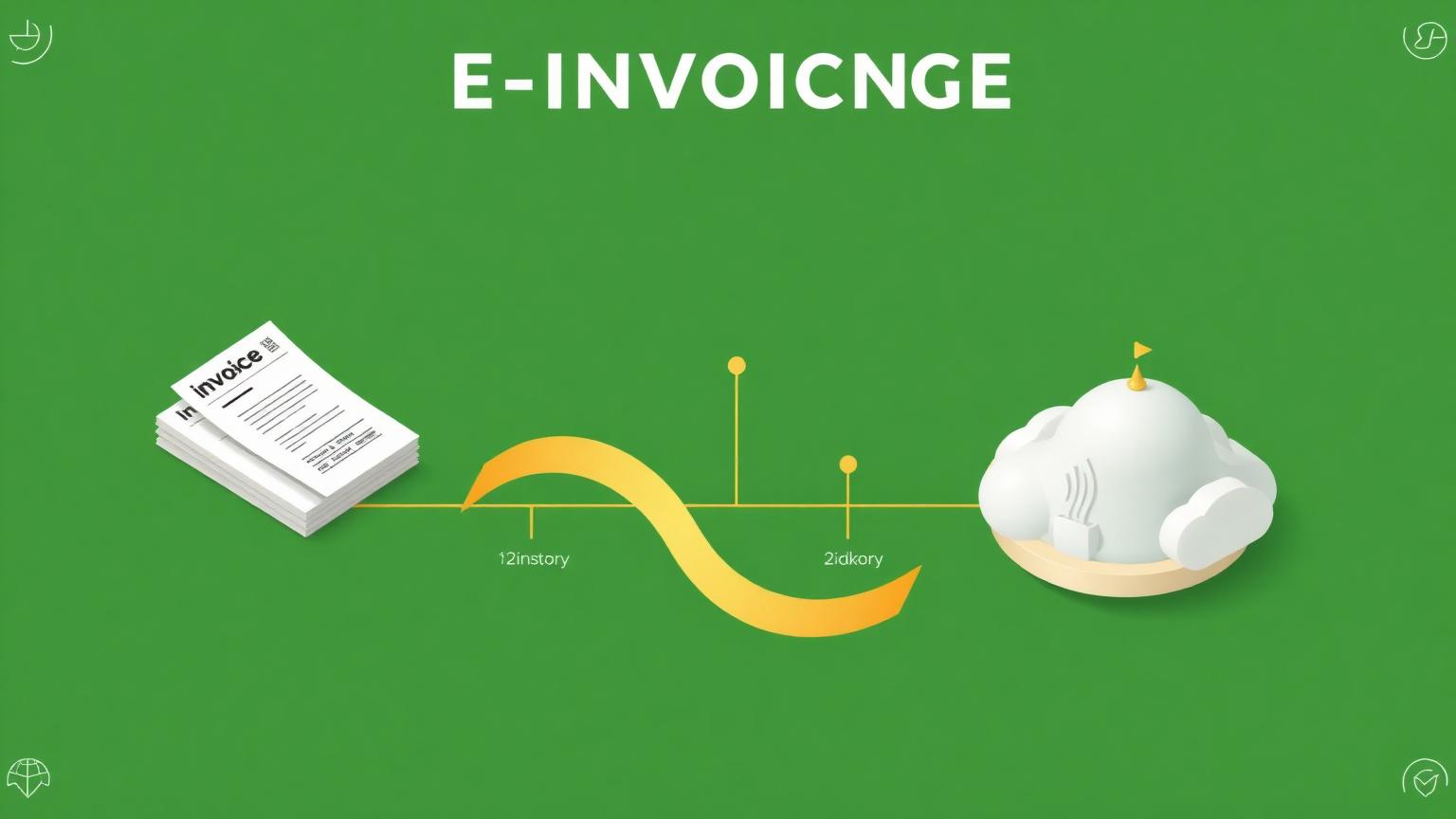
The IRN is the outcome of the clearance step in a clearance-model regime. Seller renders the payload → seller signs → regulator validates → regulator returns the IRN → seller renders IRN + QR onto the buyer PDF. Across India, Nigeria, and Ghana the wording differs but the role is identical: it is the regulator's stamp of validity. To see where this fits in the broader taxonomy, read clearance vs reporting models.
Definition
An Invoice Reference Number is a tax-authority-issued identifier assigned to a structured electronic invoice after the issuing portal validates the payload. It is deterministic — the same payload submitted twice produces the same IRN, which lets the regulator deduplicate and the seller reconcile.
An Invoice Reference Number is a tax-authority-issued identifier assigned to a structured electronic invoice after the issuing portal validates the payload. It is deterministic — the same payload submitted twice produces the same IRN, which lets the regulator deduplicate and the seller reconcile. It is also non-portable: an IRN issued in one jurisdiction has no meaning in another.
How an IRN is generated
The pattern is shared across all three regimes:
The pattern is shared across all three regimes:
- The seller builds the structured payload (JSON in Nigeria and India, regulator-defined schema in Ghana).
- The payload is canonicalised so the hash is reproducible.
- The payload is submitted to the authority's portal (NIC IRP, NRS MBS, GRA e-VAT).
- The portal validates schema, parties, tax computation, and (in Nigeria) the digital signature.
- The portal computes the IRN deterministically (e.g. SHA-256 over
supplierGSTIN + documentType + documentNumber + financialYearin India). - The IRN is returned synchronously with a signed verification QR.
IRN in India (GST IRN)
How is the IRN computed?
The NIC Invoice Registration Portal computes the IRN as a SHA-256 hash of SupplierGSTIN + DocumentType + DocumentNumber + FinancialYear, returned as a 64-character lower-case hex string.
The NIC Invoice Registration Portal computes the IRN as a SHA-256 hash of SupplierGSTIN + DocumentType + DocumentNumber + FinancialYear, returned as a 64-character lower-case hex string. The portal also returns a signed JWT QR containing the IRN, the supplier and recipient GSTINs, the document totals, and the IRP signature.
Who is in scope?
Taxpayers with aggregate annual turnover above ₹5 crore (the current threshold since 1 August 2023) must issue e-invoices for B2B, B2G, and export transactions. B2C is currently out of scope at the GST level.
Taxpayers with aggregate annual turnover above ₹5 crore (the current threshold since 1 August 2023) must issue e-invoices for B2B, B2G, and export transactions. B2C is currently out of scope at the GST level. There are six authorised IRPs (NIC IRP1, NIC IRP2, plus four private IRPs) and a taxpayer may submit to any of them.
What goes on the buyer PDF?
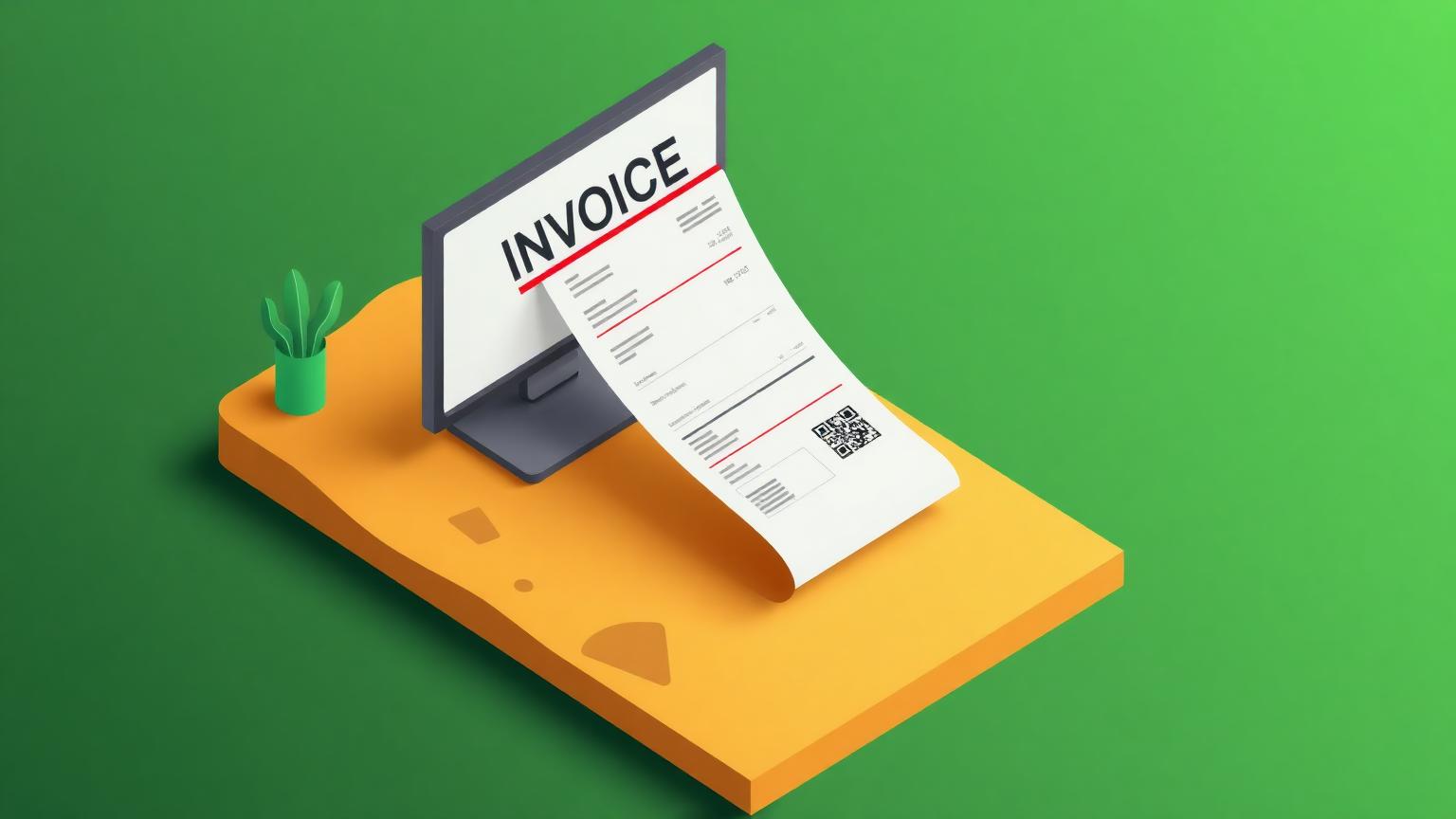
The IRN, the signed QR, and the supplier's normal invoice number. The QR resolves to a verification page on the NIC IRP that confirms the IRN, the GSTINs, the totals, and the IRP that issued it.
The IRN, the signed QR, and the supplier's normal invoice number. The QR resolves to a verification page on the NIC IRP that confirms the IRN, the GSTINs, the totals, and the IRP that issued it. See GST IRN India for the full mandate detail.
IRN in Nigeria (NRS MBS)
How is the IRN computed?
The NRS MBS issues the IRN after validating the signed JSON payload (schema, TINs, 7. 5% VAT, applicable WHT, signature).
The NRS MBS issues the IRN after validating the signed JSON payload (schema, TINs, 7.5% VAT, applicable WHT, signature). The IRN binds the cleared payload to the merchant credential used to sign it, so reverse-engineering the IRN without the credential is not possible.
Who is in scope?
Large taxpayers since the Q3 2025 pilot; medium and small phased through 2026 per the NRS February 2026 schedule. See FIRS MBS Nigeria explained for the full rollout and how to comply with FIRS MBS for the implementation walkthrough.
Large taxpayers since the Q3 2025 pilot; medium and small phased through 2026 per the NRS February 2026 schedule. See FIRS MBS Nigeria explained for the full rollout and how to comply with FIRS MBS for the implementation walkthrough.
What goes on the buyer PDF?
The NRS IRN and a verification QR pointing to the NRS public verification endpoint. The buyer scans the QR to confirm the seller, the buyer TIN, the totals, and that the NRS validated the invoice.
The NRS IRN and a verification QR pointing to the NRS public verification endpoint. The buyer scans the QR to confirm the seller, the buyer TIN, the totals, and that the NRS validated the invoice.
IRN in Ghana (GRA e-VAT)
How is the IRN computed?
The GRA e-VAT system issues the IRN after validating the seller's payload. Phase 2 of the GRA rollout — confirmed by the GRA in May 2025 — moves from the legacy 30-day manual VAT filing to a 48-hour electronic issuance window, with the IRN as the validation artefact.
The GRA e-VAT system issues the IRN after validating the seller's payload. Phase 2 of the GRA rollout — confirmed by the GRA in May 2025 — moves from the legacy 30-day manual VAT filing to a 48-hour electronic issuance window, with the IRN as the validation artefact.
Who is in scope?
The GRA reported over 3,000 onboarded taxpayers by 2025 with 5,000+ in the next wave, scoped progressively across large and medium taxpayers. Confirm your wave through the GRA e-VAT portal.
The GRA reported over 3,000 onboarded taxpayers by 2025 with 5,000+ in the next wave, scoped progressively across large and medium taxpayers. Confirm your wave through the GRA e-VAT portal.
What goes on the buyer PDF?
The GRA IRN, the GRA digital signature, and a verification QR. The PDF must be issued within 48 hours of the transaction date per the Phase 2 mandate.
The GRA IRN, the GRA digital signature, and a verification QR. The PDF must be issued within 48 hours of the transaction date per the Phase 2 mandate.
IRN vs UUID vs CSID
Three identifiers ride along on cleared e-invoices and they are easy to confuse:
Three identifiers ride along on cleared e-invoices and they are easy to confuse:
- IRN — the unique invoice ID issued by the regulator after clearance. India, Nigeria, Ghana.
- UUID — the validated invoice ID issued by LHDN MyInvois (Malaysia). Same role as IRN, different name.
- CSID — the seller's signing certificate (ZATCA). Not an invoice ID. See what is a CSID.
Rule of thumb: IRN / UUID identify an invoice; CSID identifies the seller's signing capability.
Common IRN mistakes and how to avoid them
Common IRN mistakes and how to avoid them includes: Treating the IRN as the invoice number — they are separate. The seller's invoice number is seller-controlled and customer-visible; the IRN is regulator-issued and proves clearance.
- Treating the IRN as the invoice number — they are separate. The seller's invoice number is seller-controlled and customer-visible; the IRN is regulator-issued and proves clearance.
- Pre-computing the IRN locally and storing it as final — only the regulator's response is authoritative. Local pre-computation is useful for canonicalisation testing only.
- Submitting the same payload twice expecting different IRNs — the IRN is deterministic. A duplicate submission returns the same IRN, not an error.
- Forgetting the IRN on credit notes — cancellations and credit notes need their own IRN through the same clearance flow and must reference the original IRN in the header.
- Hiding the IRN from the buyer PDF — without IRN + QR on the buyer's copy, the buyer cannot prove clearance and may legitimately refuse payment.
Key takeaways
Key takeaways includes: IRN = tax-authority-issued, deterministic identifier that turns a structured payload into a legally valid invoice. Live under that name in India, Nigeria, and Ghana; same role under different names elsewhere (UUID in Malaysia, cleared XML stamp in Saudi Arabia).
- IRN = tax-authority-issued, deterministic identifier that turns a structured payload into a legally valid invoice.
- Live under that name in India, Nigeria, and Ghana; same role under different names elsewhere (UUID in Malaysia, cleared XML stamp in Saudi Arabia).
- Computed deterministically from the canonical payload — the same payload always produces the same IRN.
- Must be co-presented with the verification QR on the buyer PDF.
- Not the same as the seller's invoice number, the UUID, or the CSID.
Related reading
For the live regimes, read FIRS MBS Nigeria explained and the GST IRN India mandate page. To compare against the QR-style proof in ZATCA, read what is a CSID.
For the live regimes, read FIRS MBS Nigeria explained and the GST IRN India mandate page. To compare against the QR-style proof in ZATCA, read what is a CSID. For the broader architectural context, read clearance vs reporting models. The pillar is global e-invoicing.
Authority sources
- NIC IRP — IRN schema attribute mapping (INV-01)
- GSTN — Goods and Services Tax Network IRN FAQs
- GSTN — e-Invoicing Overview 2025 leaflet
- NRS Merchant Buyer Solution portal — Nigeria IRN issuance
- GRA — Electronic Value Added Tax (e-VAT) service page
- GRA — Implementation of Electronic Invoicing of VAT, Phase Two
- Ghana News Agency — GRA replaces 30-day manual VAT filing with 48-hour electronic system (May 2025)
More in this series (36 articles)
From this series
Mandate-compliant e-invoicing in 17 jurisdictions, with the local artefact (CSID, IRN, UUID, QR, digital signature) issued automatically.
Digital Marketing, SEO Specialist, Content Creator & Product Professional
Olayinka is a digital marketer, content creator, growth and SEO specialist with 10+ years helping businesses in Nigeria, the UK, the US, Australia, and Dubai achieve their goals online.