KRA eTIMS Kenya Explained: Scope, Variants, VAT Handling, and the 2026 Income-Tax Linkage
Global E-Invoicing Platform Series
This guide is part of a comprehensive series. Explore all 36 topics:
KRA eTIMS (Electronic Tax Invoice Management System) is Kenya's national clearance regime: every in-scope invoice is signed with a KRA-onboarded credential, posted to the eTIMS API, assigned a Control Unit Invoice Number, and printed on the buyer PDF together with a KRA-verification QR. Scope has been universal since 1 September 2023, covering VAT-registered and non-VAT-registered taxpayers alike; from 1 January 2024 expenses without an eTIMS invoice are disallowed for income tax, and from 1 January 2026 KRA systematically validates income-tax returns against eTIMS, withholding, and customs data.
At a glance
- Authority: Kenya Revenue Authority (KRA).
- Model: Clearance — every in-scope invoice goes through eTIMS before it is legally valid.
- Scope: All persons carrying on business in Kenya from 1 September 2023 (VAT and non-VAT).
- Variants: eTIMS Lite, eTIMS Online (API), OSCU, VSCU, Multi-Paypoint.
- VAT rates: 16% standard, 8% on select fuel items, 0% zero-rated, exempt categories.
- Income-tax tie-in: Expense disallowance from 1 January 2024; systematic 2026 cross-validation.
- Last reviewed: 20 November 2026.
Where eTIMS sits among global mandates
eTIMS is part of the clearance-model wave — alongside ZATCA Phase 2, MyInvois, NRS / FIRS MBS, and GST IRN.
eTIMS is part of the clearance-model wave — alongside ZATCA Phase 2, MyInvois, NRS / FIRS MBS, and GST IRN. Kenya's distinguishing trait is the variant catalogue: a single payload contract surfaced through five operating modes, so a sole trader with a smartphone and a national retailer both have a sanctioned path to the same CU-INV outcome.
What eTIMS actually is
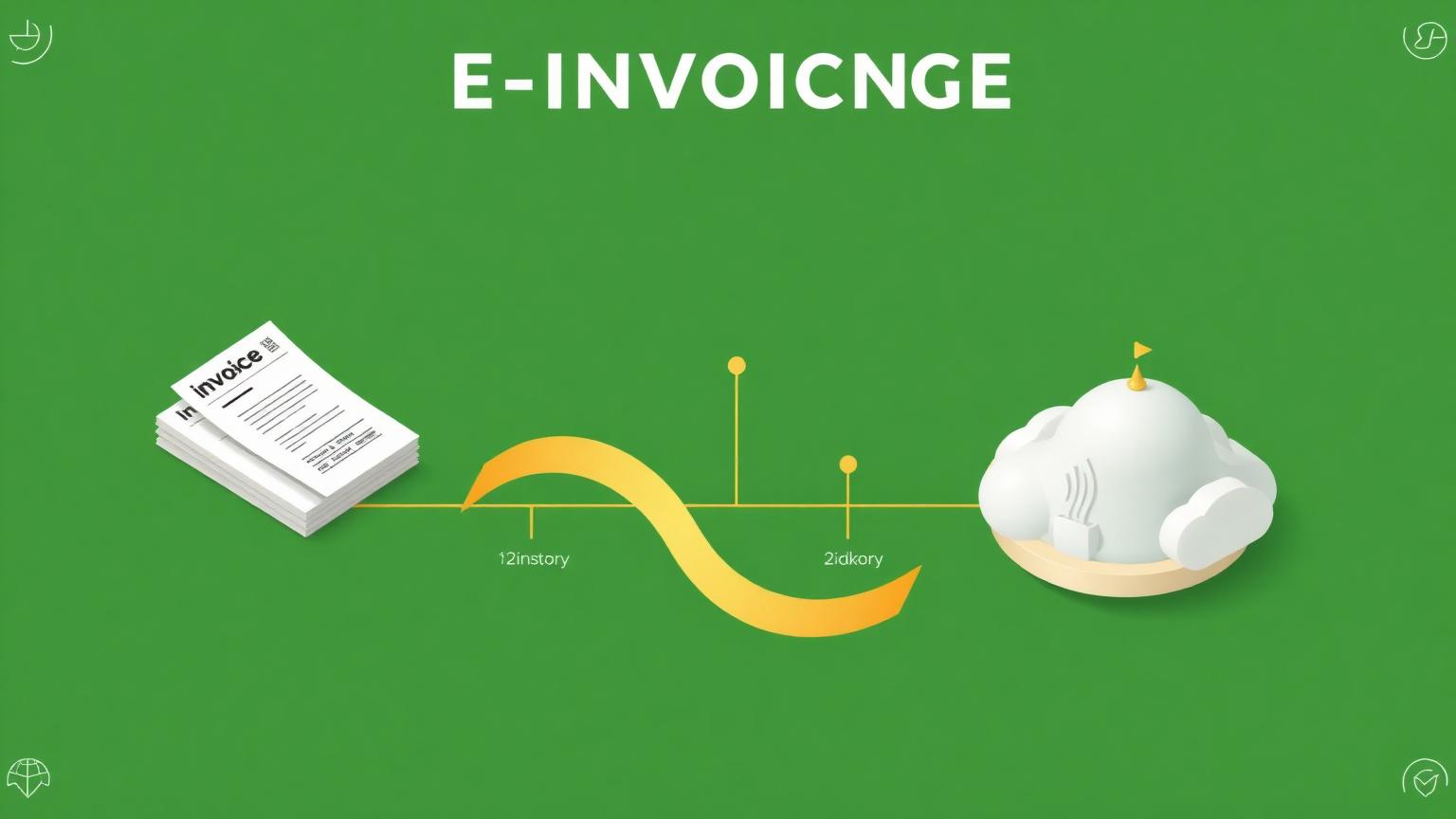
eTIMS sits between seller and buyer as a mandatory validator. The seller signs the payload with a KRA credential, submits, and only proceeds to the buyer after KRA returns a Control Unit Invoice Number and a QR resolving to KRA's public verification endpoint.
eTIMS sits between seller and buyer as a mandatory validator. The seller signs the payload with a KRA credential, submits, and only proceeds to the buyer after KRA returns a Control Unit Invoice Number and a QR resolving to KRA's public verification endpoint. Without the CU-INV, the invoice is not legally valid for the buyer's input VAT — and from 1 January 2024, not deductible against income tax.
Who must comply today
VAT-registered businesses — in scope since the eTIMS rollout opened. Non-VAT-registered persons — extended scope from 1 September 2023 per KRA public notice.
- VAT-registered businesses — in scope since the eTIMS rollout opened.
- Non-VAT-registered persons — extended scope from 1 September 2023 per KRA public notice.
- Sole traders, partnerships, companies, NGOs, cooperatives — universally in scope.
- Foreign suppliers — out of direct scope; the Kenyan buyer self-accounts under KRA reverse-charge guidance.
The eTIMS variants compared
The eTIMS variants compared — eTIMS Lite: Sole traders, very low volume — Online only.
| Variant | Best for | Connectivity | Form factor |
|---|---|---|---|
| eTIMS Lite | Sole traders, very low volume | Online only | Web portal |
| eTIMS Online | Cloud invoicing software users | Online API | Software API |
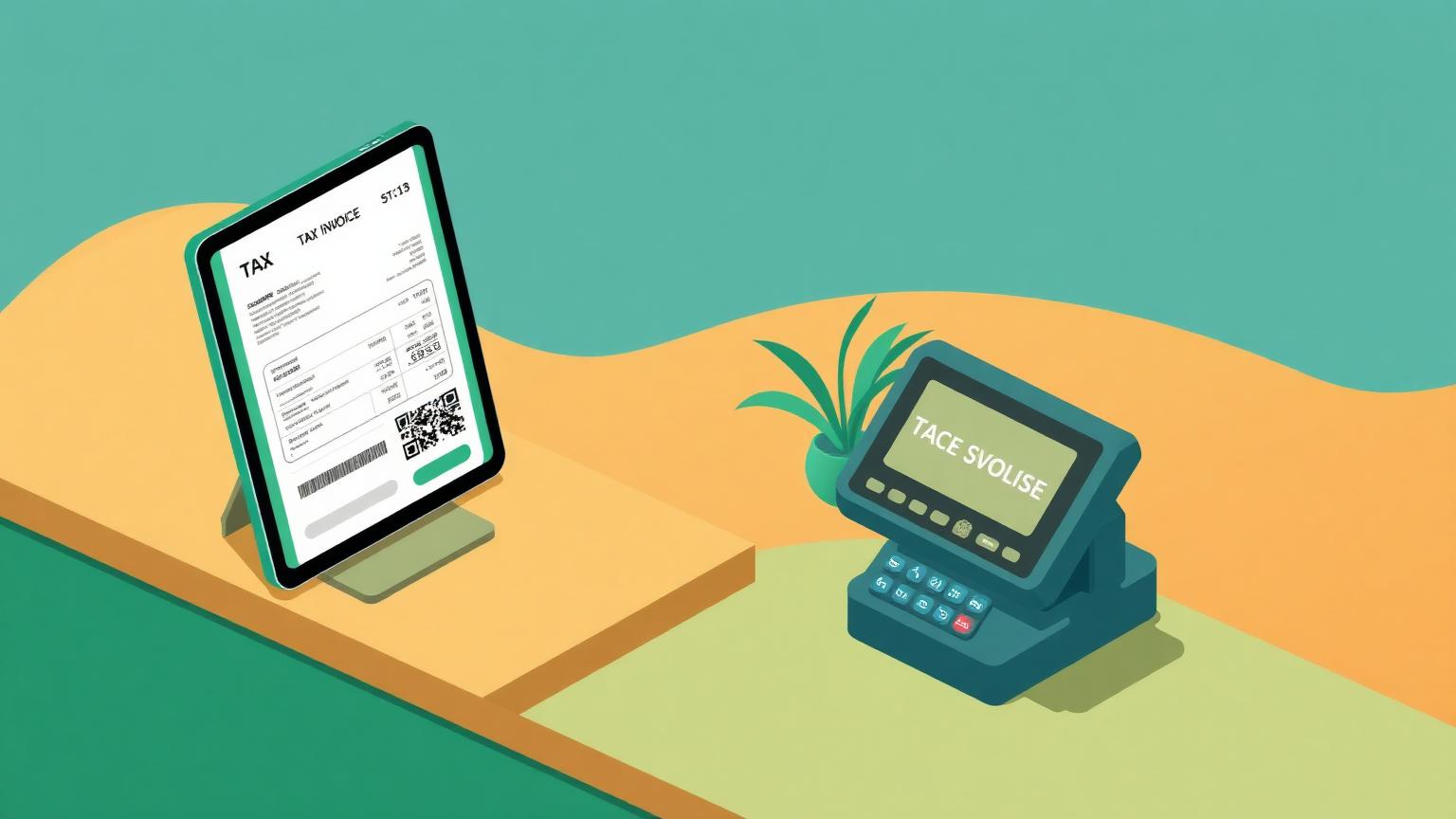
| OSCU | Brick-and-mortar retail with persistent connectivity | Online | KRA-issued physical device |
| VSCU | Mid-volume cloud retail / service | Online | Software-only Control Unit |
| Multi-Paypoint | Multi-branch retailers | Online per branch | One Control Unit per branch |
What the payload must contain
Seller and buyer KRA PINs, validated against the KRA registry. Line items with HS code or KRA classification.
- Seller and buyer KRA PINs, validated against the KRA registry.
- Line items with HS code or KRA classification.
- The VAT breakdown per line and per rate band.
- Currency, payment terms, and invoice type code.
- A digital signature bound to the seller's eTIMS credential.
VAT handling — 16% / 8% / 0% / exempt
VAT handling — 16% / 8% / 0% / exempt includes: 16% standard — most taxable supplies of goods and services. 8% — applies to certain fuel and energy items under the VAT Act.
- 16% standard — most taxable supplies of goods and services.
- 8% — applies to certain fuel and energy items under the VAT Act.
- 0% zero-rated — exports, certain food and agricultural items per VAT Act Second Schedule.
- Exempt — health, education, financial services on the exemption schedule.
VAT and income-tax consequences of non-compliance
Without a CU-INV, the invoice is not legally valid for the buyer's input VAT recovery. KRA also disallows the underlying expense for income tax.
Without a CU-INV, the invoice is not legally valid for the buyer's input VAT recovery. KRA also disallows the underlying expense for income tax. Operationally, buyers refuse to settle non-eTIMS invoices because their finance teams now know the expense will be denied; sellers who cannot issue compliant invoices lose contracts quickly.
The 2026 data-driven validation shift
From 1 January 2026, KRA systematically validates income-tax returns against the cross-system datasets: eTIMS invoice records, withholding-tax returns, and customs import data.
From 1 January 2026, KRA systematically validates income-tax returns against the cross-system datasets: eTIMS invoice records, withholding-tax returns, and customs import data. If your declared deductible expenses do not reconcile to eTIMS-supported invoices, KRA disallows them in the system and triggers reassessment. This makes eTIMS coverage on the supplier side a vendor-onboarding requirement, not a back-office hygiene point.
How eTIMS differs from other clearance regimes
The five-variant catalogue is unique.
The five-variant catalogue is unique. ZATCA Phase 2 expects every taxpayer to operate through a single signed-XML flow; MyInvois has one API contract with portal fallback; India's IRN is API-only. Kenya recognised early that "one path fits all" excludes a long tail of small operators, so eTIMS shipped with low-overhead variants. The cost is integrator complexity — Invoicemonk's eTIMS layer abstracts the differences. For the broader architectural map, see clearance vs reporting models.
Authority sources
- KRA — Learn about eTIMS (official FAQ)
- KRA public notice — eTIMS for non-VAT-registered persons
- KRA — OSCU and VSCU sign-up guide (PDF)
- KPMG Kenya tax alert — eTIMS and 2026 income-tax validation
- KRA eTIMS portal — Control Unit verification
- KRA homepage — notices, regulations, and policy updates
TL;DR
eTIMS is universal in Kenya, ships in five variants, and from January 2026 directly drives income-tax deductibility through KRA's cross-system validation. Variants matter for how you operate; the CU-INV outcome is the same — and increasingly non-negotiable.
eTIMS is universal in Kenya, ships in five variants, and from January 2026 directly drives income-tax deductibility through KRA's cross-system validation. Variants matter for how you operate; the CU-INV outcome is the same — and increasingly non-negotiable.
Related reading
Related reading includes: KRA eTIMS — Invoicemonk's Kenya implementation How to comply with KRA eTIMS — step-by-step
More in this series (36 articles)
From this series
Mandate-compliant e-invoicing in 17 jurisdictions, with the local artefact (CSID, IRN, UUID, QR, digital signature) issued automatically.
Digital Marketing, SEO Specialist, Content Creator & Product Professional
Olayinka is a digital marketer, content creator, growth and SEO specialist with 10+ years helping businesses in Nigeria, the UK, the US, Australia, and Dubai achieve their goals online.