Finding Your First Freelance Clients: A Practical Guide
Freelancer Success Series
This guide is part of a comprehensive series. Explore all 11 topics:
Every successful freelancer started with zero clients. The transition from "looking for work" to "fully booked" doesn't happen overnight, but with the right strategies, you can build a steady client pipeline faster than you think.
This guide covers proven methods for finding your first freelance clients—whether you're a designer, writer, developer, consultant, or any other service professional.
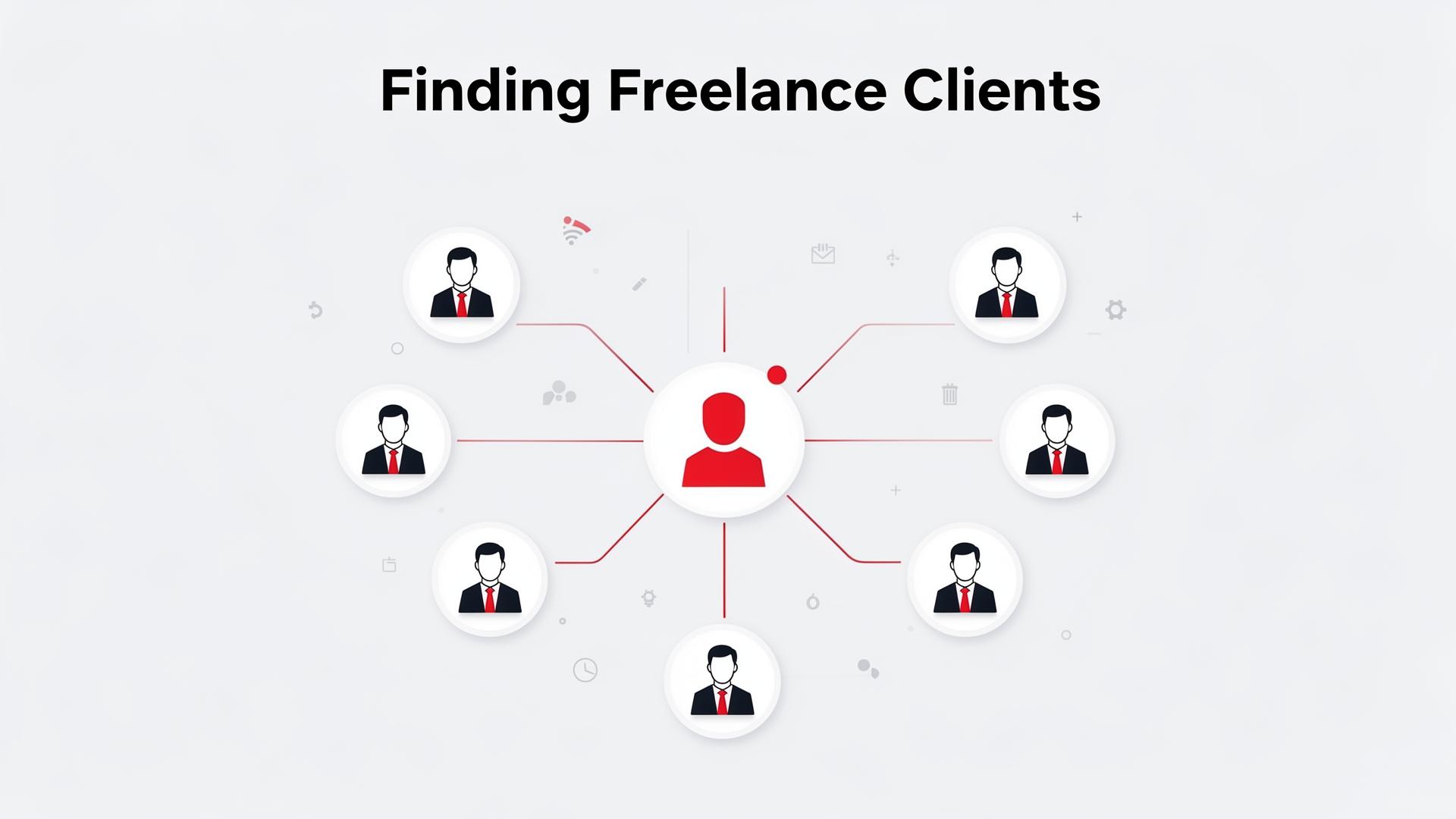
Start with Your Existing Network
Your first clients are often closer than you think.
Your first clients are often closer than you think. Before investing in marketing or platforms, tap into relationships you already have:
- Former employers: Companies you've worked for may need freelance help
- Former colleagues: They've moved to companies that might need your skills
- Friends and family: Not as clients necessarily, but as referral sources
- Professional associations: Industry groups, alumni networks, LinkedIn connections
Action step: Send a simple message to 20 people in your network announcing your freelance services. Be specific about what you offer and who you help.
Freelance Platforms
Online platforms connect freelancers with clients actively looking for help. For a detailed comparison, see our guide to finding your first freelance clients.
Online platforms connect freelancers with clients actively looking for help. For a detailed comparison, see our guide to finding your first freelance clients.
Getting Started on Platforms
- Complete your profile thoroughly: Incomplete profiles get ignored
- Start with competitive pricing: Build reviews first, then raise rates
- Apply to relevant projects only: Quality proposals beat quantity
- Respond quickly: Speed matters—first responders win more often
- Showcase results: Include portfolio pieces and measurable outcomes
Cold Outreach That Works
Reaching out directly to potential clients is uncomfortable but effective.
Reaching out directly to potential clients is uncomfortable but effective. The key is making it about them, not you:
- Research the company: Understand their business, challenges, and goals
- Find the right contact: Reach the decision-maker, not a general inbox
- Lead with value: Mention a specific problem you can solve for them
- Keep it short: 3–5 sentences maximum
- Follow up: Most responses come after the 2nd or 3rd follow-up
Content Marketing
Creating content that demonstrates your expertise attracts clients who are already looking for someone like you:
Creating content that demonstrates your expertise attracts clients who are already looking for someone like you:
- LinkedIn articles: Share insights relevant to your target clients
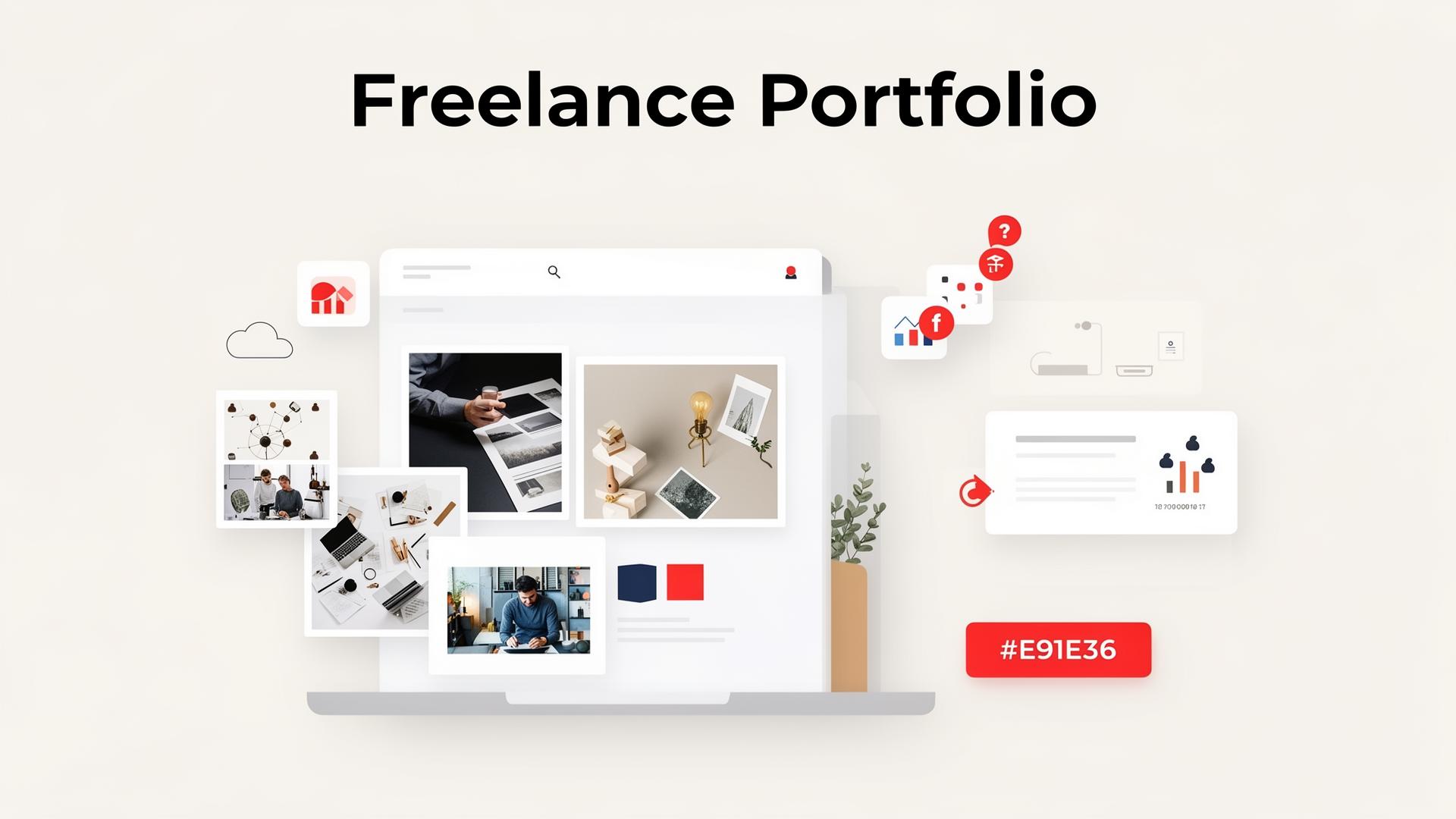
- Portfolio website: Showcase your best work—see our portfolio best practices guide
- Social media: Share tips, case studies, and behind-the-scenes content
- Guest posts: Write for publications your target clients read
Setting Up for Success
Once you start landing clients, be ready to handle the business side:
Once you start landing clients, be ready to handle the business side:
- Have contracts ready: Protect yourself with proper freelance contracts
- Set your pricing: Know your rates before the first conversation — see pricing strategies
- Use invoicing software: Professional invoicing sets the right first impression
- Track your time: Accurate time tracking ensures fair billing
Building Referral Systems
Referrals are the most reliable source of new clients.
Referrals are the most reliable source of new clients. After your first successful projects:
- Ask satisfied clients for referrals directly
- Offer referral incentives (discounts on future work)
- Request testimonials and reviews
- Stay in touch with past clients—they may have more work or know someone who does
Related Resources
- Complete Freelancer Business Guide
- Finding Your First Freelance Clients
- Freelance Portfolio Best Practices
- Pricing Your Freelance Services
Setting Realistic Expectations
Landing your first client rarely happens overnight, and comparing your timeline to someone else's highlight-reel story online can be discouraging and inaccurate.
Track your own outreach volume and response rate instead—if you're consistently sending pitches and following up, results tend to follow within a predictable window even if individual weeks feel slow.
Avoiding Common First-Client Mistakes
New freelancers often slow their own progress with a few avoidable habits.
- Waiting for the "perfect" portfolio: Start pitching with what you have; you can update samples as you land real work
- Applying to everything: Untargeted applications waste time—focus on projects matching your actual skills
- Undervaluing discovery calls: Treat every call as a two-way interview, not just a chance to be picked
- Neglecting follow-up: Many freelancers give up after one unanswered outreach message when a second or third often gets the response
Comparing Client Acquisition Channels
Each channel has a different speed-to-first-client and long-term payoff—most freelancers combine two or three rather than relying on just one.
| Channel | Speed to First Client | Effort Required | Best For |
|---|---|---|---|
| Existing network | Fast (days to weeks) | Low | Best for: freelancers with prior work experience or a professional network |
| Freelance platforms | Fast (days to weeks) | Medium (profile + proposals) | Best for: building initial reviews and steady, lower-commitment work |
| Cold outreach | Slow to moderate | High | Best for: targeting specific dream clients or niches |
| Content marketing | Slow (months) | High (ongoing) | Best for: long-term inbound leads and positioning as an expert |
| Referrals | Moderate, compounds over time | Low once established | Best for: sustainable growth after your first few projects |
Frequently Asked Questions
How long does it take to find your first freelance client?
Most freelancers land their first client within 2-6 weeks of active searching. The timeline depends on your industry, network size, and effort level. Tapping into your existing network is usually the fastest path.
Should I start on freelance platforms or find clients independently?
Do both simultaneously. Freelance platforms provide quick access to clients actively looking for help, while independent outreach and networking build longer-term, higher-value relationships.
Do I need a portfolio before I start looking for clients?
A small portfolio helps, but you don't need a large one—two or three strong samples, even from personal or spec projects, are enough to start pitching while you build real client work.
How much should I lower my rates to land my first clients?
A modest discount (10-20% below your target rate) to build initial reviews is reasonable, but avoid pricing so low that it attracts clients who don't value your work—raise rates steadily as you gain testimonials and experience.
More in this series (11 articles)
From this series
Build a thriving freelance business with practical guidance and tools.
Related Topics
Digital Marketing, SEO Specialist, Content Creator & Product Professional
Olayinka is a digital marketer, content creator, growth and SEO specialist with 10+ years helping businesses in Nigeria, the UK, the US, Australia, and Dubai achieve their goals online.