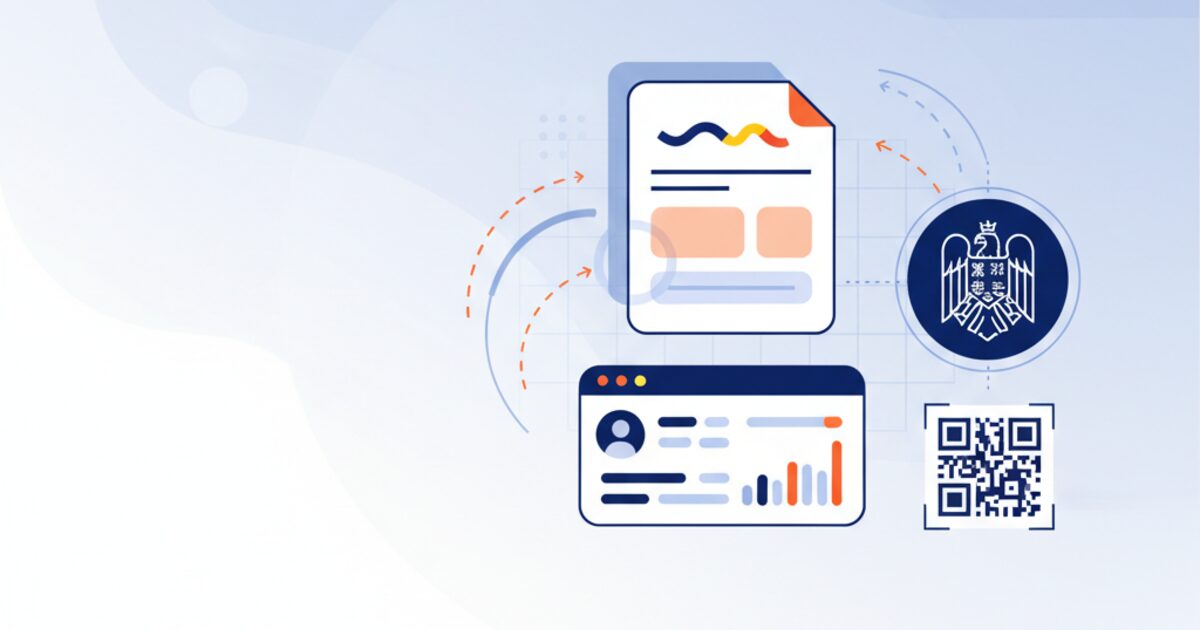
Romania E-Invoicing Guide: RO e-Factura, ANAF Compliance & Deadlines (2026)
Tax & Compliance
Stay audit-ready and compliant with tax regulations across different regions.
Tax & Compliance Series
This guide is part of a comprehensive series. Explore all 202 topics:
What Is Romania's RO e-Factura System?
RO e-Factura is Romania's national electronic invoicing system that centralizes all B2B invoice data through the ANAF platform. Businesses must transmit structured XML invoices to ANAF, which validates, stores, and makes them available to the recipient — creating a centralized, government-controlled invoice exchange.Key Milestones
- 2022: B2G (business-to-government) e-invoicing became mandatory
- July 2023: High-risk products (agriculture, alcohol, construction) required e-invoicing
- January 1, 2024: All B2B transactions between Romanian VAT-registered businesses require e-invoicing
- 2023-present: e-Transport system mandatory for high-risk goods movement
Who Must Comply?
Large enterprises, medium enterprises, small enterprises, and micro-enterprises Foreign companies with Romanian VAT registration
All businesses registered for Romanian VAT that conduct B2B transactions with other Romanian VAT-registered entities:- Large enterprises, medium enterprises, small enterprises, and micro-enterprises
- Foreign companies with Romanian VAT registration
- Self-employed professionals (PFA - Persoană Fizică Autorizată) if VAT-registered
What Format Does RO e-Factura Use?
Base standard: UBL 2.
Romania uses CIUS-RO (Core Invoice Usage Specification - Romania), a national profile based on the European standard EN 16931 and implemented in UBL 2.1 XML:- Base standard: UBL 2.1 XML conforming to EN 16931 semantic model
- Romanian extensions: Additional mandatory fields for CUI/CIF (tax ID), Romanian-specific tax codes
- Validation: ANAF performs schema and business rule validation in real-time
How Does the RO e-Factura Process Work?
Generate CIUS-RO XML from your invoicing software Submit to ANAF via the SPV (Spațiul Privat Virtual) portal or API
- Generate CIUS-RO XML from your invoicing software
- Submit to ANAF via the SPV (Spațiul Privat Virtual) portal or API
- ANAF validates and assigns a unique index number
- Invoice becomes available to the recipient in their SPV account
- Recipient downloads the invoice XML from ANAF
What Are the Penalties for Non-Compliance?
What Are the Penalties for Non-Compliance — Large enterprises: RON 5,000–10,000 — €1,000–2,000.
| Company Size | Penalty per Invoice | Approx. EUR |
|---|---|---|
| Large enterprises | RON 5,000–10,000 | €1,000–2,000 |
| SMEs and micro-enterprises | RON 2,500–5,000 | €500–1,000 |
- Invoices not submitted to RO e-Factura are not considered valid fiscal documents
- Buyers cannot deduct VAT on invoices not registered in the system
- e-Transport violations carry separate fines of RON 10,000–100,000
What Is the e-Transport System?
Alongside RO e-Factura, Romania operates the e-Transport system for tracking physical movement of high-risk goods. Businesses must register transport operations in ANAF's system before goods move, receiving a unique UIT (Unique Identification of Transport) code.Which Software Supports RO e-Factura?
Invoicemonk supports RO e-Factura with CIUS-RO XML generation, ANAF SPV integration, and real-time submission tracking. Our compliance engine validates invoices against ANAF's rules before submission.Frequently Asked Questions
How long should I keep business records?
Generally, keep records for 6-7 years. Nigeria (FIRS): 6 years, UK (HMRC): 6 years, US (IRS): 7 years for most records, Canada (CRA): 6 years, Australia (ATO): 5 years. Keep permanently: annual accounts, asset purchase records, and legal documents.
Learn more: Tax DeductionsWhat invoice elements are legally required?
Requirements vary by country but typically include: your business name/address, client details, unique invoice number, date, description of goods/services, amounts, tax breakdown (VAT/GST), and your tax registration number.
Learn more: Audit PreparationHow do I prepare for a tax audit?
Keep organized, dated records of all transactions. Maintain supporting documents (receipts, contracts, bank statements). Reconcile accounts regularly. Use accounting software for accurate, searchable records. Respond promptly to authority requests.
Learn more: Nigeria (FIRS)Do I need to charge VAT/GST on my invoices?
This depends on your registration status and thresholds. UK: VAT if turnover exceeds £85,000. Australia: GST if turnover exceeds $75,000. Nigeria: VAT registration required for businesses above threshold. US: Sales tax varies by state.
Learn more: UK (HMRC)Table of Contents
Explore the Tax & Compliance Series
202 articles to master this topic
Small Business Tax Compliance Guide: Stay Audit-Ready and Maximize Deductions
Navigate tax obligations with confidence. Learn record-keeping requirements, common deductions, and strategies to stay compliant while minimizing your tax burden.
17 min read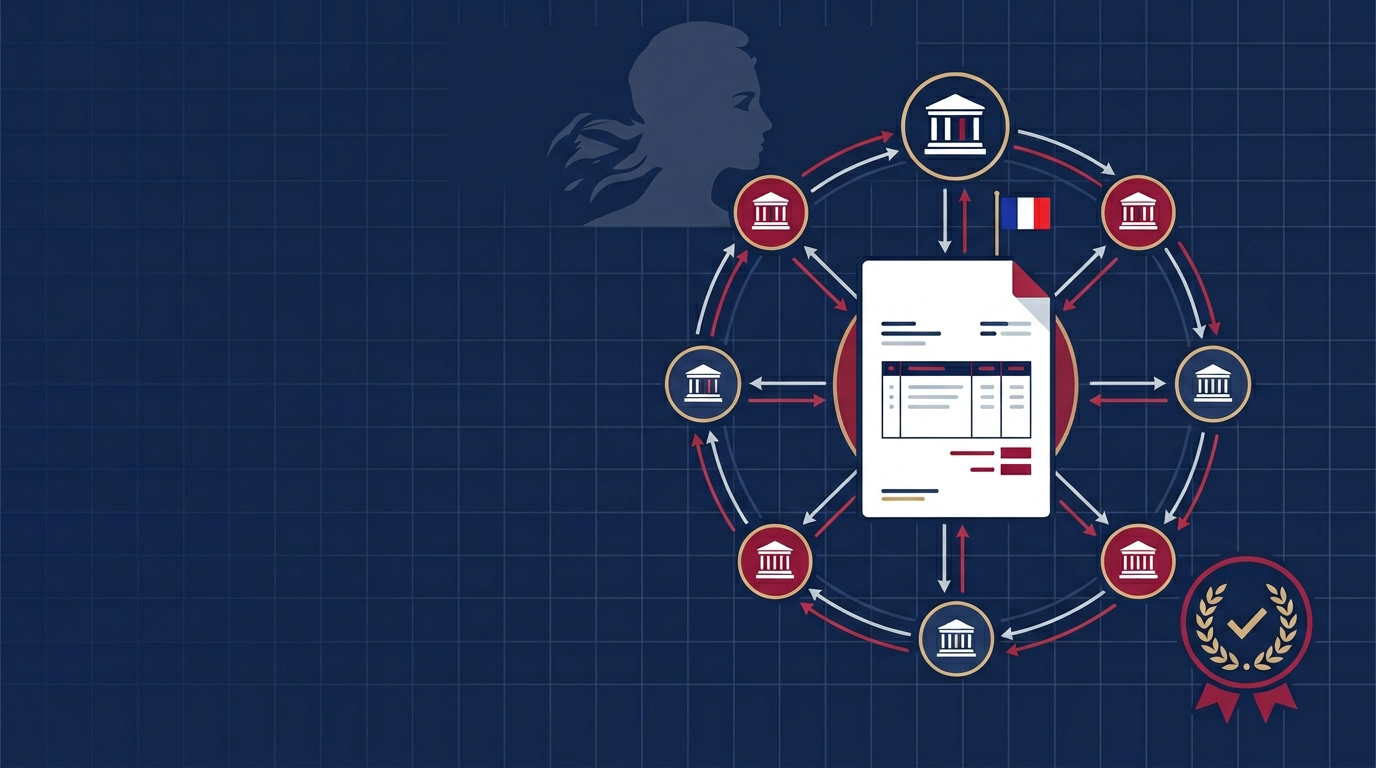
France E-Invoicing Guide: PPF, PDP & e-Reporting Mandate (2026)
France's e-invoicing mandate starts September 1, 2026 for receiving and large-business emission. Learn the PPF/PDP Y-scheme, Factur-X format, and €15-per-invoice penalties (capped €15,000/year).
18 min read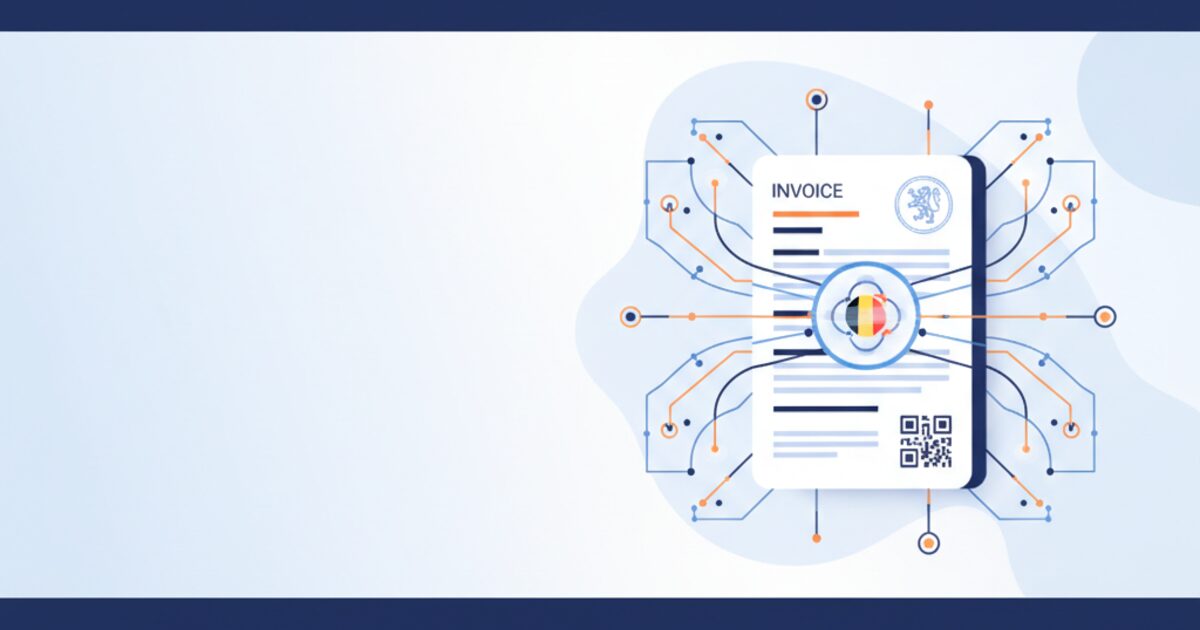
Belgium E-Invoicing Guide: PEPPOL B2B Mandate, SPF Finances & Compliance (2026)
Belgium mandates PEPPOL e-invoicing for all B2B transactions from January 1, 2026. Complete guide to SPF Finances requirements, deadlines, and compliance.
14 min readDigital Marketing, SEO Specialist, Content Creator & Product Professional
Olayinka is a digital marketer, content creator, growth and SEO specialist with 10+ years helping businesses in Nigeria, the UK, the US, Australia, and Dubai achieve their goals online.