How to Categorize Business Expenses (With Chart of Accounts)
Expense Management Series
This guide is part of a comprehensive series. Explore all 14 topics:
How you categorize expenses determines the accuracy of your financial reports, the ease of your tax filing, and your ability to make data-driven business decisions. Get categories wrong, and you'll struggle to understand where money goes, miss deductions, and create headaches for your accountant.
This guide walks you through setting up expense categories that align with your chart of accounts and map directly to tax-deductible line items.
Why Expense Categories Matter
Categories serve two critical purposes:
Categories serve two critical purposes:
- Financial reporting: Categories feed into your profit & loss statement, showing exactly where money goes. Without proper categories, your P&L is meaningless
- Tax preparation: Each category maps to a line on your tax return. Proper categorization means your accountant (or you) can file taxes faster and with confidence that every deduction is captured
The Essential Expense Categories
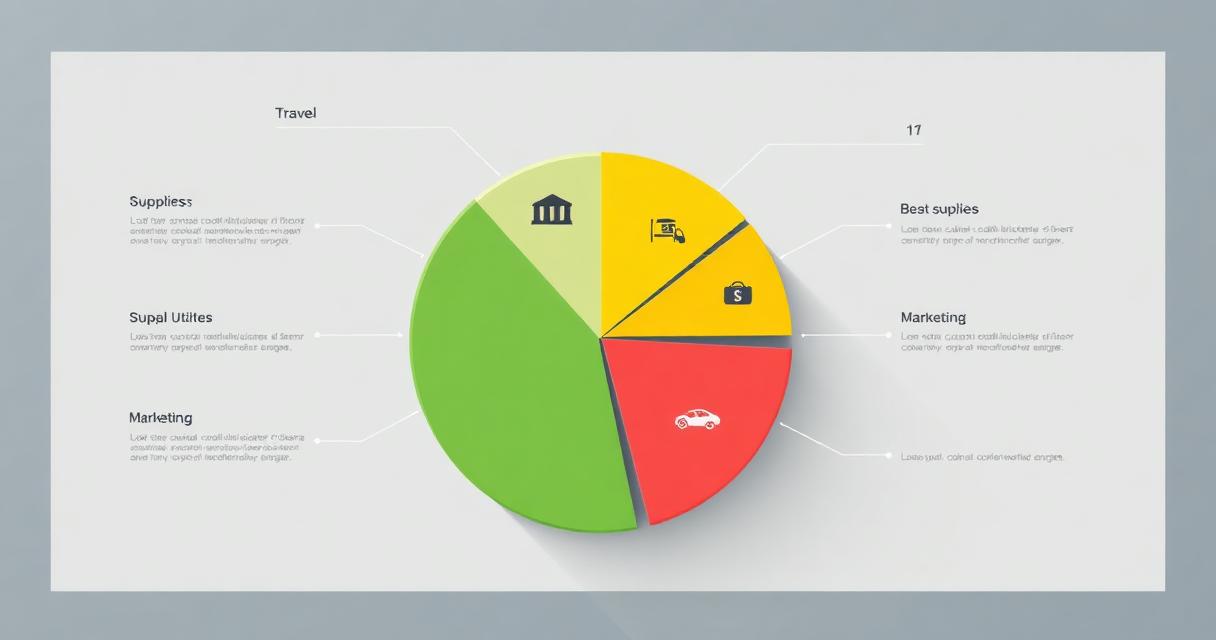
Every small business needs these core categories. You can add sub-categories for more granular tracking.
Every small business needs these core categories. You can add sub-categories for more granular tracking.
1. Advertising & Marketing
Online ads (Google, Facebook, Instagram), print advertising, business cards, promotional materials, website hosting and design, SEO services, content creation, social media management tools.
2. Office Supplies & Equipment
Stationery, printer ink, paper, pens, desk accessories. Equipment purchases under your capitalization threshold go here; larger purchases may need to be depreciated.
3. Software & Subscriptions
SaaS tools, cloud storage, project management software, expense tracking software, design tools, email marketing platforms. This category has grown significantly—most businesses now have 5–15 software subscriptions.
4. Travel & Transportation
Flights, hotels, car rentals, rideshares (Uber, Bolt), parking, tolls, mileage for business driving. Keep detailed records including purpose of each trip. The IRS allows either actual expenses or the standard mileage rate ($0.70/mile in 2026).
5. Professional Services
Legal fees, accounting and bookkeeping, consulting, freelance contractors, business coaching. These are fully deductible when directly related to business operations.
6. Insurance
Business liability insurance, professional indemnity (E&O), workers' compensation, commercial auto insurance, health insurance (if self-employed—this may go on your personal return).
7. Rent & Utilities
Office or co-working space rent, electricity, water, gas, internet, phone service. If working from home, calculate the percentage of your home used exclusively for business.
8. Meals & Entertainment
Business meals with clients or prospects, team meals, food for office. Note: meals are typically 50% deductible in the US (100% for some situations). Always note who you met with and the business purpose.
9. Education & Professional Development
Courses, certifications, conferences, workshops, professional books, industry memberships. Must be related to your current business or profession.
10. Bank & Financial Fees
Business bank account fees, credit card processing fees, payment gateway charges, wire transfer fees, merchant account fees. Often overlooked but fully deductible.
Mapping Categories to Your Chart of Accounts
Your chart of accounts is the master list of all accounts used in your financial system.
Your chart of accounts is the master list of all accounts used in your financial system. Expense categories should be a subset of your chart of accounts, structured hierarchically:
- Account: 6000 – Operating Expenses
- Sub-account: 6100 – Marketing & Advertising
- Sub-account: 6200 – Office Supplies
- Sub-account: 6300 – Software & Subscriptions
This structure follows Generally Accepted Accounting Principles (GAAP) and makes financial statements consistent and comparable.
Mapping Categories to Tax Lines
Each expense category should map to a specific line on your tax return:
Each expense category should map to a specific line on your tax return:
- Advertising → Schedule C, Line 8 (US) or relevant tax form line
- Office Supplies → Schedule C, Line 18
- Rent → Schedule C, Line 20b
- Utilities → Schedule C, Line 25
When categories map directly to tax lines, year-end filing becomes a matter of pulling reports rather than manually sorting transactions. For the full list of deductible expenses, see our tax-deductible business expenses guide.
Common Categorization Mistakes
Common Categorization Mistakes includes: Too few categories: Lumping everything into "Miscellaneous" loses valuable insights Too many categories: 50+ categories create confusion and inconsistency.
- Too few categories: Lumping everything into "Miscellaneous" loses valuable insights
- Too many categories: 50+ categories create confusion and inconsistency. Aim for 10–15 main categories with sub-categories as needed
- Inconsistent assignment: The same vendor going to different categories each month undermines reporting accuracy
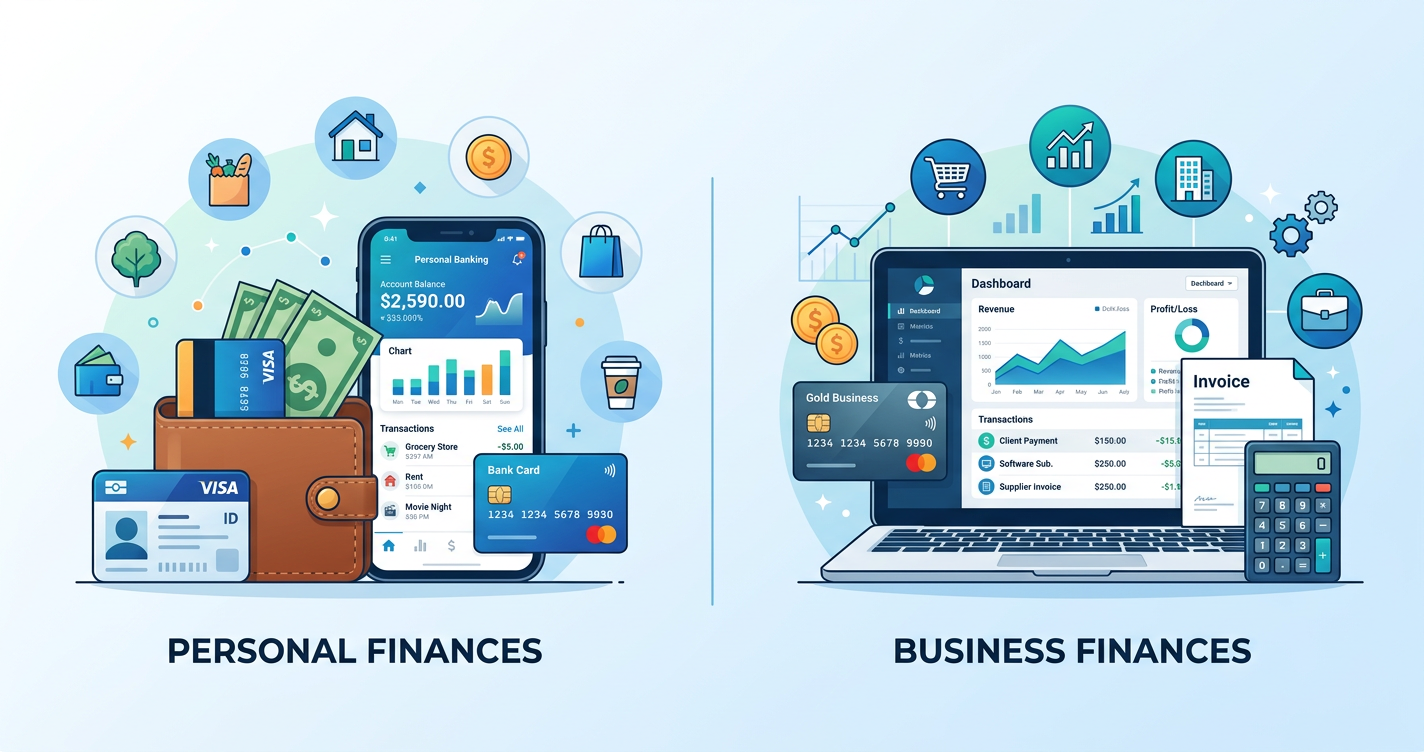
- Personal expenses mixed in: Keep personal spending completely separate—see our guide on separating business and personal expenses
Automating Categorization
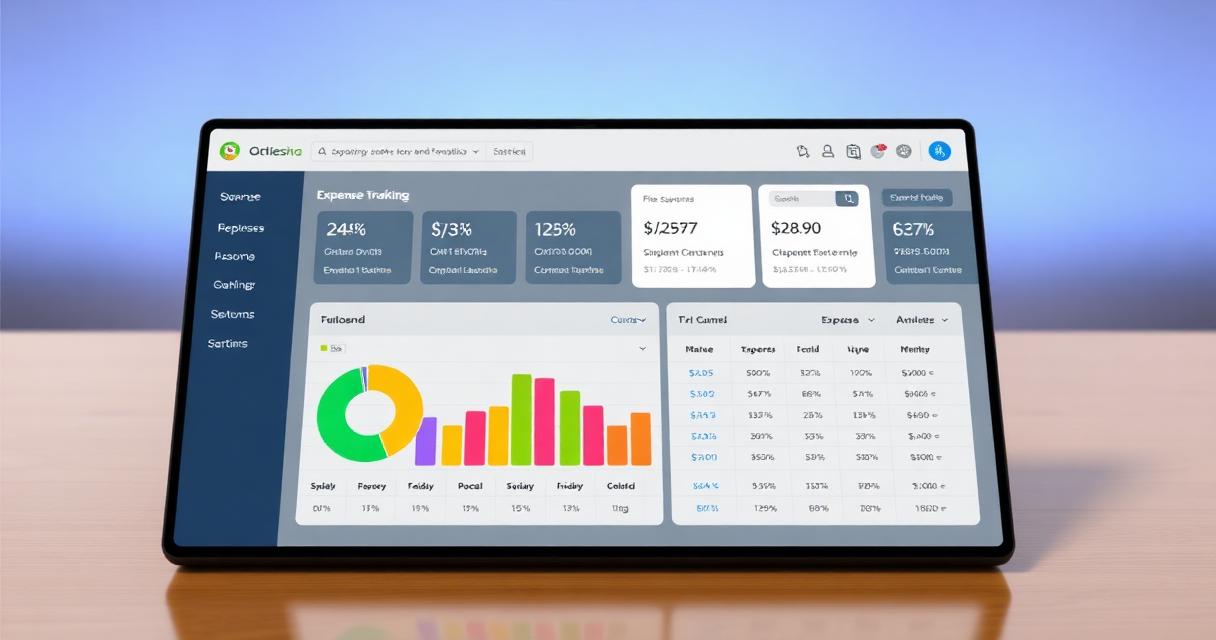
Invoicemonk's expense tracking learns from your categorization patterns. After you categorize a vendor once, future transactions from that vendor are automatically suggested with the same category.
Invoicemonk's expense tracking learns from your categorization patterns. After you categorize a vendor once, future transactions from that vendor are automatically suggested with the same category. This saves time and ensures consistency across your records.
For the complete picture on managing expenses, see our complete expense management guide.
More in this series (14 articles)
From this series
Track, categorize, and optimize your business expenses effortlessly.
Digital Marketing, SEO Specialist, Content Creator & Product Professional
Olayinka is a digital marketer, content creator, growth and SEO specialist with 10+ years helping businesses in Nigeria, the UK, the US, Australia, and Dubai achieve their goals online.