How to Separate Business and Personal Expenses
Expense Management Series
This guide is part of a comprehensive series. Explore all 14 topics:
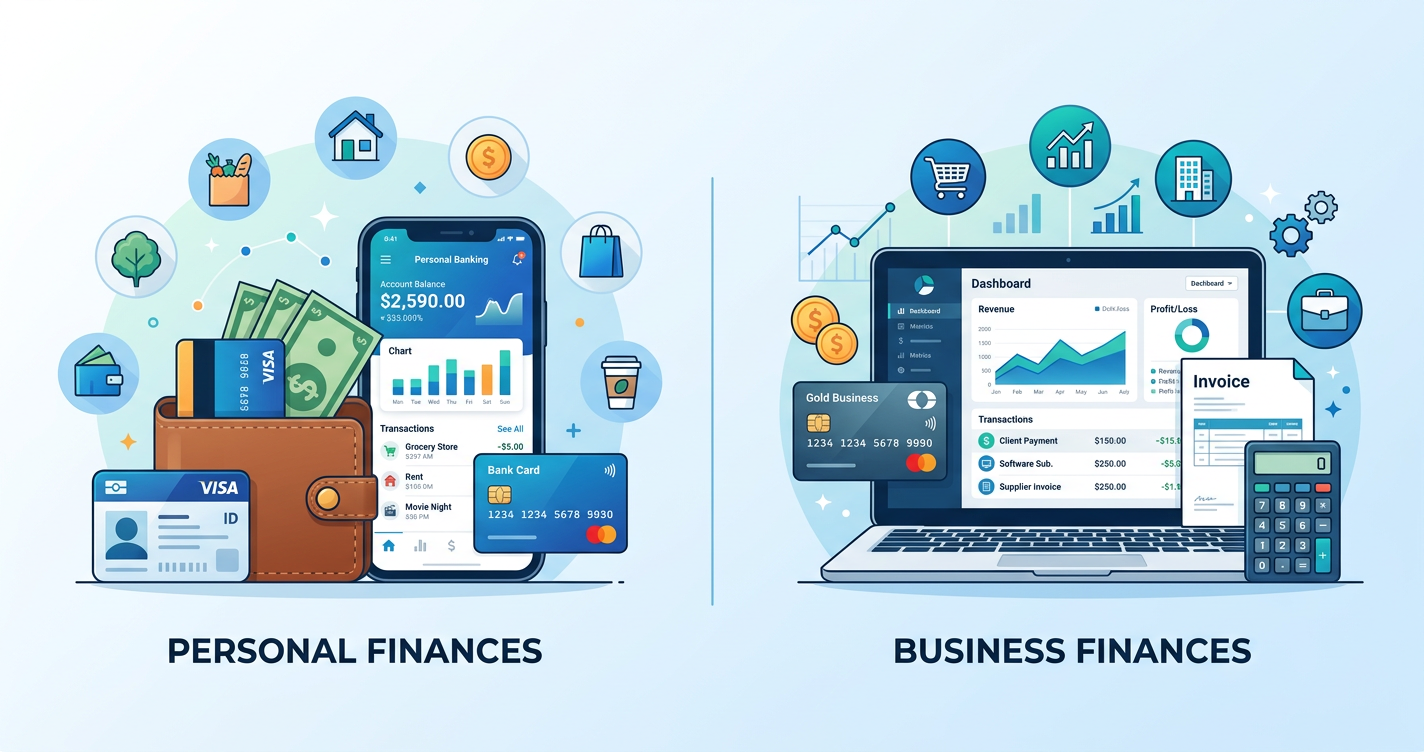
Mixing business and personal expenses is one of the most common—and most dangerous—financial mistakes small business owners make. It muddies your financial picture, creates tax-filing headaches, and can even pierce the liability protection of your LLC or corporation.
Why Separation Is Non-Negotiable
Tax Compliance
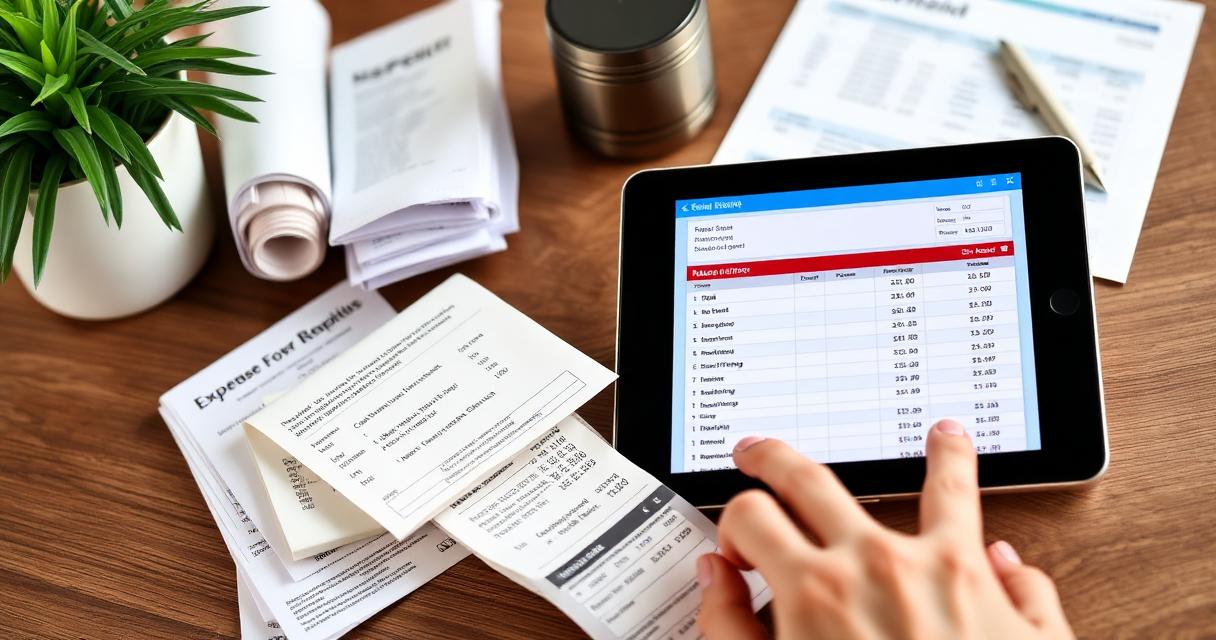
Tax authorities require you to substantiate business deductions with clear records. When business and personal expenses flow through the same account, proving which expenses are legitimate business costs becomes difficult—and in an audit, the burden of proof is on you.
Legal Protection
If you operate as an LLC or corporation, commingling funds can "pierce the corporate veil"—meaning a court can hold you personally liable for business debts. This nullifies one of the primary benefits of incorporating.
Financial Clarity
You can't make smart business decisions without accurate financial data. When personal groceries and client dinners flow through the same account, your profit margins and expense ratios are meaningless.
Audit Protection
Separate accounts create a clean audit trail. If the IRS, HMRC, or FIRS examines your records, clearly separated accounts demonstrate good faith and organized record-keeping.
Step-by-Step Separation Guide
Step 1: Open a Dedicated Business Bank Account
This is the foundation. Choose a bank that offers low fees, online banking, and easy integration with your expense tracking software. Many banks offer free business checking for small businesses with low transaction volumes.
Step 2: Get a Business Credit Card
A dedicated business credit card simplifies tracking and often earns rewards on business spending. Use it exclusively for business purchases. If you have employees, issue them cards with spending limits.
Step 3: Pay Yourself a Regular Salary or Draw
Instead of taking money from the business account as needed, establish a regular transfer to your personal account. This creates a clean paper trail and helps with personal budgeting too.
Step 4: Handle Edge Cases Properly
Sometimes you'll use personal funds for a business expense (e.g., paying for a client lunch with your personal card). When this happens:
- Record the expense in your business records
- Reimburse yourself from the business account with a memo noting the purpose
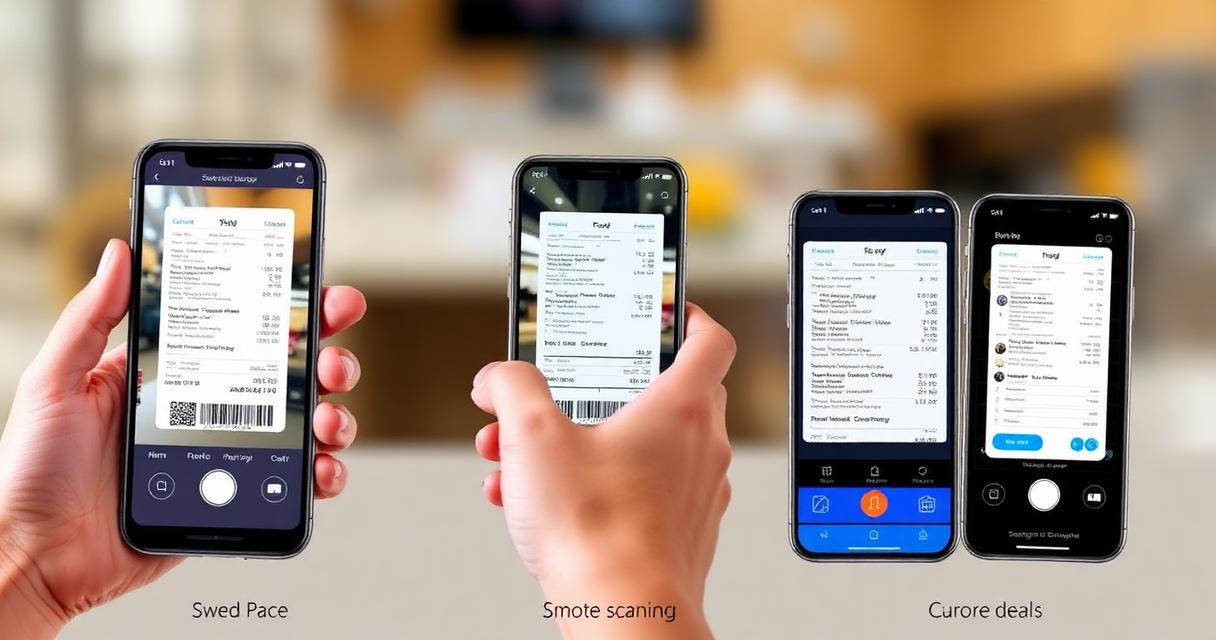
- Keep the receipt with your business records
Step 5: Use Expense Tracking Software
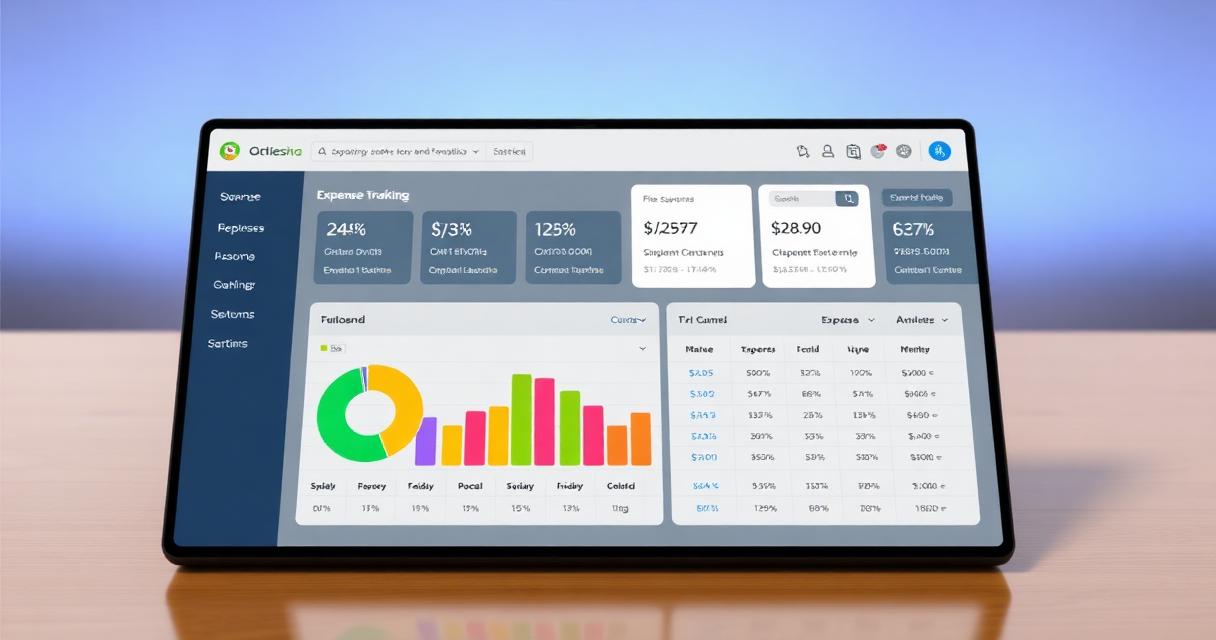
Invoicemonk connects to your business bank account, automatically imports transactions, and helps you categorize each one. This ensures nothing falls through the cracks and creates the documentation you need for tax deductions.
Common Mistakes to Avoid
For the complete picture, see our expense management guide and expense categories guide.
- Using personal PayPal/Venmo for business: Set up business accounts on payment platforms too
- Lending between accounts without documentation: If the business borrows from personal funds, document it as a loan
- Forgetting about subscriptions: Audit all your software subscriptions—some may be on personal cards
- "I'll sort it out later": Later never comes. Separate now and save hours at tax time
For the complete picture, see our expense management guide and expense categories guide.
More in this series (14 articles)
From this series
Track, categorize, and optimize your business expenses effortlessly.
Digital Marketing, SEO Specialist, Content Creator & Product Professional
Olayinka is a digital marketer, content creator, growth and SEO specialist with 10+ years helping businesses in Nigeria, the UK, the US, Australia, and Dubai achieve their goals online.