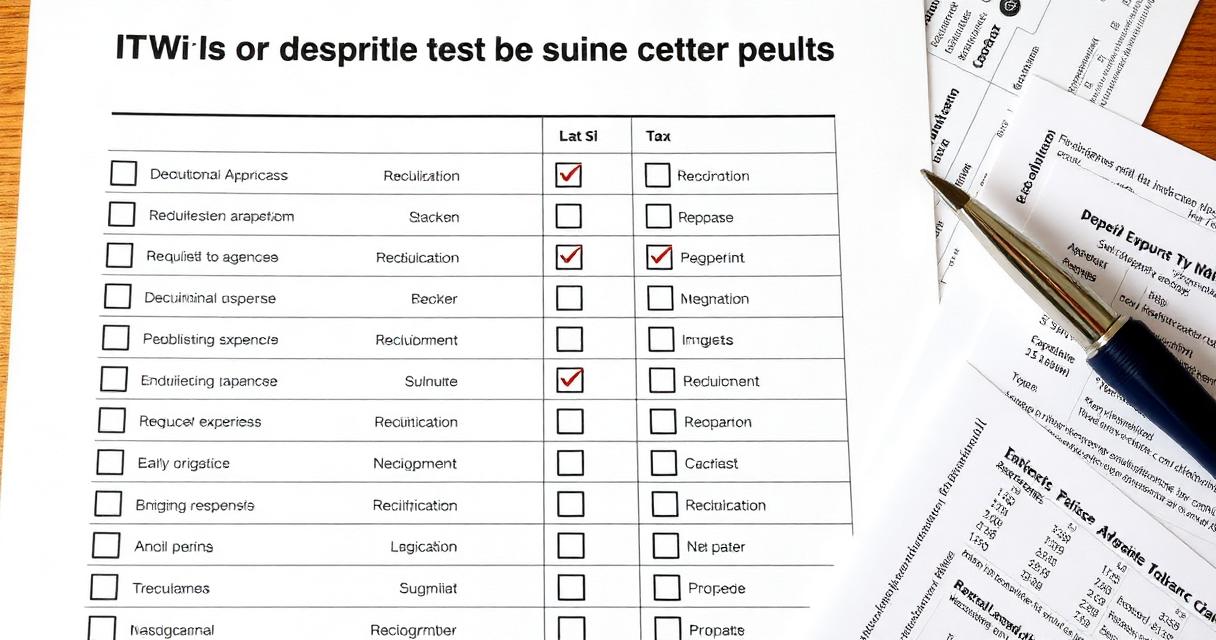
Tax-Deductible Business Expenses: The Complete List for 2026
Expense Management Series
This guide is part of a comprehensive series. Explore all 14 topics:
Every legitimate business expense you fail to claim is money given directly to the tax authority. Yet studies show that the average small business owner misses $3,000–$10,000 in deductions annually—often because they simply didn't know the expense was deductible or didn't keep proper records.
This comprehensive list covers every major tax-deductible business expense category for 2026, with specific examples and record-keeping requirements.
The Golden Rule of Business Deductions
An expense is deductible if it is ordinary (common and accepted in your industry) and necessary (helpful and appropriate for your business). You must also have documentation—amount, date, business purpose, and receipt or proof of payment.
An expense is deductible if it is ordinary (common and accepted in your industry) and necessary (helpful and appropriate for your business). You must also have documentation—amount, date, business purpose, and receipt or proof of payment.
Category 1: Home Office
If you use a portion of your home exclusively and regularly for business, you can deduct a proportional share of housing costs.
If you use a portion of your home exclusively and regularly for business, you can deduct a proportional share of housing costs.
- Simplified method: $5 per square foot, up to 300 sq ft ($1,500 max in the US)
- Regular method: Calculate the percentage of your home used for business, then apply that to rent/mortgage interest, utilities, insurance, repairs, and depreciation
- Internet and phone: Deduct the business-use percentage of your home internet and phone bills
Category 2: Vehicle and Transportation
Category 2: Vehicle and Transportation includes: Standard mileage rate: $0. 70 per mile for business driving in 2026 (US).
- Standard mileage rate: $0.70 per mile for business driving in 2026 (US). Track every trip with date, destination, and business purpose
- Actual expenses: Gas, insurance, maintenance, depreciation—calculate business-use percentage
- Parking and tolls: Fully deductible for business trips (even when using mileage rate)
- Rideshares: Uber, Lyft, Bolt fares for business trips
Category 3: Technology and Software
Category 3: Technology and Software includes: Computer, laptop, tablet purchases (may qualify for Section 179 immediate expensing) Software subscriptions: expense tracking, project management, design tools, email marketing
- Computer, laptop, tablet purchases (may qualify for Section 179 immediate expensing)
- Software subscriptions: expense tracking, project management, design tools, email marketing
- Cloud storage and hosting
- Domain names and website costs
- Printer, scanner, and supplies
Category 4: Professional Services
Category 4: Professional Services includes: Legal fees for business matters Accounting and bookkeeping services
- Legal fees for business matters
- Accounting and bookkeeping services
- Business consulting and coaching
- Freelance contractors and subcontractors
- Virtual assistant services
Category 5: Marketing and Advertising
Category 5: Marketing and Advertising includes: Online advertising (Google Ads, Facebook Ads, LinkedIn Ads) Website design and SEO services
- Online advertising (Google Ads, Facebook Ads, LinkedIn Ads)
- Website design and SEO services
- Business cards, brochures, and print materials
- Trade show and event exhibition fees
- Sponsorships and promotional items
Category 6: Travel
Category 6: Travel includes: Flights, trains, and other transportation for business trips Hotels and accommodation
- Flights, trains, and other transportation for business trips
- Hotels and accommodation
- Meals during business travel (typically 50% deductible in the US)
- Baggage fees and tips
- Conference and seminar registration fees
Category 7: Insurance
Category 7: Insurance includes: Business liability insurance Professional indemnity (Errors & Omissions)
- Business liability insurance
- Professional indemnity (Errors & Omissions)
- Workers' compensation
- Commercial property insurance
- Health insurance premiums (self-employed may deduct on personal return)
Category 8: Education and Development
Category 8: Education and Development includes: Courses and certifications related to your business Industry conferences and workshops
- Courses and certifications related to your business
- Industry conferences and workshops
- Professional books and publications
- Professional association memberships and dues
Category 9: Financial Costs
Category 9: Financial Costs includes: Business bank account fees Credit card processing and payment gateway fees
- Business bank account fees
- Credit card processing and payment gateway fees
- Business loan interest
- Wire transfer and international payment fees
- Invoicing software subscriptions
Category 10: Depreciation
Assets with a useful life beyond one year (equipment, furniture, vehicles) are typically depreciated over several years rather than deducted all at once. However, Section 179 (US) allows immediate expensing of qualifying assets up to $1,220,000 in 2026.
Assets with a useful life beyond one year (equipment, furniture, vehicles) are typically depreciated over several years rather than deducted all at once. However, Section 179 (US) allows immediate expensing of qualifying assets up to $1,220,000 in 2026.
Record-Keeping Requirements
To claim any deduction, you need:
To claim any deduction, you need:
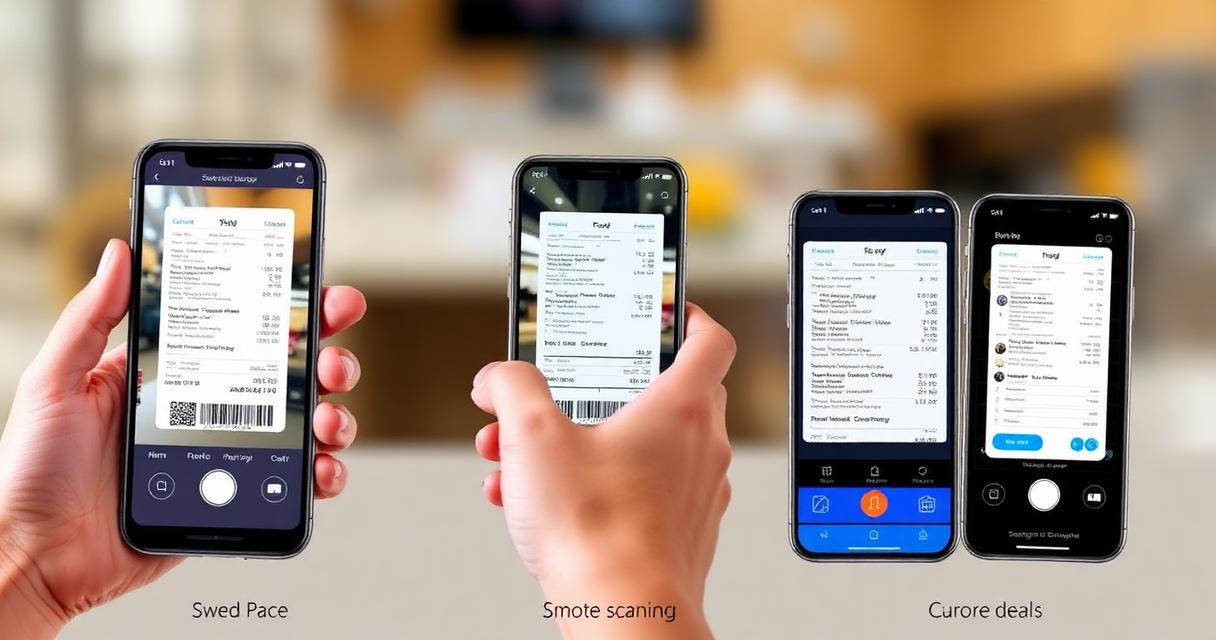
- Receipt or proof of payment: Digital receipts are accepted—use Invoicemonk's receipt scanner
- Amount and date: Exact amount paid and when
- Business purpose: Brief note explaining why the expense is business-related
- Retention period: Keep records for 3–7 years depending on jurisdiction
Don't leave money on the table. Use expense tracking software to capture every deductible expense in real-time. For country-specific compliance guidance, see our tax compliance guide.
More in this series (14 articles)
From this series
Track, categorize, and optimize your business expenses effortlessly.
Digital Marketing, SEO Specialist, Content Creator & Product Professional
Olayinka is a digital marketer, content creator, growth and SEO specialist with 10+ years helping businesses in Nigeria, the UK, the US, Australia, and Dubai achieve their goals online.