Invoice vs Receipt: What's the Difference and When to Use Each
Invoicing Mastery Series
This guide is part of a comprehensive series. Explore all 33 topics:
Invoices and receipts are two of the most fundamental business documents — but they serve completely different purposes. Confusing them causes accounting errors, tax complications, and client confusion. This guide explains exactly what each document is, when to use it, and how they work together.
Invoice vs Receipt: Quick Comparison
Invoice vs Receipt: Quick Comparison — Purpose: Request payment — Confirm payment received.
| Feature | Invoice | Receipt |
|---|---|---|
| Purpose | Request payment | Confirm payment received |
| Timing | Sent before payment | Issued after payment |
| Who sends it | Seller/service provider | Seller/service provider |
| Payment status | Amount is due (unpaid) | Amount has been paid |
| Legal significance | Creates accounts receivable | Proves payment for tax deductions |
| Contains | Payment terms, due date, payment methods | Payment date, method, amount paid |
| Accounting entry | Revenue recognition (accrual) or memo | Cash receipt recorded |
When to Use an Invoice
B2B transactions — always.
- B2B transactions — always. Businesses need invoices for their expense records and tax deductions
- Service-based work — after completing a project, milestone, or billing period
- Credit sales — when you deliver goods/services now and expect payment later
- Recurring billing — monthly retainers, subscriptions, ongoing services
- Government and enterprise clients — always require formal invoices for their procurement process
When to Use a Receipt
Cash transactions — when customers pay immediately at point of sale After an invoice is paid — to confirm you received the payment
- Cash transactions — when customers pay immediately at point of sale
- After an invoice is paid — to confirm you received the payment
- B2C retail sales — customers need receipts for returns and warranty claims
- When requested — clients may need receipts for their expense reports
- For tax purposes — the buyer needs proof of payment to claim deductions
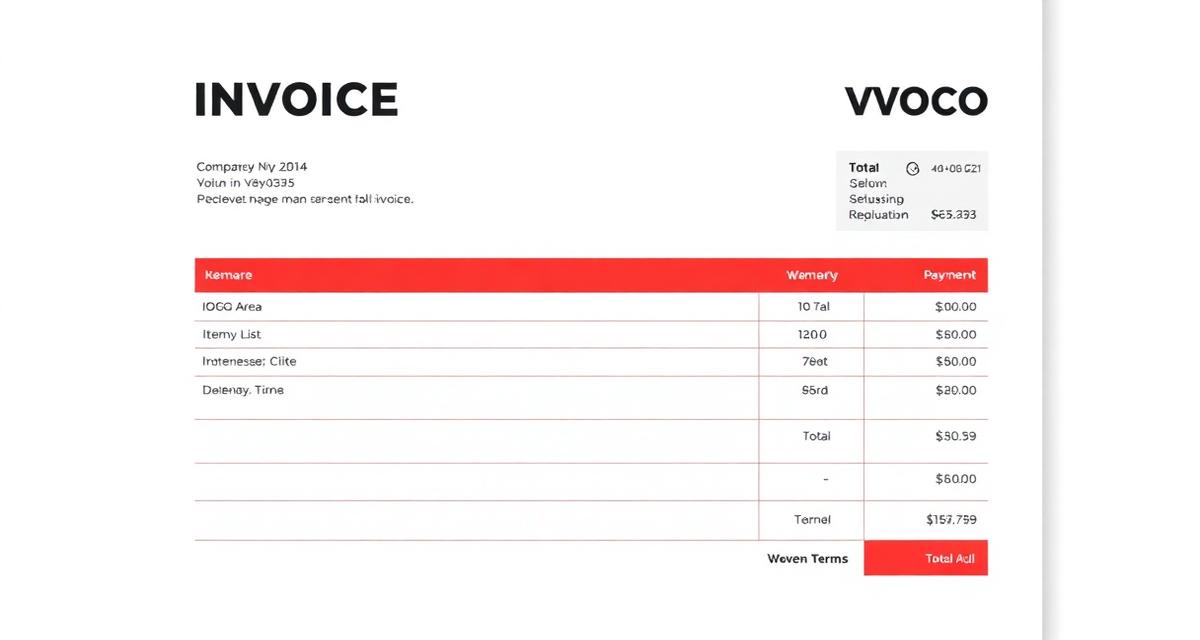
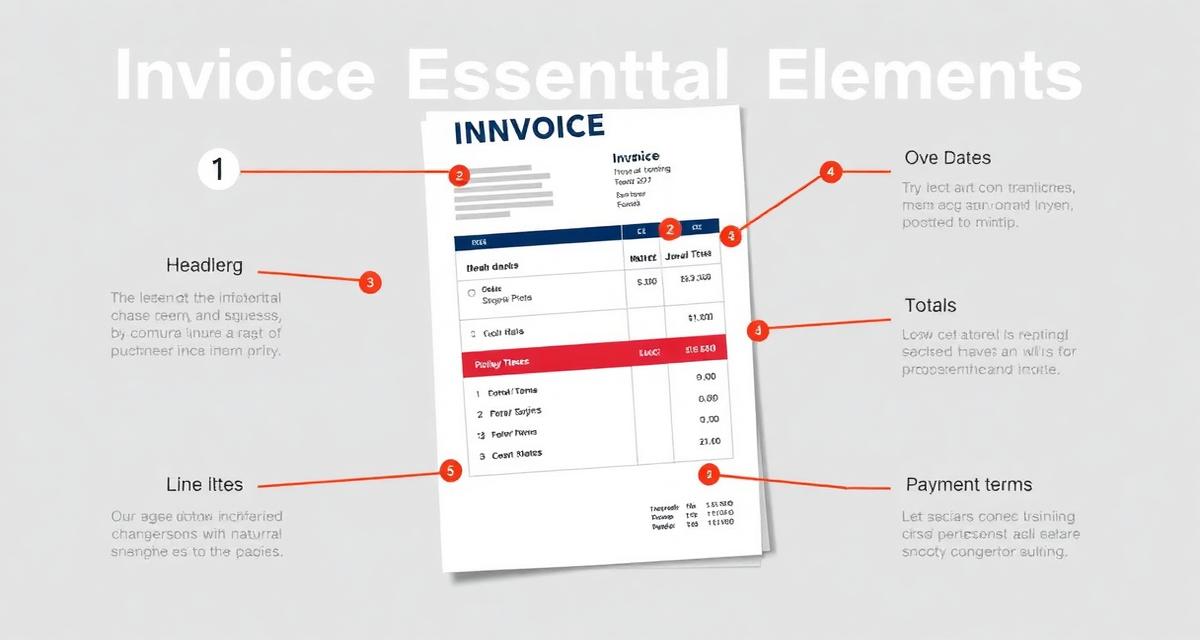
What Goes on an Invoice
Your business name, address, and tax ID Client's name, address, and tax ID (B2B)
- Your business name, address, and tax ID
- Client's name, address, and tax ID (B2B)
- Unique invoice number
- Invoice date and due date
- Itemized list of goods/services with prices
- Subtotal, tax breakdown, and total amount due
- Payment terms (Net 30, etc.)
- Payment instructions (bank details, payment link)
What Goes on a Receipt
Your business name and contact details Client/customer name
- Your business name and contact details
- Client/customer name
- Receipt number
- Date of payment
- Items/services paid for
- Amount paid
- Payment method (cash, card, bank transfer)
- Reference to original invoice number (if applicable)
How They Work Together
The typical business flow:
The typical business flow:
- Complete the work → deliver goods or finish services
- Issue invoice → request payment with terms
- Client pays → via bank transfer, card, or other method
- Issue receipt → confirm payment received (or mark invoice as "PAID")
Pro tip: Many businesses skip issuing a separate receipt and instead mark the original invoice as "PAID" with the payment date. This is acceptable in most jurisdictions and is simpler to manage.
Tax Implications
Tax Implications includes: For the seller: The invoice records revenue. Under accrual accounting, revenue is recognized when the invoice is issued.
- For the seller: The invoice records revenue. Under accrual accounting, revenue is recognized when the invoice is issued. Under cash accounting, it's recognized when payment is received.
- For the buyer: The invoice (or receipt) serves as proof of a business expense for tax deductions. In GST/VAT countries, the invoice is required to claim Input Tax Credit.
- Record keeping: Keep both invoices issued and receipts for expenses for the period required by your tax authority (typically 5-7 years).
Which Document Should You Issue? Best-For Summary
Use an invoice when you are requesting payment for B2B work, credit sales, or recurring billing. Use a receipt when confirming a payment already received, especially for cash or B2C point-of-sale transactions.
| Scenario | Document | Best for |
|---|---|---|
| Billing a client after finishing a project | Invoice | Freelancers and consultants requesting payment |
| Customer pays immediately at a shop or checkout | Receipt | Retail and point-of-sale businesses |
| Confirming a bank transfer landed | Receipt (or invoice marked "PAID") | Any business closing out an invoice |
| Monthly retainer or subscription billing | Invoice | Recurring-revenue businesses |
| Government or enterprise procurement | Invoice | B2B vendors selling to large organizations |
Frequently Asked Questions
Is an invoice the same as a receipt?
No. An invoice is a request for payment sent before the client pays. A receipt is confirmation that payment has been received, sent after the client pays.
Do I need to issue both an invoice and a receipt?
It depends on your business and jurisdiction. In many countries you must issue an invoice for every sale, especially B2B, while receipts are typically expected for cash transactions and B2C sales. Best practice is to provide both, or mark the invoice "PAID" once settled.
Can one document serve as both an invoice and a receipt?
Yes, in many jurisdictions a single document can work as both if it is issued before payment as an invoice and later stamped or updated with a "PAID" status, payment date, and payment method. This is common practice for small businesses that want to avoid maintaining two separate document trails.
What happens if I only issue receipts and never invoices?
For B2B sales this creates a compliance gap: business clients generally need a formal invoice with a tax ID and itemized breakdown to claim the expense or Input Tax Credit. Receipts alone are usually acceptable only for cash, point-of-sale, or B2C transactions.
Do freelancers need to issue receipts as well as invoices?
Most freelancers only need to issue invoices and can mark them "PAID" once settled instead of generating a separate receipt. A standalone receipt becomes useful when a client specifically requests one for their own expense reporting or when payment is made in cash.
Create professional invoices with Invoicemonk's invoice generator — then track when they're paid in the full platform with automatic receipt generation.
More in this series (33 articles)
From this series
Master the art of professional invoicing to get paid faster and look more professional.
Related Topics
Digital Marketing, SEO Specialist, Content Creator & Product Professional
Olayinka is a digital marketer, content creator, growth and SEO specialist with 10+ years helping businesses in Nigeria, the UK, the US, Australia, and Dubai achieve their goals online.