Payment Terms Explained: Net 30, Due on Receipt, 2/10 Net 30 & More
Invoicing Mastery Series
This guide is part of a comprehensive series. Explore all 33 topics:
Payment terms are the rules that govern when and how clients pay your invoices. Getting them right directly impacts your cash flow — a 2022 Xero study found that businesses using shorter payment terms got paid 15 days faster on average than those using Net 60.
Common Payment Terms Explained
Common Payment Terms Explained — Due on Receipt: Payment due immediately upon receiving the invoice — Retail, one-off services, new clients.
| Term | Meaning | Best For |
|---|---|---|
| Due on Receipt | Payment due immediately upon receiving the invoice | Retail, one-off services, new clients |
| Net 7 | Due within 7 days | Urgent services, small-value invoices |
| Net 15 | Due within 15 days | Freelancers, consultants, small projects |
| Net 30 | Due within 30 days | Standard B2B, most common term globally |
| Net 45 | Due within 45 days | Larger companies, enterprise clients |
| Net 60 | Due within 60 days | Government contracts, large corporations |
| Net 90 | Due within 90 days | Rare — construction, large enterprises |
| EOM | End of month — due by last day of the invoice month | Regular suppliers, subscription models |
| 15 MFI | 15th of the month following invoice | Suppliers with monthly billing cycles |
| CIA | Cash in advance — payment before delivery | High-risk clients, custom orders |
| COD | Cash on delivery | E-commerce, physical goods |
Early Payment Discounts
Early payment discount terms incentivize faster payment:
Early payment discount terms incentivize faster payment:
| Term | Meaning | Effective Annual Rate |
|---|---|---|
| 1/10 Net 30 | 1% off if paid within 10 days, else full amount in 30 | ~18% annualized |
| 2/10 Net 30 | 2% off if paid within 10 days, else full amount in 30 | ~36% annualized |
| 3/10 Net 60 | 3% off if paid within 10 days, else full amount in 60 | ~22% annualized |
Important: Calculate whether the discount is worth it for your business. A 2% discount for 20 days of early payment equals approximately 36% annualized interest — expensive if your margins are thin. Only offer discounts when faster cash flow is worth more than the discount cost.
How to Choose the Right Terms
For Freelancers and Solopreneurs
- New clients: Net 15 or Due on Receipt — minimize risk until trust is established
- Trusted clients: Net 30 — standard and expected in most industries
- Large projects: 50% deposit + 50% on completion — protects your cash flow on big engagements
- Retainer clients: Due on the 1st of each month — predictable billing cycle
For Small Businesses
- B2B wholesale: Net 30 standard, consider 2/10 Net 30 to incentivize early payment
- B2C services: Due on Receipt or prepayment
- Subscription/SaaS: Prepaid monthly or annually
- Construction/contracting: Milestone billing with Net 30 per milestone
For Enterprise Clients
Large companies often dictate terms (Net 45-60). You can negotiate by:
- Offering a discount for Net 15 instead of Net 60
- Requesting a deposit or advance payment
- Including a late payment interest clause
Late Payment Terms
Protect yourself with clear late payment language:
Protect yourself with clear late payment language:
- "Invoices unpaid after [X] days are subject to [Y]% monthly late fee" — common rates are 1-2% per month
- Reference local legislation — UK's Late Payment of Commercial Debts Act allows 8% + Bank of England base rate
- Suspension of services — "We reserve the right to suspend services on accounts overdue by 30+ days"
How to Write Payment Terms on Your Invoice
Be explicit.
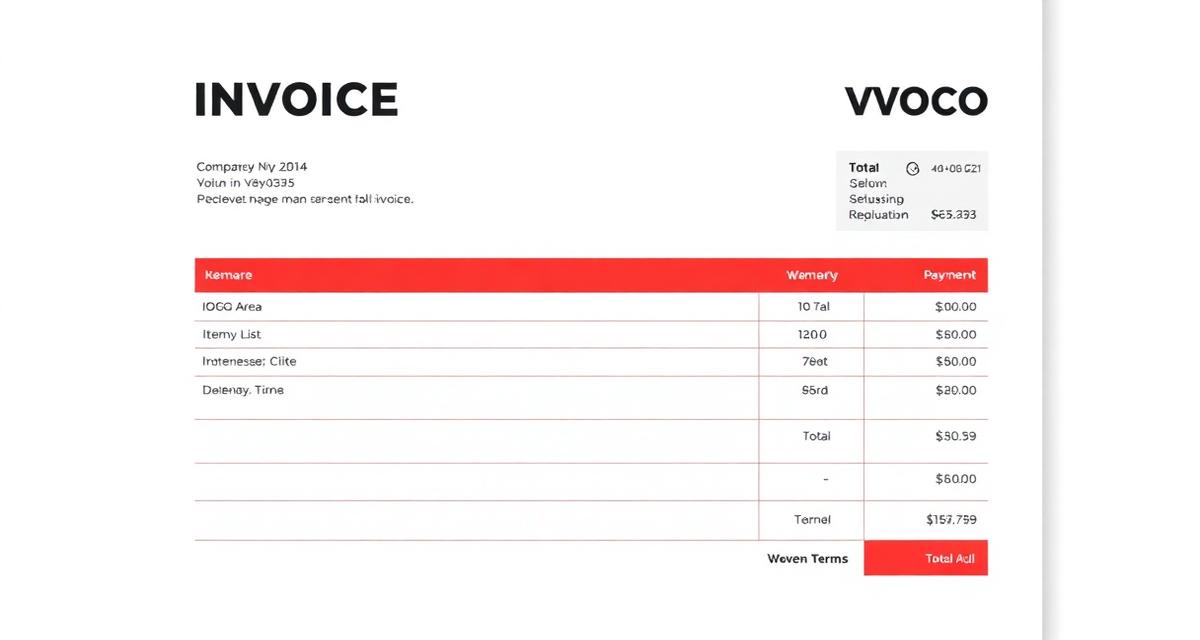
Be explicit. Don't just write "Net 30" — spell it out:
Payment Terms: Net 30. Payment is due within 30 days of the invoice date (by [specific date]). Please transfer to the bank account listed below, referencing invoice number [INV-XXX]. Invoices unpaid after 30 days are subject to 1.5% monthly late fee.
Including the specific due date (not just "Net 30") reduces ambiguity and gets invoices paid faster. Studies show invoices with explicit due dates are paid 8 days faster than those with relative terms alone.
Set clear payment terms on every invoice with Invoicemonk's invoice generator. For more strategies, read our complete guide to getting paid faster.
More in this series (33 articles)
From this series
Master the art of professional invoicing to get paid faster and look more professional.
Related Topics
Digital Marketing, SEO Specialist, Content Creator & Product Professional
Olayinka is a digital marketer, content creator, growth and SEO specialist with 10+ years helping businesses in Nigeria, the UK, the US, Australia, and Dubai achieve their goals online.