Photography Invoice: How to Invoice as a Photographer (Templates)
Invoicing Mastery Series
This guide is part of a comprehensive series. Explore all 33 topics:
Learn how to create professional photography invoices — from pricing models to usage rights, deposits, and tax considerations. This guide gives the answer first, then covers required invoice fields, workflow choices, compliance checks, common mistakes, and practical next steps so readers can act without comparing multiple sources.
Why Photography Invoicing Is Different
Photography invoicing is unlike most freelance billing because you're often selling both time and intellectual property. A photo shoot involves session time, editing, equipment, travel, and — crucially — usage licenses.
Photography invoicing is unlike most freelance billing because you're often selling both time and intellectual property. A photo shoot involves session time, editing, equipment, travel, and — crucially — usage licenses. Your invoice needs to reflect all of these elements clearly to avoid disputes and ensure you're compensated for the full value of your work.
Whether you shoot weddings, commercial product photography, headshots, or editorial content, a well-structured invoice protects your business and communicates professionalism.
Essential Elements of a Photography Invoice
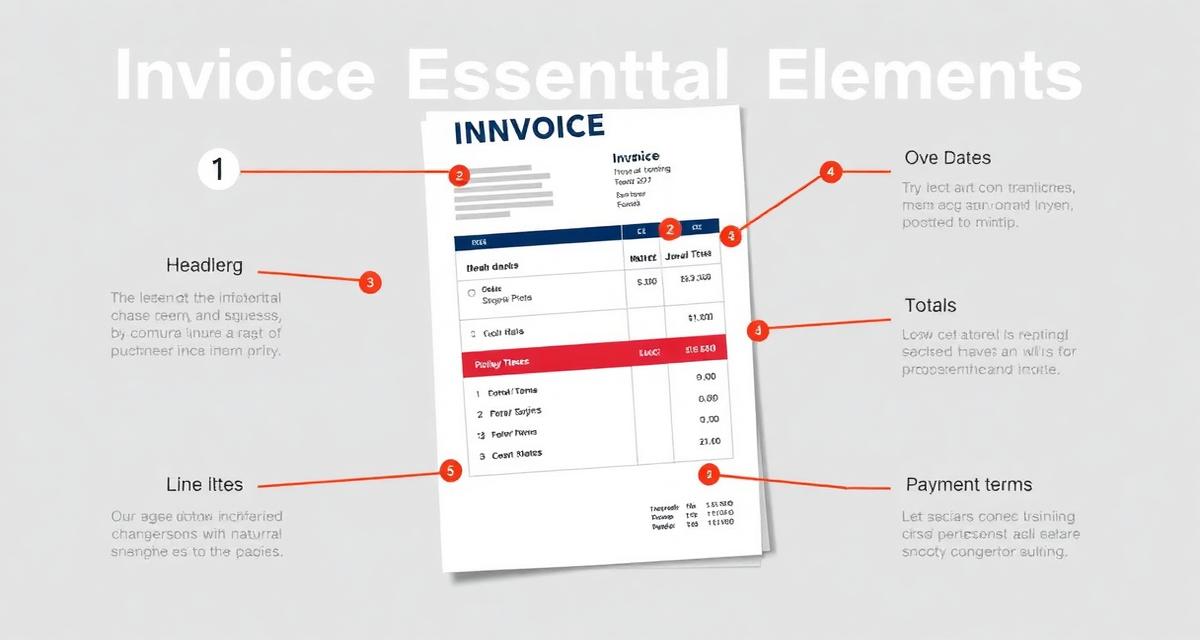
Every photography invoice should include these core elements beyond the standard invoice fields:
Every photography invoice should include these core elements beyond the standard invoice fields:
- Session/shoot date and location — when and where the work was performed
- Number of final images delivered — establishes the scope of deliverables
- Usage license terms — commercial, editorial, web-only, exclusive, duration
- Retouching/editing fees — separate from the shooting fee
- Travel and equipment charges — if not bundled into the session fee
- Deposit/advance paid — with the balance clearly stated
- Rush delivery surcharge — if applicable
Photography Pricing Models
Your pricing model affects how you structure your invoice:
Your pricing model affects how you structure your invoice:
Per-Image Pricing
Common for stock photography and commercial shoots. You charge per final edited image delivered. Your invoice lists the number of images, price per image, and any volume discounts.
Day Rate / Half-Day Rate
Standard for commercial, editorial, and event photography. You charge a flat fee for a defined time period (typically 8-10 hours for a full day). Additional hours are billed at an hourly overage rate.
Package Pricing
Popular for weddings and portraits. You define packages (e.g., "Gold Package: 6 hours, 300 edited images, online gallery, 1 album") and invoice the package price with any add-ons listed separately.
Usage-Based Licensing
For commercial clients, the shooting fee may be separate from usage licensing. Invoicemonk allows you to add multiple line items — one for the creative fee and another for the usage license, with different payment terms if needed.
How to Handle Deposits and Milestones
Most photographers collect deposits before a shoot.
Most photographers collect deposits before a shoot. Structure your invoicing as:
- Deposit invoice — typically 25-50% of the total, due before the shoot date
- Final invoice — remaining balance, due upon image delivery or within your payment terms
Invoicemonk's milestone billing feature lets you split projects into phases and invoice each separately.
Tax Considerations for Photographers
Photography services are taxed differently across jurisdictions:
Photography services are taxed differently across jurisdictions:
- UK — Photography services are standard-rated for VAT at 20%. HMRC requires VAT invoices for all taxable supplies.
- US — Some states exempt photography services from sales tax; others treat them as taxable services. Digital photo delivery may be treated differently from physical prints.
- Australia — Photography is subject to 10% GST if you're registered.
- Nigeria — Subject to 7.5% VAT with TIN requirements.
Common Photography Invoice Mistakes
Common Photography Invoice Mistakes includes: Not specifying usage rights — without clear licensing terms, clients may assume unlimited use Bundling everything into one line — breaks down your pricing into creative fee, editing, travel, and licensing
- Not specifying usage rights — without clear licensing terms, clients may assume unlimited use
- Bundling everything into one line — breaks down your pricing into creative fee, editing, travel, and licensing
- Forgetting to invoice for overages — extra hours, additional images, or rush delivery
- Not collecting deposits — protects you against cancellations and no-shows
- Missing tax information — can lead to compliance issues and tax penalties
Photography Invoice Template
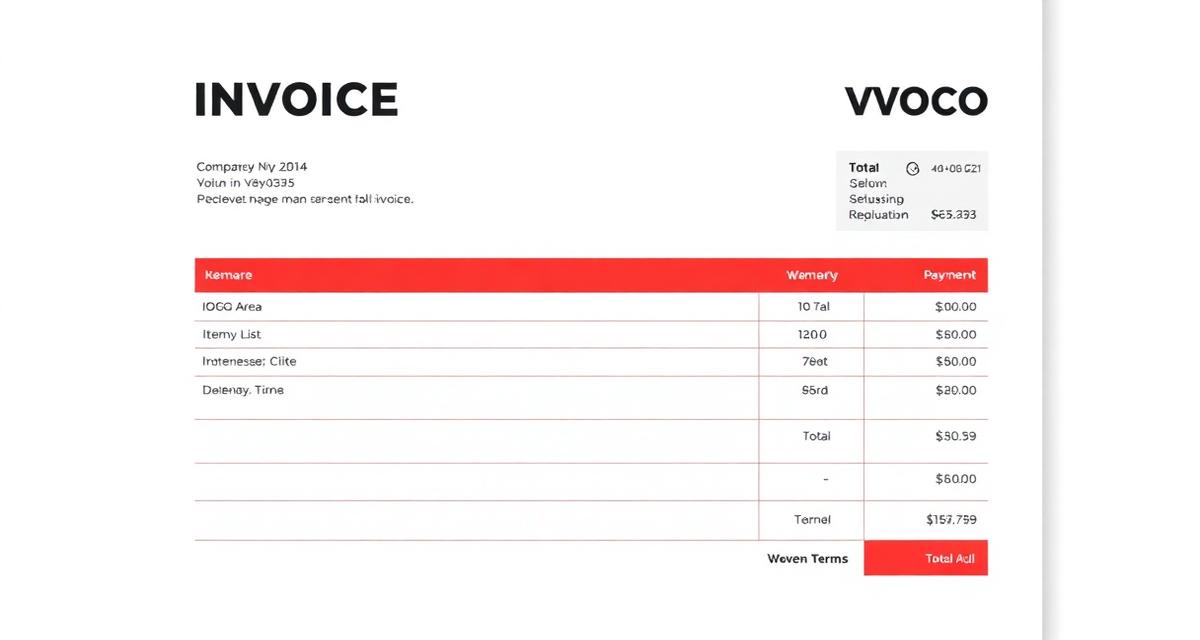
Here's a recommended line-item structure for a commercial photography invoice:
Here's a recommended line-item structure for a commercial photography invoice:
- Line 1: Photography session fee (full day / half day / hourly × hours)
- Line 2: Post-production / retouching (per image × number of images)
- Line 3: Travel (mileage or flat rate)
- Line 4: Equipment rental (if billed separately)
- Line 5: Usage license — [type], [duration], [territory]
- Line 6: Rush delivery surcharge (if applicable)
- Less: Deposit paid on [date] — Invoice #[deposit invoice number]
Use Invoicemonk's free invoice generator to create professional photography invoices with all these elements — no signup required.
Frequently Asked Questions
Should I charge separately for usage rights?
Yes, for commercial work. The creative fee covers your time and skill.
Yes, for commercial work. The creative fee covers your time and skill. The usage license covers how the client uses the images. Separating them gives you leverage to charge more for broader usage (e.g., global campaign vs. single social post).
How do I handle prints and physical products?
List physical products (albums, prints, canvases) as separate line items with applicable sales tax. Digital delivery and physical products may be taxed differently in your jurisdiction.
List physical products (albums, prints, canvases) as separate line items with applicable sales tax. Digital delivery and physical products may be taxed differently in your jurisdiction.
What payment terms should I set for photography?
Standard is Net 30 for commercial clients and payment upon delivery for individuals. For weddings and events, collect 25-50% upfront and the balance before or on the event date.
Standard is Net 30 for commercial clients and payment upon delivery for individuals. For weddings and events, collect 25-50% upfront and the balance before or on the event date.
How do I invoice for stock photography?
For direct stock licensing (not through agencies), invoice per image with clear license terms: usage type, duration, territory, and exclusivity. Invoicemonk lets you create itemized invoices with detailed descriptions per image.
For direct stock licensing (not through agencies), invoice per image with clear license terms: usage type, duration, territory, and exclusivity. Invoicemonk lets you create itemized invoices with detailed descriptions per image.
Should I include a shot list or deliverables summary?
Yes. Including a brief deliverables summary in your invoice notes helps avoid disputes and serves as a record of what was agreed upon.
Yes. Including a brief deliverables summary in your invoice notes helps avoid disputes and serves as a record of what was agreed upon.
Invoicing software for photographers
Shoot fees, licensing lines, travel and deposits all fit on one document in Invoicemonk's invoicing software, with card and bank payments attached so clients pay before delivery. See pricing or read our comparison of US invoicing software.
Shoot fees, licensing lines, travel and deposits all fit on one document in Invoicemonk's invoicing software, with card and bank payments attached so clients pay before delivery. See pricing or read our comparison of US invoicing software.
More in this series (33 articles)
From this series
Master the art of professional invoicing to get paid faster and look more professional.
Related Topics
Digital Marketing, SEO Specialist, Content Creator & Product Professional
Olayinka is a digital marketer, content creator, growth and SEO specialist with 10+ years helping businesses in Nigeria, the UK, the US, Australia, and Dubai achieve their goals online.