Self-Billing Invoices Explained: When the Buyer Creates the Invoice
Invoicing Mastery Series
This guide is part of a comprehensive series. Explore all 33 topics:
Understand self-billing arrangements — when they're used, legal requirements, VAT treatment, and how to set one up with your clients. This guide gives the answer first, then covers required invoice fields, workflow choices, compliance checks, common mistakes, and practical next steps so readers can act without comparing multiple sources.
What Is Self-Billing?
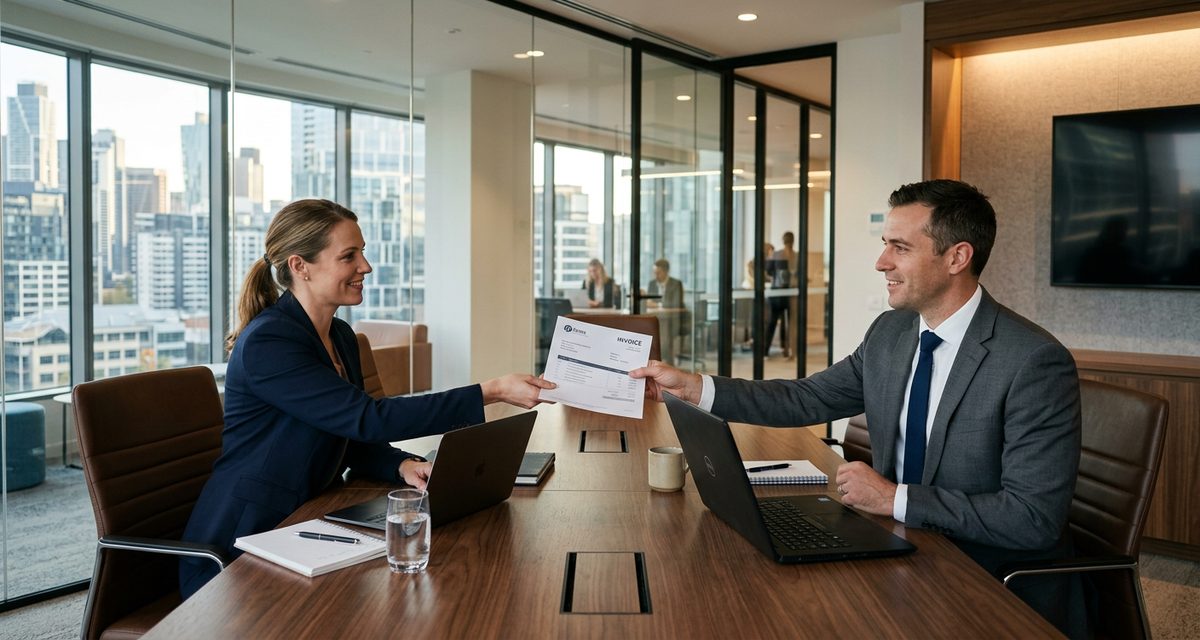
Self-billing is an arrangement where the buyer creates the invoice on behalf of the supplier, rather than the supplier issuing the invoice. The buyer calculates what they owe, creates the self-billing invoice, sends a copy to the supplier, and makes payment.
Self-billing is an arrangement where the buyer creates the invoice on behalf of the supplier, rather than the supplier issuing the invoice. The buyer calculates what they owe, creates the self-billing invoice, sends a copy to the supplier, and makes payment.
This reversal of the normal invoicing process is common in industries where:
- Transaction volumes are high (e.g., supermarkets paying thousands of suppliers)
- The buyer has better data to calculate the correct amount (e.g., royalties based on sales data)
- The supplier provides commodities where quantity varies (e.g., agriculture, raw materials)
- Commission-based arrangements (e.g., affiliate marketing, sales agents)
When Self-Billing Is Used
Publishing royalties — the publisher knows how many copies sold Affiliate commissions — the platform knows conversion data
- Publishing royalties — the publisher knows how many copies sold
- Affiliate commissions — the platform knows conversion data
- Construction subcontracting — the main contractor verifies work completed
- Agriculture and commodities — the buyer weighs and grades the goods
- Franchises — the franchisor calculates fees based on reported revenue
Legal Requirements for Self-Billing
UK (HMRC Rules)
HMRC allows self-billing for VAT-registered businesses if:
- Both parties agree in writing to a self-billing arrangement
- The agreement is reviewed every 12 months
- The supplier does NOT issue their own invoices for self-billed transactions
- The self-billing invoice clearly states "Self-Billing Invoice"
- The supplier's VAT number appears on the self-billing invoice
EU (VAT Directive Article 224)
The EU VAT Directive permits self-billing under similar conditions to the UK. Each member state may have additional requirements. The self-billing invoice must meet all standard VAT invoice requirements.
India
Self-billing is less common under GST. The standard model requires the supplier to issue the invoice. However, in specific cases (like reverse charge mechanism), the buyer may need to issue a self-invoicing document.
Self-Billing Invoice Requirements
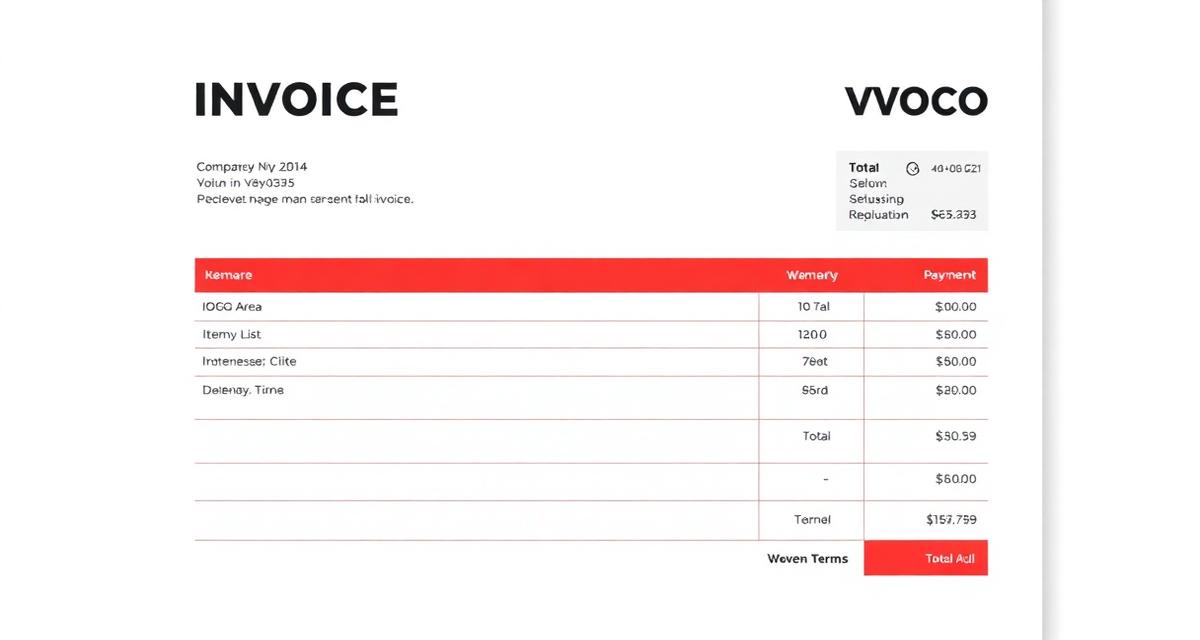
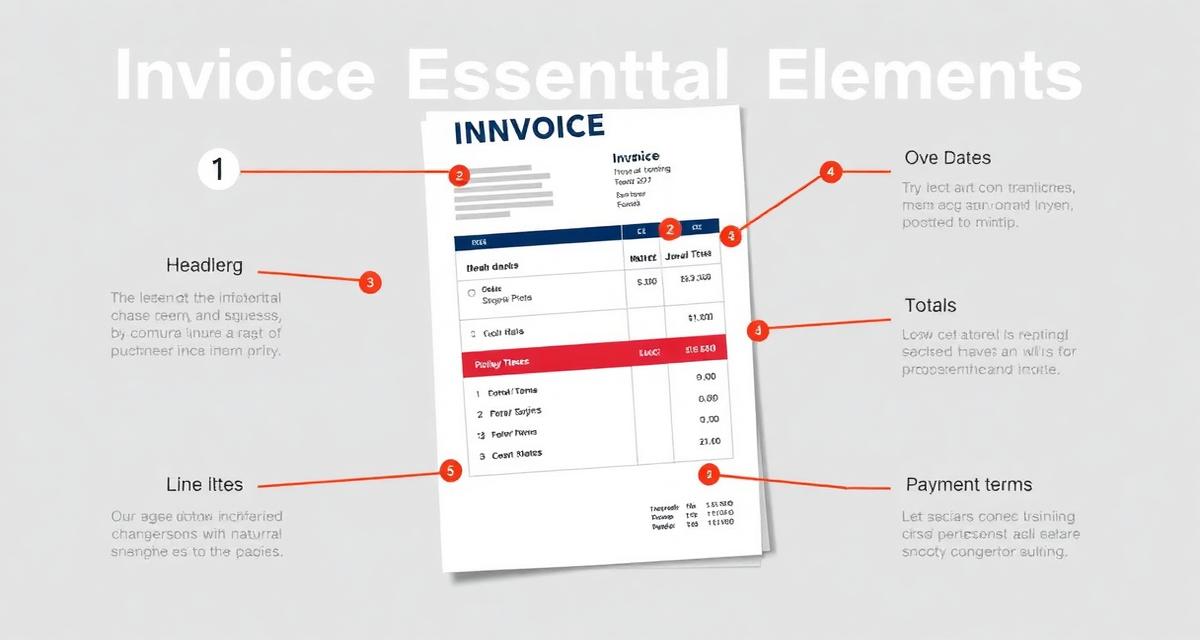
Self-Billing Invoice Requirements includes: "Self-Billing Invoice" label — prominently displayed Both parties' details — name, address, and tax registration numbers
- "Self-Billing Invoice" label — prominently displayed
- Both parties' details — name, address, and tax registration numbers
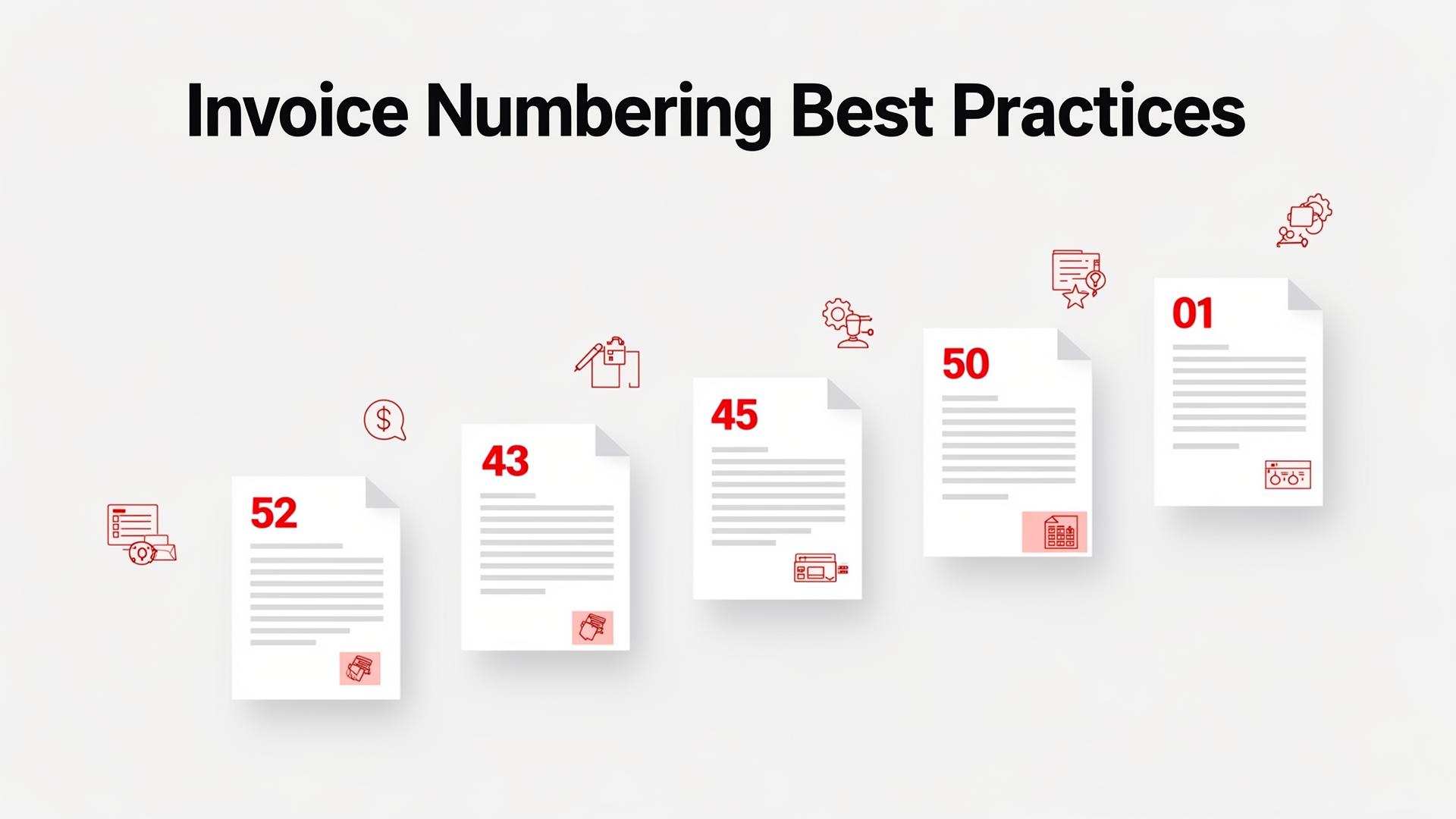
- Sequential numbering — the buyer maintains the invoice number series
- Full VAT/tax details — rate, amount, and the supplier's VAT number
- Description of supply — what goods/services are being paid for
- Quantity and value — showing how the amount was calculated
- Self-billing agreement reference — reference to the signed arrangement
Setting Up a Self-Billing Arrangement
Setting Up a Self-Billing Arrangement includes: Draft a self-billing agreement — covering the terms, duration, and obligations of both parties Both parties sign — the agreement must be in writing
- Draft a self-billing agreement — covering the terms, duration, and obligations of both parties
- Both parties sign — the agreement must be in writing
- Supplier stops issuing invoices — for transactions covered by the self-billing arrangement
- Buyer issues self-billing invoices — with copies sent to the supplier
- Both parties keep records — for VAT/tax audit purposes
- Review annually — verify the supplier is still VAT-registered and the arrangement is working correctly
FAQ
Can I refuse a self-billing arrangement?
Yes. Self-billing requires the supplier's agreement.
Yes. Self-billing requires the supplier's agreement. You can refuse and insist on issuing your own invoices. However, in some industries (particularly retail and agriculture), self-billing is standard and refusing may cost you the client relationship.
How does self-billing affect my accounting?
From the supplier's perspective, you receive a self-billing invoice instead of creating one yourself. Record it as sales revenue just as you would a regular invoice you issued.
From the supplier's perspective, you receive a self-billing invoice instead of creating one yourself. Record it as sales revenue just as you would a regular invoice you issued. The key difference is that you don't control the invoice number series — use the buyer's reference numbers in your accounting records.
More in this series (33 articles)
From this series
Master the art of professional invoicing to get paid faster and look more professional.
Related Topics
Digital Marketing, SEO Specialist, Content Creator & Product Professional
Olayinka is a digital marketer, content creator, growth and SEO specialist with 10+ years helping businesses in Nigeria, the UK, the US, Australia, and Dubai achieve their goals online.