Interim Invoices: When and How to Bill Before Project Completion
Invoicing Mastery Series
This guide is part of a comprehensive series. Explore all 33 topics:
Learn when to use interim invoices, how they differ from progress billing, and best practices for keeping cash flow healthy on long projects. This guide gives the answer first, then covers required invoice fields, workflow choices, compliance checks, common mistakes, and practical next steps so readers can act without comparing multiple sources.
What Is an Interim Invoice?
An interim invoice is issued during a project — before the final deliverable — to bill for work completed to date. Unlike progress billing (which follows a predefined schedule), interim invoices are more flexible and can be issued as needed to maintain cash flow.
An interim invoice is issued during a project — before the final deliverable — to bill for work completed to date. Unlike progress billing (which follows a predefined schedule), interim invoices are more flexible and can be issued as needed to maintain cash flow.
Think of it this way: progress billing is planned from the start; interim invoicing is responsive to the actual pace of work.
When to Use Interim Invoices
Projects without clear milestones — ongoing advisory, research, or exploratory work Monthly billing on long projects — when you need to invoice monthly regardless of milestones
- Projects without clear milestones — ongoing advisory, research, or exploratory work
- Monthly billing on long projects — when you need to invoice monthly regardless of milestones
- Cost-plus contracts — billing actual costs incurred plus a margin
- Legal and professional services — billing for time spent each month
- Cash flow management — when you can't afford to wait for project completion
Interim Invoice vs Other Invoice Types
Interim Invoice vs Other Invoice Types — Interim Invoice: During project, as needed — Work done to date.
| Type | When Issued | Based On |
|---|---|---|
| Interim Invoice | During project, as needed | Work done to date |
| Progress Invoice | At predefined milestones | Milestone completion |
| Deposit Invoice | Before work begins | Agreed upfront amount |
| Retainer Invoice | Monthly (recurring) | Fixed retainer fee |
| Final Invoice | Project completion | Remaining balance |
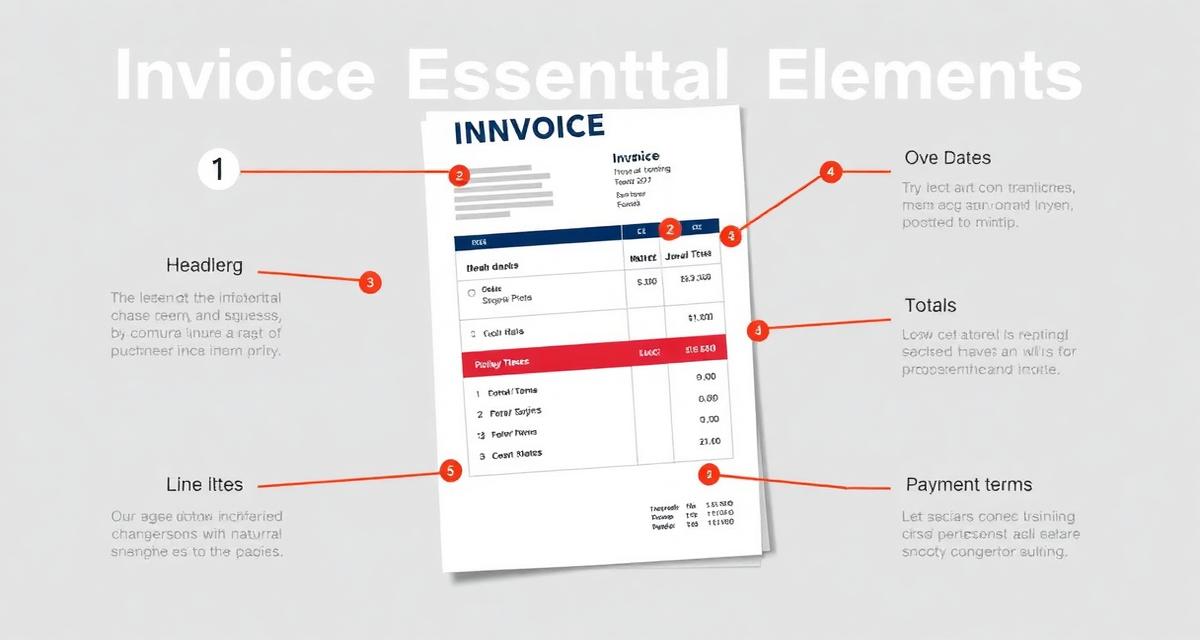
Essential Elements of an Interim Invoice
Essential Elements of an Interim Invoice includes: "Interim Invoice" label — clearly distinguish from the final invoice Billing period — "For work performed: March 1-31, 2026"
- "Interim Invoice" label — clearly distinguish from the final invoice
- Billing period — "For work performed: March 1-31, 2026"
- Detailed work description — specific tasks or hours worked during the period
- Cumulative billing summary — total billed to date, including this invoice
- Estimated remaining value — gives the client visibility into total project cost
- Invoice sequence — "Interim Invoice 3 of estimated 6"
- Standard elements — invoice number, date, tax, payment terms
Best Practices
Best Practices includes: Set expectations upfront — agree to interim billing in the contract before starting work Invoice at regular intervals — monthly is standard for professional services
- Set expectations upfront — agree to interim billing in the contract before starting work
- Invoice at regular intervals — monthly is standard for professional services
- Include a running total — "Total billed to date: $15,000 of $25,000 estimated"
- Attach time logs or work reports — especially for T&M projects
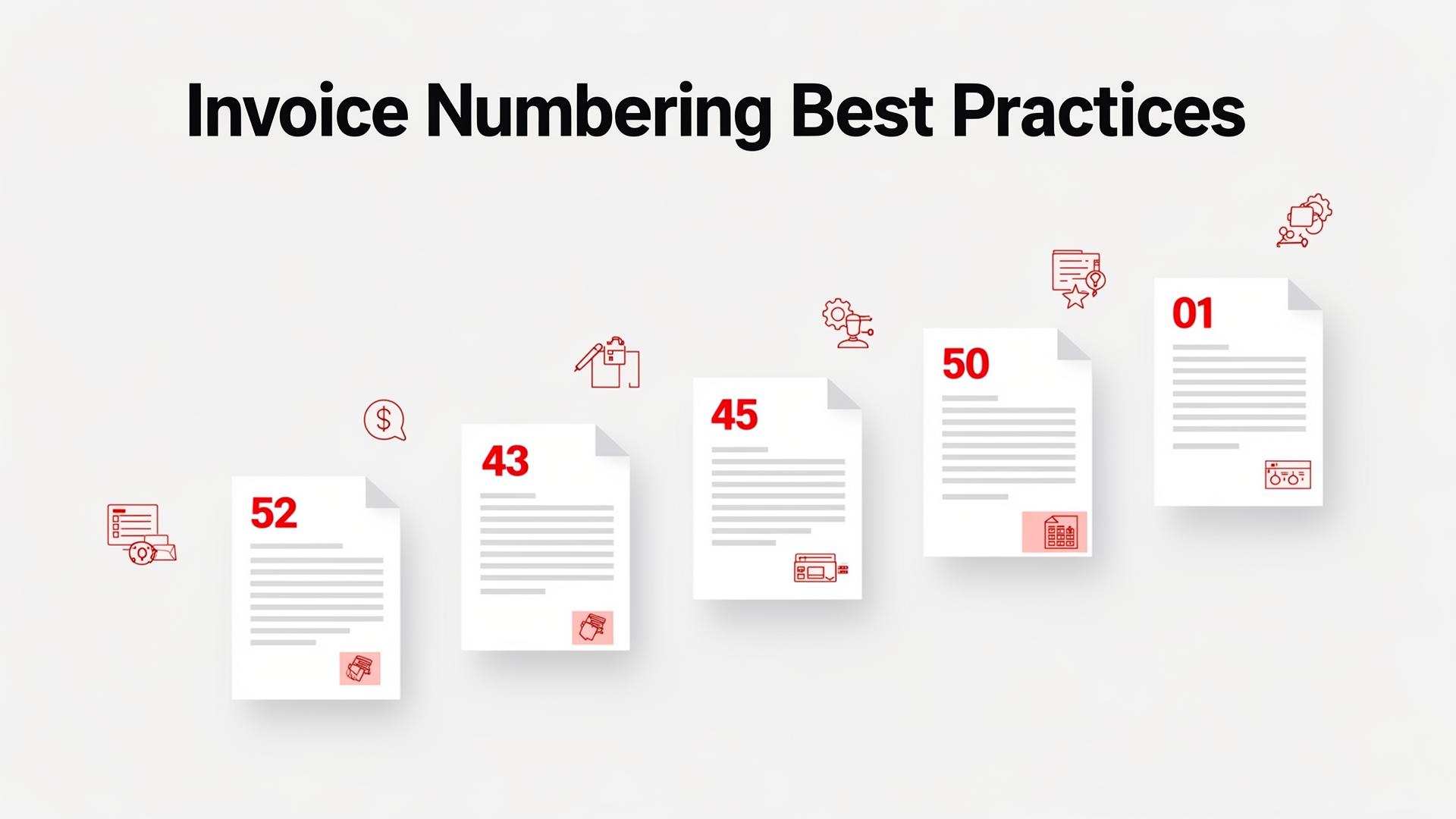
- Number sequentially — INT-001, INT-002, INT-003, then FINAL-001
Sample Interim Invoice Email
Subject: Interim Invoice #[NUMBER] — [Month] Billing Period
Subject: Interim Invoice #[NUMBER] — [Month] Billing Period
Hi [Client Name],
Please find attached Interim Invoice #[NUMBER] covering work performed from [Start Date] to [End Date] on [Project Name].
This invoice: [Currency] [Amount]
Total billed to date: [Currency] [Cumulative Amount]
Estimated remaining value: [Currency] [Remaining Amount]Payment is due within [X] days. [Payment Link]
Let me know if you'd like a detailed breakdown of hours or tasks for this period.
[Your Name]
Common Mistakes to Avoid
Common Mistakes to Avoid includes: Skipping the cumulative total — clients lose track of overall spend without a running summary Irregular timing — inconsistent invoicing intervals make cash flow unpredictable for both sides
- Skipping the cumulative total — clients lose track of overall spend without a running summary
- Irregular timing — inconsistent invoicing intervals make cash flow unpredictable for both sides
- No supporting detail — attach time logs or task lists so the client can verify the charge
- Confusing numbering — mixing interim and final invoice numbers in the same sequence causes reconciliation headaches
- Not flagging scope changes — silently absorbing extra work erodes your margin; document change orders instead
FAQ
Can I mix interim and milestone invoicing?
Yes. Some projects use milestone billing for major deliverables but interim billing for ongoing support or maintenance phases.
Yes. Some projects use milestone billing for major deliverables but interim billing for ongoing support or maintenance phases. Define the billing structure clearly in your contract to avoid disputes.
What if the project scope increases?
Document the scope change as a formal change order, adjust the total estimated value, and reference the change order on subsequent interim invoices. The cumulative billing summary should reflect the updated total.
Document the scope change as a formal change order, adjust the total estimated value, and reference the change order on subsequent interim invoices. The cumulative billing summary should reflect the updated total.
More in this series (33 articles)
From this series
Master the art of professional invoicing to get paid faster and look more professional.
Related Topics
Digital Marketing, SEO Specialist, Content Creator & Product Professional
Olayinka is a digital marketer, content creator, growth and SEO specialist with 10+ years helping businesses in Nigeria, the UK, the US, Australia, and Dubai achieve their goals online.