Retainer Invoice Template: How to Bill Retainer Clients Properly
Invoicing Mastery Series
This guide is part of a comprehensive series. Explore all 33 topics:
Learn how to create professional retainer invoices — from structuring retainer agreements to billing unused hours and reconciling monthly. This guide gives the answer first, then covers required invoice fields, workflow choices, compliance checks, common mistakes, and practical next steps so readers can act without comparing multiple sources.
What Is a Retainer Invoice?
A retainer invoice bills a client for a pre-agreed amount of work or availability over a set period — typically monthly. Unlike project-based billing, retainer invoicing provides predictable recurring revenue for the service provider and guaranteed availability for the client.
A retainer invoice bills a client for a pre-agreed amount of work or availability over a set period — typically monthly. Unlike project-based billing, retainer invoicing provides predictable recurring revenue for the service provider and guaranteed availability for the client.
Retainers are common for consultants, marketing agencies, lawyers, accountants, and IT support providers. Marketing, SEO, and creative shops billing several retainers a month should look at dedicated billing software for agencies. The key challenge is invoicing correctly — tracking hours against the retainer, handling overages, and dealing with unused hours.
Types of Retainer Arrangements
Fixed Fee Retainer
The client pays a set amount each month for a defined scope of work. Example: $3,000/month for social media management including 12 posts, 3 reports, and 1 strategy call. The invoice is the same every month, making it simple to manage.
Hourly Retainer
The client pre-purchases a block of hours (e.g., 20 hours/month at $150/hour = $3,000). Hours are tracked and reported monthly. Unused hours may roll over (if agreed) or expire. Overages are billed at the standard rate or a premium rate.
Access/Availability Retainer
The client pays for priority access and guaranteed response times, regardless of actual work performed. Common in legal and IT support. The retainer fee covers availability; actual project work is billed separately.
Essential Elements of a Retainer Invoice
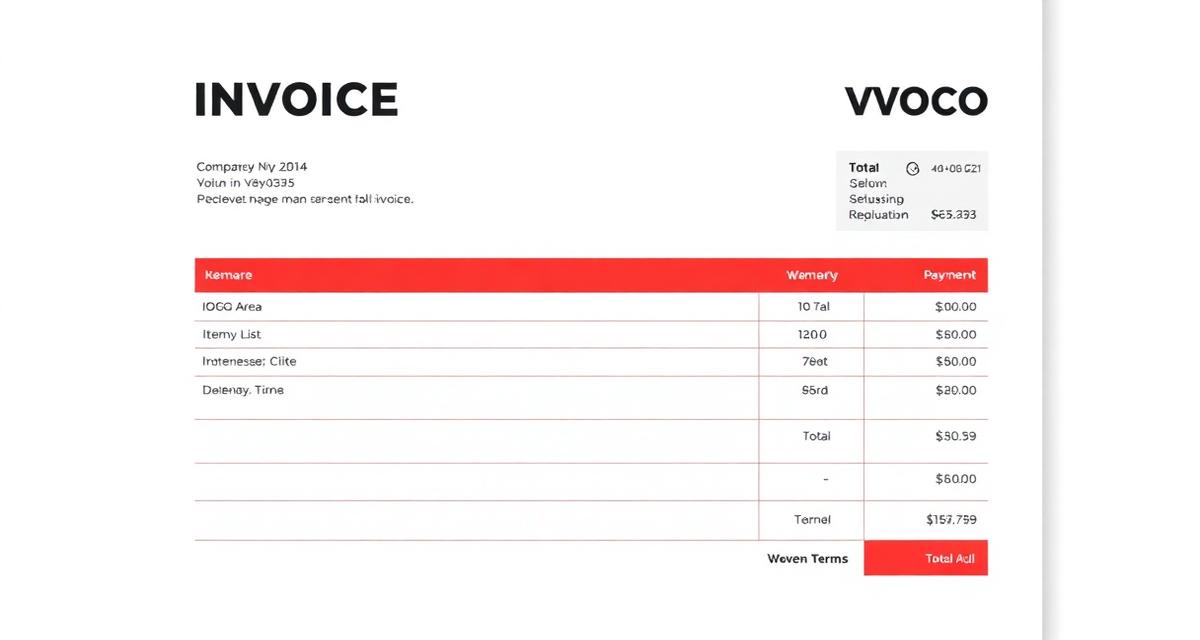
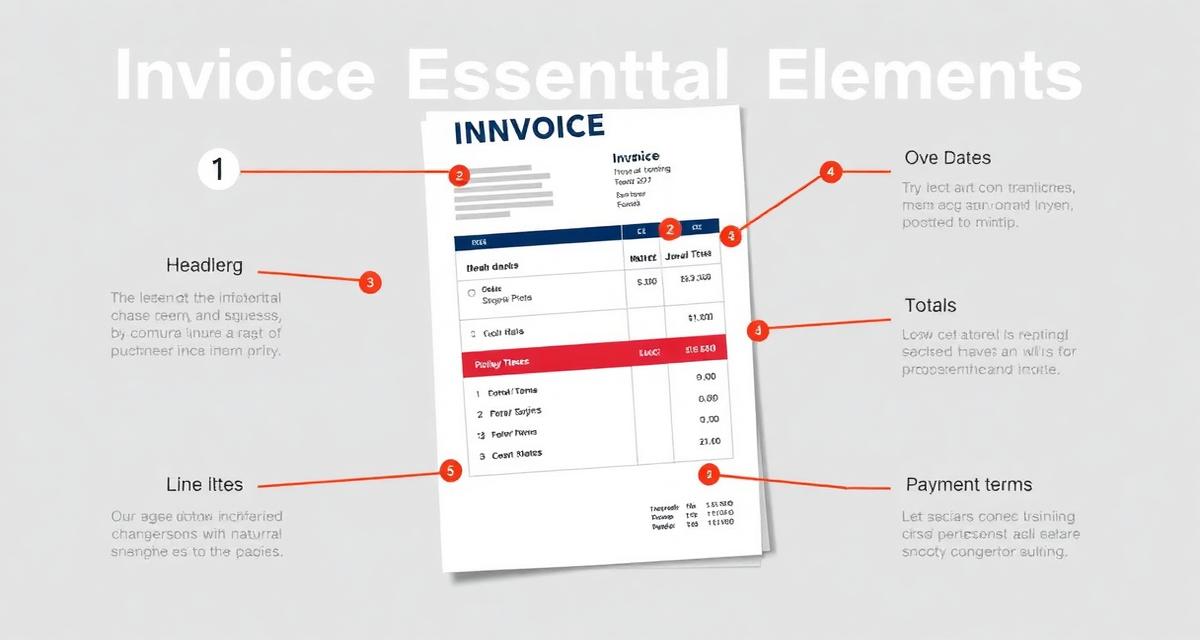
Essential Elements of a Retainer Invoice includes: Retainer period — clearly state the billing period (e. g.
- Retainer period — clearly state the billing period (e.g., "March 2026 Retainer")
- Retainer agreement reference — reference the signed retainer agreement number/date
- Fixed fee or hour allocation — the agreed retainer amount and what it covers
- Hours used (if hourly retainer) — summary of hours logged with brief descriptions
- Rollover balance (if applicable) — unused hours from the previous period
- Overage charges (if applicable) — additional work beyond the retainer scope
- Payment terms — typically due in advance (beginning of the retainer period) or Net 15
How to Structure a Retainer Invoice in Invoicemonk
Use Invoicemonk's recurring invoice feature to automate retainer billing:
Use Invoicemonk's recurring invoice feature to automate retainer billing:
- Create a recurring invoice template with the retainer fee as a line item
- Set the frequency to monthly with auto-send enabled
- Add a second line item for overages (if needed) each month
- Include a summary note with hours tracked vs. hours included
Handling Common Retainer Billing Scenarios
Unused Hours
Your retainer agreement should specify one of three approaches: hours expire at month-end, hours roll over for one period, or hours roll over indefinitely. Most consultants use "roll over for one period" — it's fair to both parties.
Scope Creep
When the client requests work outside the retainer scope, document it immediately and invoice it as a separate line item. Reference the original scope definition from your agreement.
Retainer Pauses
If the client wants to pause the retainer, your agreement should specify notice periods (typically 30 days) and whether any credit applies. Invoice for the full period unless your agreement says otherwise.
FAQ
Should retainer invoices be paid in advance or arrears?
Best practice is payment in advance — the retainer is due at the beginning of the billing period. This protects your cash flow and ensures you're not working on credit.
Best practice is payment in advance — the retainer is due at the beginning of the billing period. This protects your cash flow and ensures you're not working on credit. Include this requirement in your retainer agreement and payment terms.
How do I handle tax on retainer invoices?
Retainer fees are subject to the same tax treatment as regular service fees — charge VAT/GST if applicable. The tax is calculated on the total retainer amount plus any overages.
Retainer fees are subject to the same tax treatment as regular service fees — charge VAT/GST if applicable. The tax is calculated on the total retainer amount plus any overages. See our country-specific guides for India GST, UK VAT, or Nigeria VAT.
More in this series (33 articles)
From this series
Master the art of professional invoicing to get paid faster and look more professional.
Related Topics
Digital Marketing, SEO Specialist, Content Creator & Product Professional
Olayinka is a digital marketer, content creator, growth and SEO specialist with 10+ years helping businesses in Nigeria, the UK, the US, Australia, and Dubai achieve their goals online.