How to Write a Final Invoice: Close Projects Cleanly and Get Paid
Invoicing Mastery Series
This guide is part of a comprehensive series. Explore all 33 topics:
The final invoice wraps up a project — here's how to structure it, reconcile deposits and progress payments, and ensure clean project closure. This guide gives the answer first, then covers required invoice fields, workflow choices, compliance checks, common mistakes, and practical next steps so readers can act without comparing multiple sources.
Why the Final Invoice Matters
The final invoice is the last financial document in a project engagement. It reconciles all prior payments — deposits, progress payments, interim invoices — and bills the remaining balance.
The final invoice is the last financial document in a project engagement. It reconciles all prior payments — deposits, progress payments, interim invoices — and bills the remaining balance. Getting it right ensures you're fully paid and the project closes cleanly for both parties.
A well-structured final invoice also serves as a project summary, making it easy for the client's accounts team to verify the total spend and close their purchase order.
Essential Elements of a Final Invoice
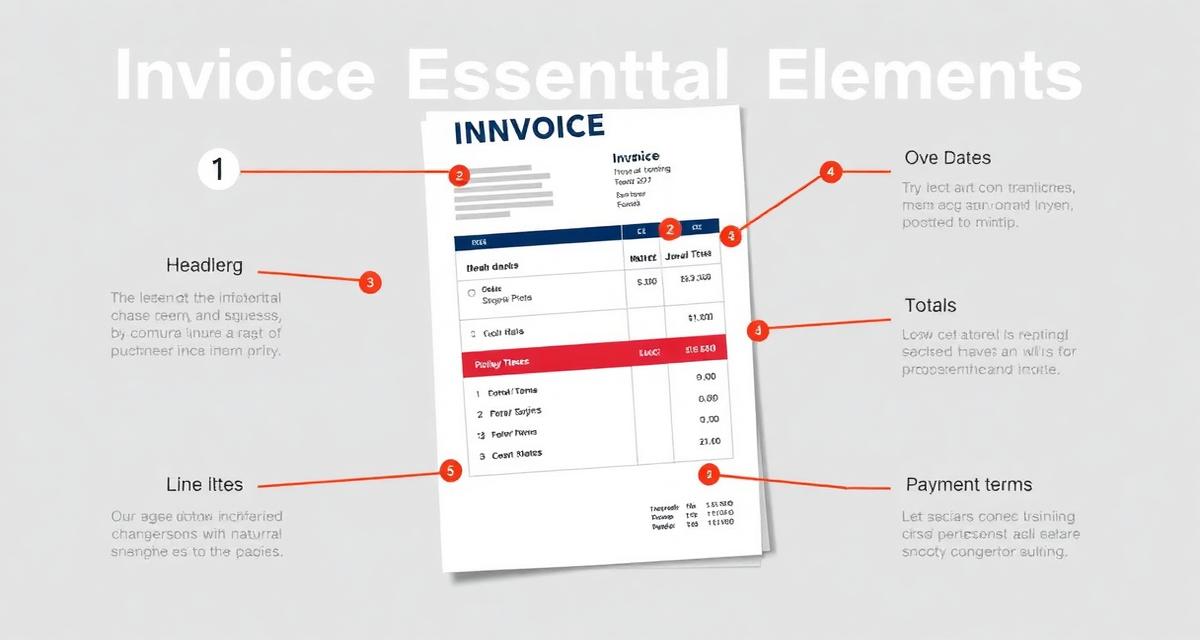
Essential Elements of a Final Invoice includes: "Final Invoice" label — clearly identify this as the closing invoice Project summary — brief description of the completed project
- "Final Invoice" label — clearly identify this as the closing invoice
- Project summary — brief description of the completed project
- Total contract value — the agreed project price (including any change orders)
- Payments received — list all prior invoices with amounts and dates paid
- Adjustments — any credit notes, discounts, or retentions released
- Balance due — the final amount owed
- Deliverables confirmed — note that all project deliverables have been provided
- IP transfer clause — if intellectual property transfers upon final payment
- Warranty/support period — if a post-project support period begins after payment
Final Invoice Reconciliation Template
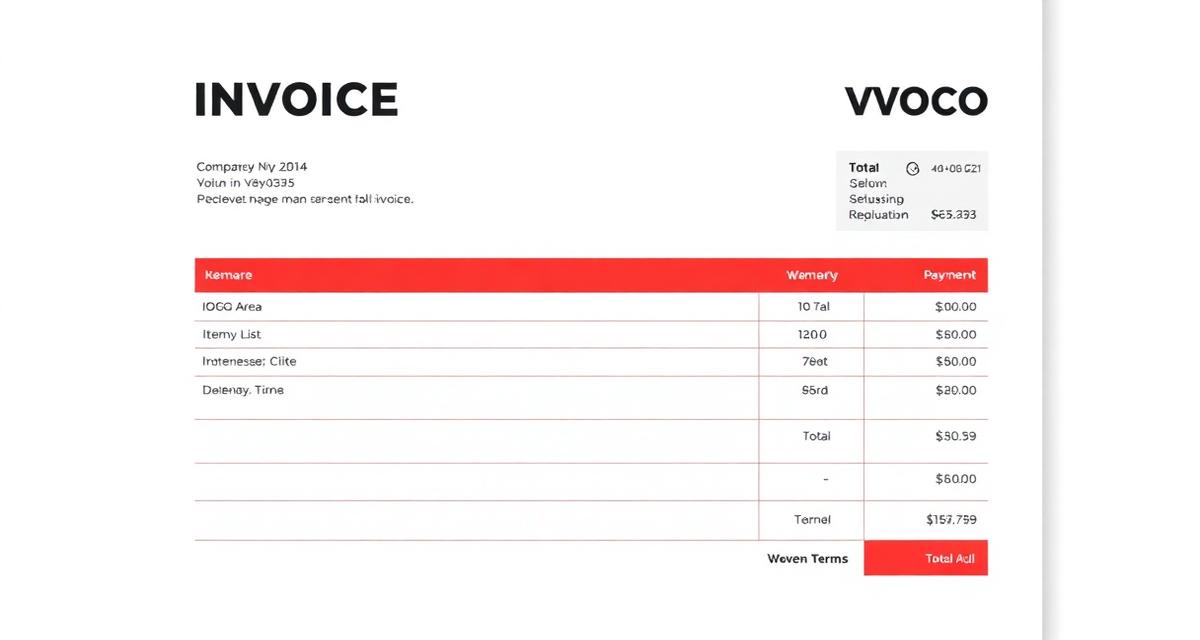
FINAL INVOICE — Project: Website Redesign
FINAL INVOICE — Project: Website Redesign
Original Contract Value: $20,000
Change Order #1 (additional features): +$3,000
Revised Contract Value: $23,000Payments Received:
- Deposit Invoice #DEP-001 (Jan 15, 2026): $5,000
- Progress Invoice #PROG-001 (Feb 15, 2026): $4,600
- Progress Invoice #PROG-002 (Mar 15, 2026): $6,900
Total Previously Paid: $16,500Retention Released (5%): $1,150
Balance Due: $7,650Tax (7.5%): $573.75
Total Final Payment: $8,223.75
Best Practices for Project Closure
1. Get Sign-Off Before Invoicing
Before sending the final invoice, obtain written confirmation that all deliverables have been received and accepted. This prevents post-invoice disputes. An email saying "Confirmed — all deliverables received and approved" is sufficient.
2. Reference All Prior Invoices
List every prior invoice (number, date, amount) on the final invoice. This makes reconciliation easy for the client's accounts team and prevents "but we already paid for that" confusion.
3. Release Retentions
If a retention was held from prior progress payments, the final invoice should include its release as a credit or adjustment.
4. Include Close-Out Documentation
Attach or reference: final deliverables list, client acceptance sign-off, warranty terms, and support contact information. This creates a complete project close-out package.
5. Set Clear Payment Terms
Final invoices should have tighter payment terms — Net 7 or Net 15 — since the work is fully delivered and the client has no remaining leverage. Reference your payment terms guide for more on setting terms.
Final Invoice vs Other Invoice Types
A final invoice is the closing document that reconciles every prior invoice on a project — here is how it compares to the other invoice types used earlier in the engagement.
| Type | When Issued | Based On |
|---|---|---|
| Deposit Invoice | Before work begins | Agreed upfront amount |
| Progress Invoice | At predefined milestones | Milestone completion |
| Interim Invoice | During project, as needed | Work done to date |
| Final Invoice | Project completion | Remaining balance after all prior payments |
Common Mistakes When Sending Final Invoices
Common Mistakes When Sending Final Invoices includes: Forgetting to reconcile prior payments — always list every deposit, progress, and interim invoice paid so far Not releasing retentions — clients may withhold a retention percentage; the final invoice should credit it back
- Forgetting to reconcile prior payments — always list every deposit, progress, and interim invoice paid so far
- Not releasing retentions — clients may withhold a retention percentage; the final invoice should credit it back
- Sending before sign-off — get written acceptance of deliverables first to avoid disputes over the balance
- Vague balance calculations — show the math: contract value, minus payments received, plus/minus adjustments, equals balance due
- Loose payment terms — final invoices should carry shorter terms (Net 7-15) since delivery is complete
- No close-out package — attach the deliverables list, acceptance confirmation, and any warranty details
Sample Final Invoice Email
Subject: Final Invoice #[NUMBER] — Project Complete
Subject: Final Invoice #[NUMBER] — Project Complete
Hi [Client Name],
Thank you for a great project! Attached is the final invoice (#[NUMBER]) reconciling all payments to date, with a remaining balance of [Currency] [Amount] due by [Date].
All deliverables have been provided as agreed. Please let me know if you have any questions before processing payment: [Payment Link]
Looking forward to working together again.
[Your Name]
FAQ
What if the client disputes the final invoice?
Address any concerns immediately. If the dispute is about scope, refer to the signed acceptance.
Address any concerns immediately. If the dispute is about scope, refer to the signed acceptance. If it's about pricing, refer to the original contract and change orders. For resolution strategies, see our dispute resolution guide.
Should I transfer IP before receiving final payment?
No. Best practice is to include a clause stating that intellectual property transfers only upon receipt of final payment.
No. Best practice is to include a clause stating that intellectual property transfers only upon receipt of final payment. This is your strongest leverage for ensuring the final invoice is paid promptly.
What happens if the project ends early or is cancelled?
Issue a final invoice for the work actually completed, referencing the termination clause in your contract.
Issue a final invoice for the work actually completed, referencing the termination clause in your contract. Deduct any deposits already paid and clearly state that this closes the engagement. If the contract includes a kill fee for early termination, add it as a separate line item.
More in this series (33 articles)
From this series
Master the art of professional invoicing to get paid faster and look more professional.
Related Topics
Digital Marketing, SEO Specialist, Content Creator & Product Professional
Olayinka is a digital marketer, content creator, growth and SEO specialist with 10+ years helping businesses in Nigeria, the UK, the US, Australia, and Dubai achieve their goals online.